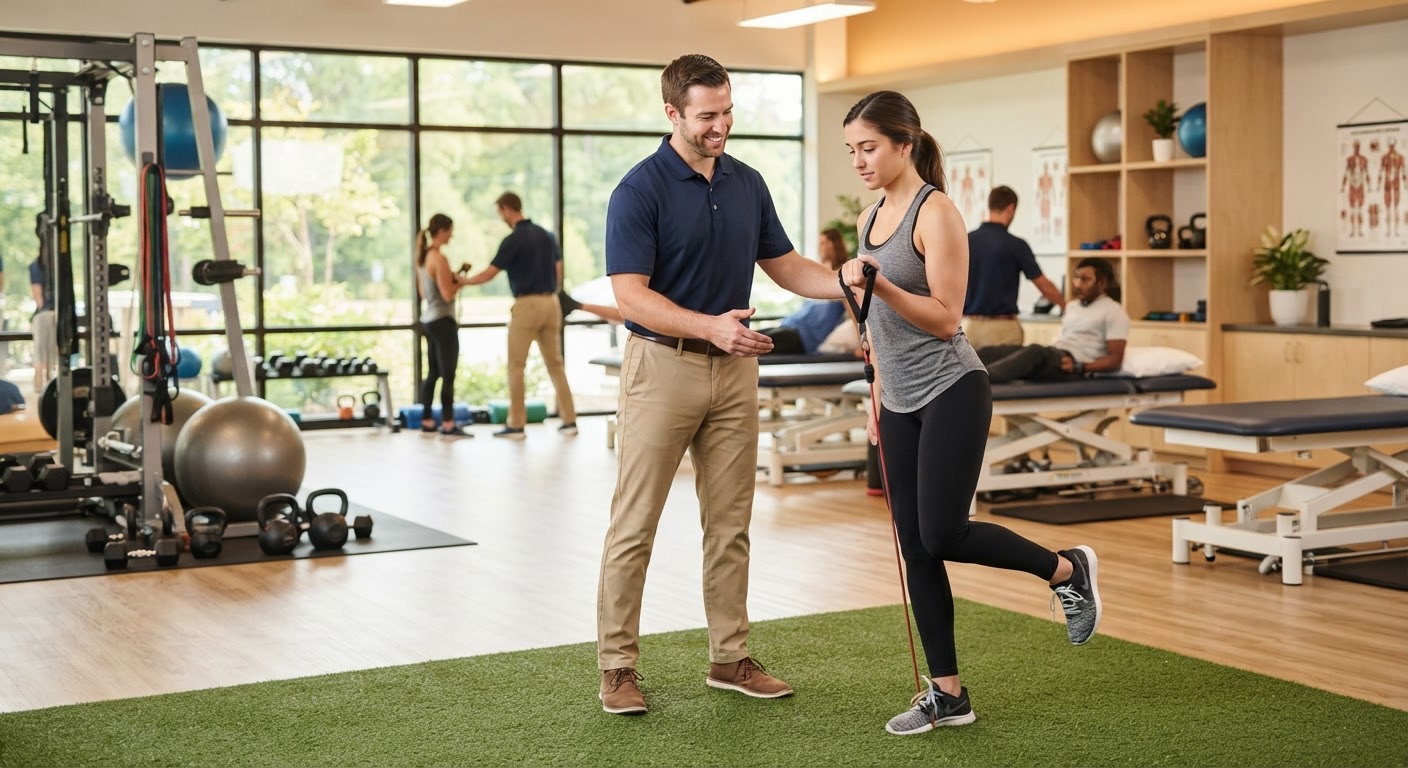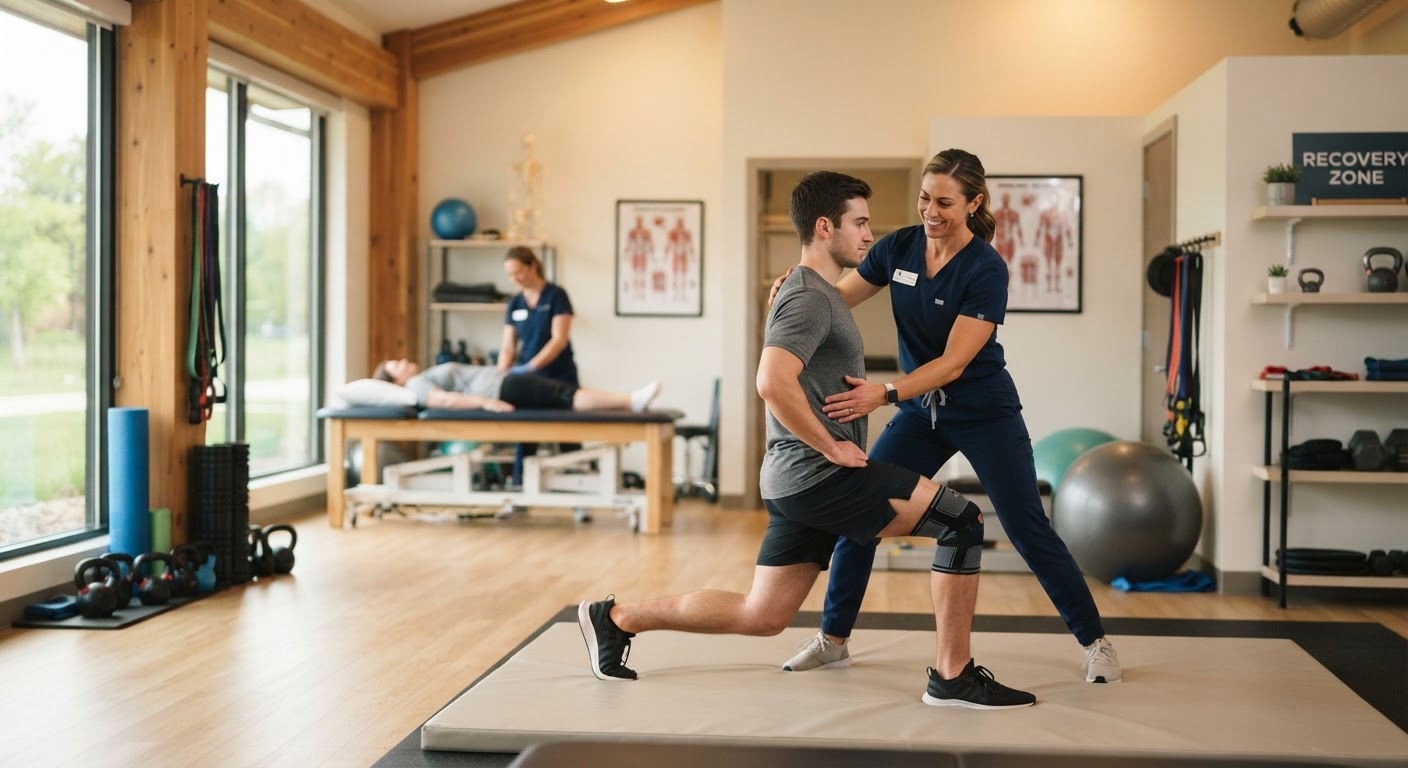
A sports injury can interrupt your routine, affect your performance, and leave you unsure about when it is safe to get moving again. Sports injury rehabilitation provides a structured way to address pain, restore movement, rebuild strength, and prepare your body for the demands of your sport. Knowing what to expect can make the process feel more manageable and help you take an active role in your recovery.
At Physical Therapy NOW™ in Sanford, FL, your rehabilitation plan is shaped around your injury, goals, daily activities, and sport. Your physical therapist will guide your progress and adjust your care as your abilities change. Recovery is individual, so your timeline and treatment may differ from another athlete’s, even if the injuries seem similar.
Your First Visit
Your first appointment typically begins with a conversation about how the injury happened, what symptoms you notice, and how it affects your activities. Your therapist may ask about your training schedule, previous injuries, health history, and goals, such as returning to running, court sports, or strength training.
Next, your therapist will assess relevant movement and physical abilities. This may include observing how you walk, squat, reach, or perform sport-related motions, as appropriate. They may also check range of motion, strength, balance, coordination, and areas of discomfort. The assessment helps identify factors that may be contributing to your symptoms and provides a starting point for tracking progress.
Share what you are experiencing as clearly as you can. Mention which movements aggravate symptoms, what helps, and whether pain changes during or after activity. Ask questions if an exercise or recommendation is unclear. This information helps your therapist make your rehabilitation more useful and comfortable.
A Plan Built Around Your Goals
After the assessment, your therapist will explain the findings and work with you to set practical goals. Early goals may include easing pain, improving comfortable movement, or managing swelling. Later goals may focus on strength, balance, coordination, endurance, and the specific skills needed for your sport.
Treatment may include guided exercises, mobility work, balance activities, and education about pacing or modifying activity. Your therapist may also use hands-on techniques when appropriate. These approaches are selected to support your needs; no single treatment is right for every injury. Your plan can change as you respond and build capacity.
Rehabilitation is an active process. You will usually have exercises to practice between appointments, and your therapist can show you how to do them safely. The goal is not simply to get through a session, but to develop the movement and strength needed for everyday life and sport.
How Progress Usually Builds
Rehabilitation often moves through overlapping stages rather than a fixed schedule. At first, you may need to reduce activities that trigger significant symptoms while keeping up with comfortable movement where appropriate. Your therapist can help you understand which activities to pause, modify, or continue.
As movement improves, exercise may gradually become more challenging. You might work on strength, control, balance, and endurance, then progress toward faster or more sport-specific movements. A runner, for example, may need a gradual return to impact, while an athlete who changes direction often may need to practice controlled cutting and deceleration.
Some soreness or fatigue can occur as your activity level changes, but sharp, worsening, or lingering symptoms deserve attention. Tell your therapist how you feel during and after exercise rather than trying to push through without guidance. Adjustments to the plan are a normal part of rehabilitation, not a setback.
Practical Tips Between Appointments
Follow the activity guidance your therapist gives you. Avoid returning to full training simply because pain has briefly eased, and do not assume that complete rest is always necessary. The right balance depends on your injury and symptoms.
Keep your home exercise routine manageable and consistent. Use the technique demonstrated during your appointment, and ask for clarification if you are unsure. If an exercise causes unexpected or increasing pain, stop and contact your therapist for advice.
Pay attention to sleep, hydration, and recovery time, which can support your ability to participate in rehabilitation. When you return to training, build duration and intensity gradually instead of increasing everything at once. Warm up before activity, use appropriate equipment, and leave time for recovery between demanding sessions.
Returning To Your Sport
Being ready to return involves more than feeling better at rest. Your therapist may consider your strength, mobility, balance, movement quality, confidence, and ability to perform sport-specific tasks. Depending on your injury and activity, you may work through drills that resemble the movements you need for practice or competition.
Return is often gradual. You may begin with modified practice, shorter sessions, or lower intensity before progressing toward your usual workload. Follow the recommendations from your healthcare team, and communicate with your coach about any restrictions. If symptoms return or increase as training progresses, share that information so your plan can be reviewed.
Support For Your Recovery In Sanford
Sports injury rehabilitation can help you move forward with a clearer plan, practical guidance, and care that adapts to your progress. Physical Therapy NOW™’s Sanford location works with you to address pain relief, rebuild function, and prepare for the activities that matter to you. If you are dealing with a sports injury or are unsure how to return to exercise safely, visit or call the Sanford location to ask about scheduling an evaluation and taking the next step toward recovery.
Ready to start feeling better?
Physical Therapy NOW™ has 40+ Florida locations with same-week appointments. Most insurance, auto accident (PIP), workers' compensation and Medicare accepted.