Sports Injury Rehabilitation: What to Expect
A sports injury can interrupt more than your workouts. Pain, reduced mobility, and uncertainty about when it is safe to return to activity can affect work, daily routines, and confidence. Sports injury rehabilitation gives you a structured way to address these concerns and rebuild your ability to move.
At Physical Therapy NOW™, rehabilitation begins with understanding your injury, your goals, and the activities you want to return to. Whether you are recovering from a sprain, muscle strain, overuse injury, or another sports-related problem, your plan should be tailored to your needs and adjusted as you progress. Here is what you can generally expect from the process.
Your First Visit And Assessment
Your first appointment typically includes a conversation about how the injury happened, what makes symptoms better or worse, and how the injury affects your daily life or sport. Your physical therapist may ask about your training schedule, previous injuries, work demands, and recovery goals.
Next, the therapist assesses areas such as movement, flexibility, strength, balance, and the way you perform relevant activities. The specific checks depend on your symptoms and the sport or activity you hope to resume. This evaluation helps identify factors that may be contributing to discomfort or limiting function.
Be ready to describe your symptoms honestly, including when they started and how they have changed. Wear comfortable clothing that allows the therapist to assess the affected area, and bring any relevant medical information or instructions from another healthcare provider. If you have questions or concerns, share them. Clear communication helps shape a plan that feels practical and appropriate.
Building A Personalized Rehabilitation Plan
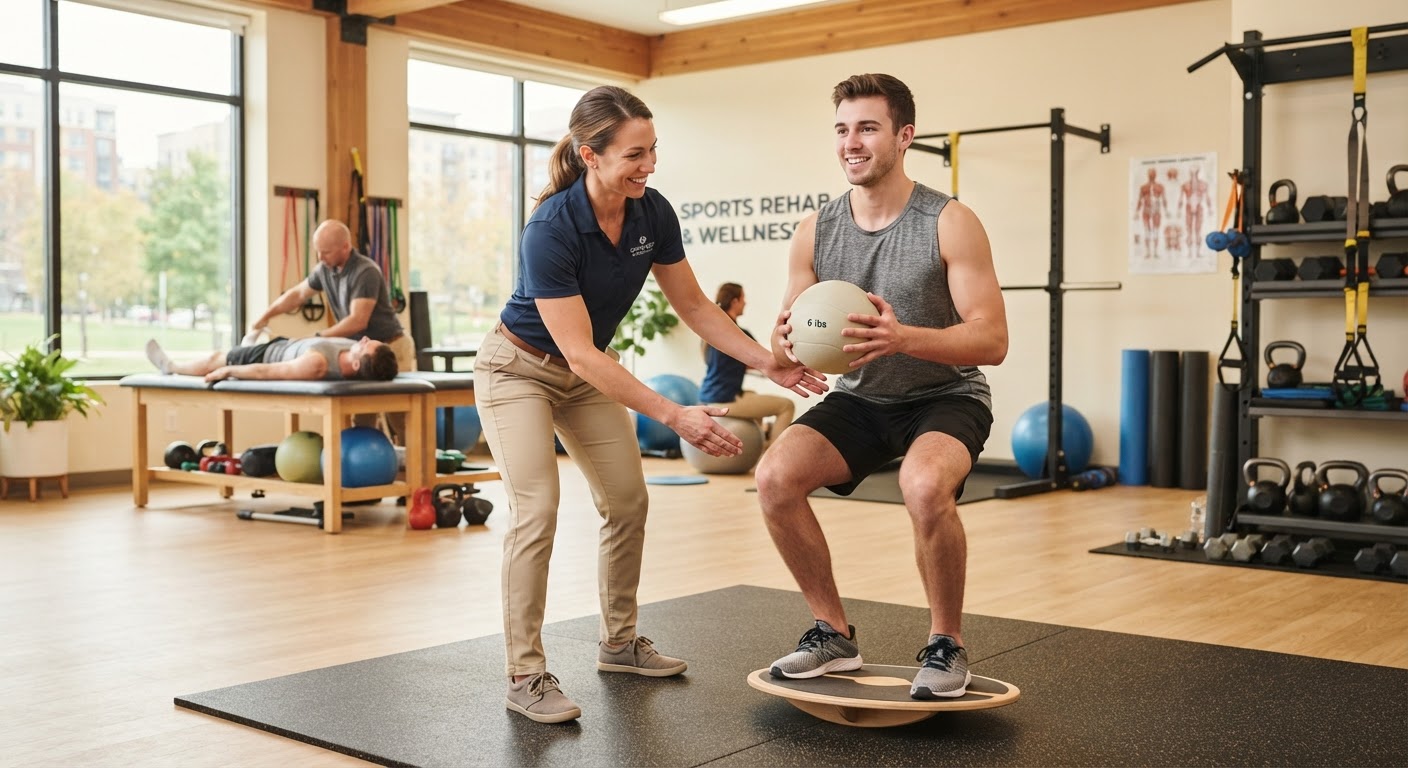
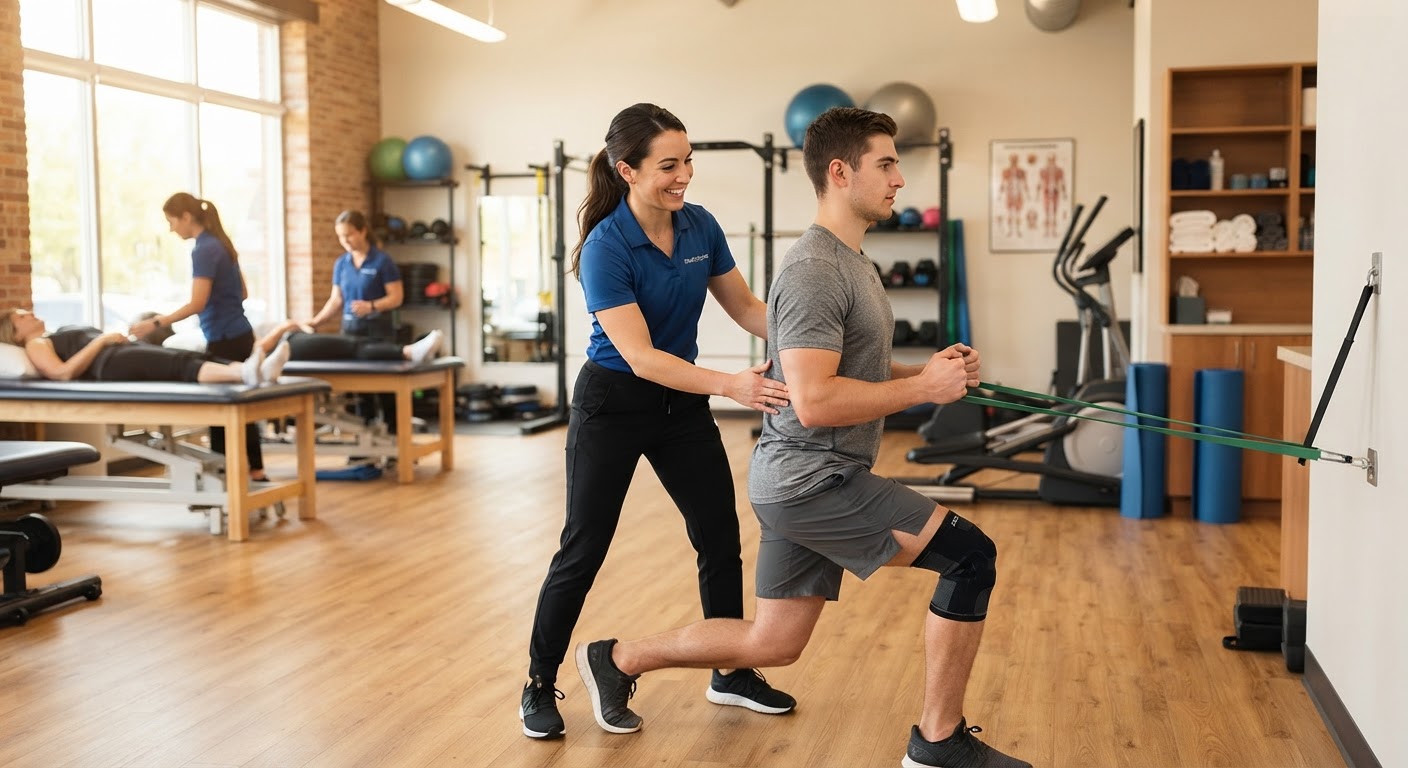
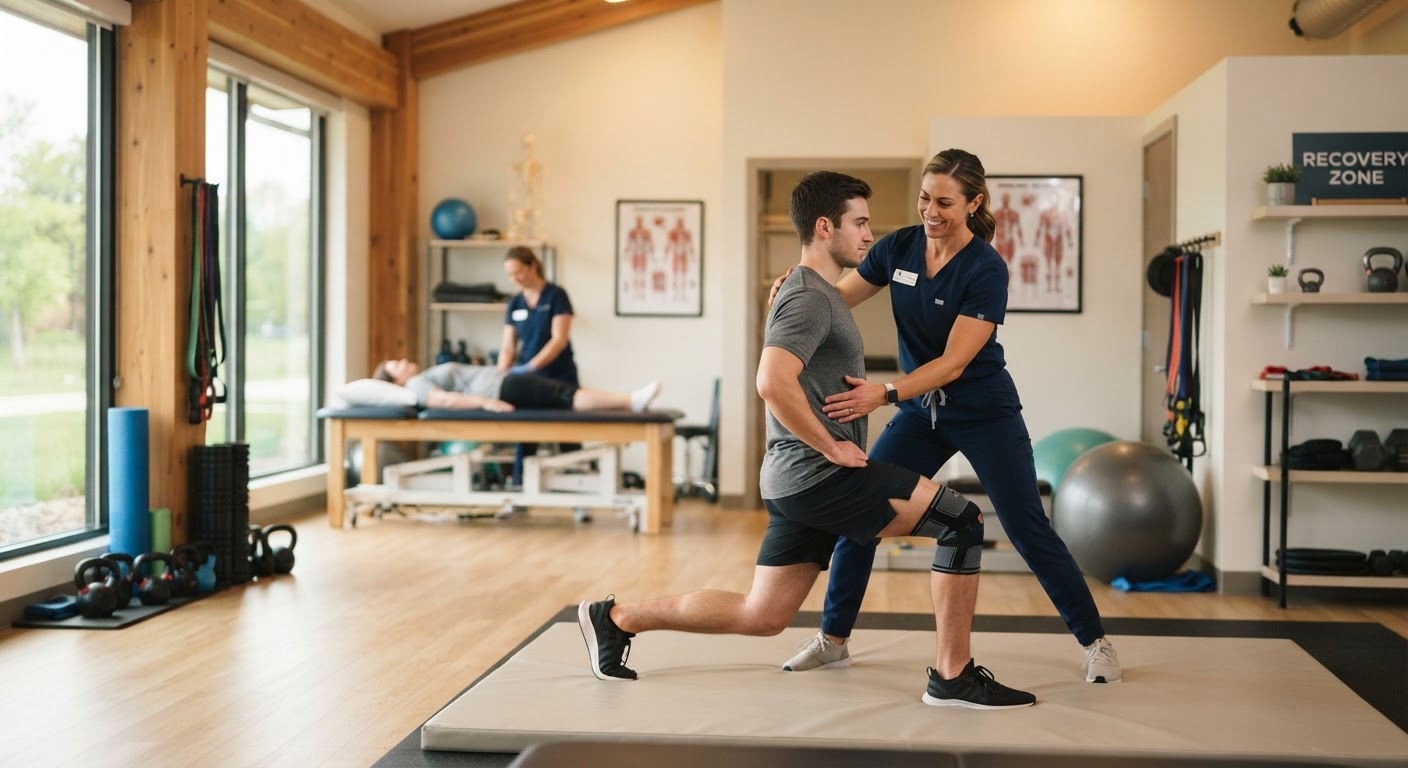
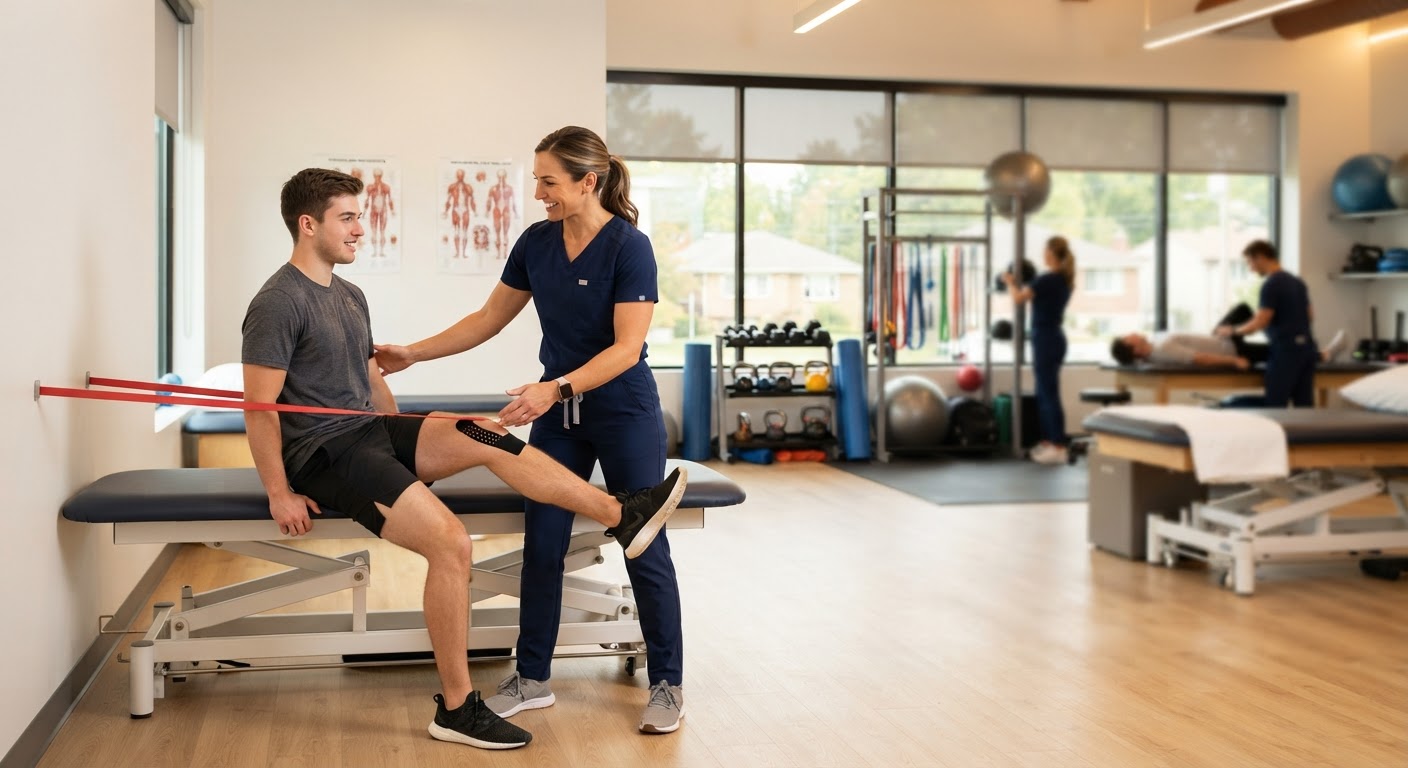
After the assessment, your physical therapist explains the findings and discusses next steps with you. Your rehabilitation plan may include therapeutic exercise, mobility work, balance or coordination training, and guidance on modifying activities while you recover. Depending on your needs, your therapist may also use hands-on techniques or other approaches as part of your care.
A good plan considers both your current abilities and your goals. Someone aiming to walk comfortably may need a different progression than an athlete preparing to sprint, change direction, or lift. Your therapist will help identify realistic milestones and adjust the plan based on your response, rather than relying on a one-size-fits-all routine.
Progress can vary from person to person and from injury to injury. Some sessions may focus on improving comfortable movement, while later sessions may place greater emphasis on strength, endurance, sport-specific skills, and confidence. Your therapist can explain why each activity is included and how it supports your goals.
Managing Pain And Activity
Pain relief is often an important part of care, but rehabilitation is not only about reducing symptoms. The broader aim is to improve how you move and help you participate in daily or athletic activities with greater confidence. Your therapist can work with you to understand how to adjust activity levels without unnecessarily stopping all movement or pushing through symptoms that need attention.
Follow the guidance you receive about exercises, rest, and activity modifications. A useful habit is to track how you feel during an activity and afterward. Note what you did, whether symptoms changed, and how long it took to feel back to your usual level. This information can help your therapist fine-tune your program.
Avoid adding extra exercises or suddenly increasing training intensity without discussing it with your care team. If an activity causes a sharp increase in pain, new swelling, or a noticeable change in function, stop and contact your physical therapist or healthcare provider for guidance. Seek urgent medical attention for severe symptoms or concerns that require immediate care.
Your Home Exercise Program
Exercises performed between appointments can be an important part of rehabilitation. Your physical therapist may give you a home program to support mobility, strength, balance, or other goals. Ask for a demonstration if an exercise feels unclear, and make sure you understand how often to do it and what sensations are expected.
Consistency matters, but so does using good technique. Choose a time you can realistically maintain, such as after work or following a warm-up approved by your therapist. If you miss a session, return to your schedule rather than trying to make up for it with a much larger workout. Tell your therapist if an exercise is difficult to fit into your routine or causes symptoms that concern you.
Returning To Sport Safely
Feeling better is encouraging, but it does not always mean you are ready for every sport-specific demand. A gradual return may involve progressing from basic movement to more challenging tasks, such as faster movement, repeated effort, jumping, or changes in direction. The exact sequence depends on your injury, sport, and clinical recommendations.
Work with your physical therapist to understand the milestones that matter for your return. These may include comfortable movement, improved strength and control, and the ability to perform relevant tasks with appropriate confidence. Do not use a single good day as the only measure of readiness. A gradual progression can help you notice how your body responds as activity increases.
Practical Ways To Support Recovery
Keep appointments and bring updates about your symptoms, home exercises, and activity level. Follow agreed-upon modifications to training, and ask before returning to high-intensity drills. Support your general well-being with adequate rest, hydration, and regular meals. These habits do not replace rehabilitation, but they can help you maintain a routine while you recover.
Most importantly, treat recovery as a process rather than a competition. Comparing your progress with another athlete may create unnecessary pressure because injuries and goals differ. Focus on the plan you develop with your physical therapist and speak up when something is not working.
Local Sports Injury Care In Allapattah
If a sports injury is limiting your activity, professional guidance can help you understand your options and take a more organized approach to recovery. Physical Therapy NOW™ provides physical therapy in Miami, Florida, with care focused on your movement needs and personal goals. The Allapattah location serves people looking for support with sports injury rehabilitation in the local community.
Every injury and recovery journey is different, so an evaluation is the best way to discuss your situation and determine appropriate next steps. Contact or visit the Physical Therapy NOW™ Allapattah location in Miami to ask about an appointment. Call the clinic today to take the first step toward pain relief, improved movement, and a thoughtful return to the activities you enjoy.
Ready to start feeling better?
Physical Therapy NOW™ has 40+ Florida locations with same-week appointments. Most insurance, auto accident (PIP), workers' compensation and Medicare accepted.