Sports Injury Rehabilitation: What to Expect
An injury can interrupt your training, competition, and everyday routine. Whether you have a sprain, muscle strain, tendon irritation, or another sports-related concern, the right rehabilitation plan can help you move toward recovery with greater confidence. Physical therapy focuses on understanding what is limiting your movement, addressing your needs, and building the strength and control needed for a safe return to activity.
At Physical Therapy NOW™ in Miramar, Florida, sports injury rehabilitation is tailored to the individual—not just the name of the injury. Knowing what to expect can make it easier to take an active role in your recovery.
Your First Visit And Evaluation
Your first appointment typically begins with a conversation about your injury and goals. Your physical therapist may ask when symptoms began, what movements make them better or worse, what activities you want to return to, and whether you have had similar problems before. Sharing details about your sport, work, and daily routine helps your therapist understand the demands you want to meet.
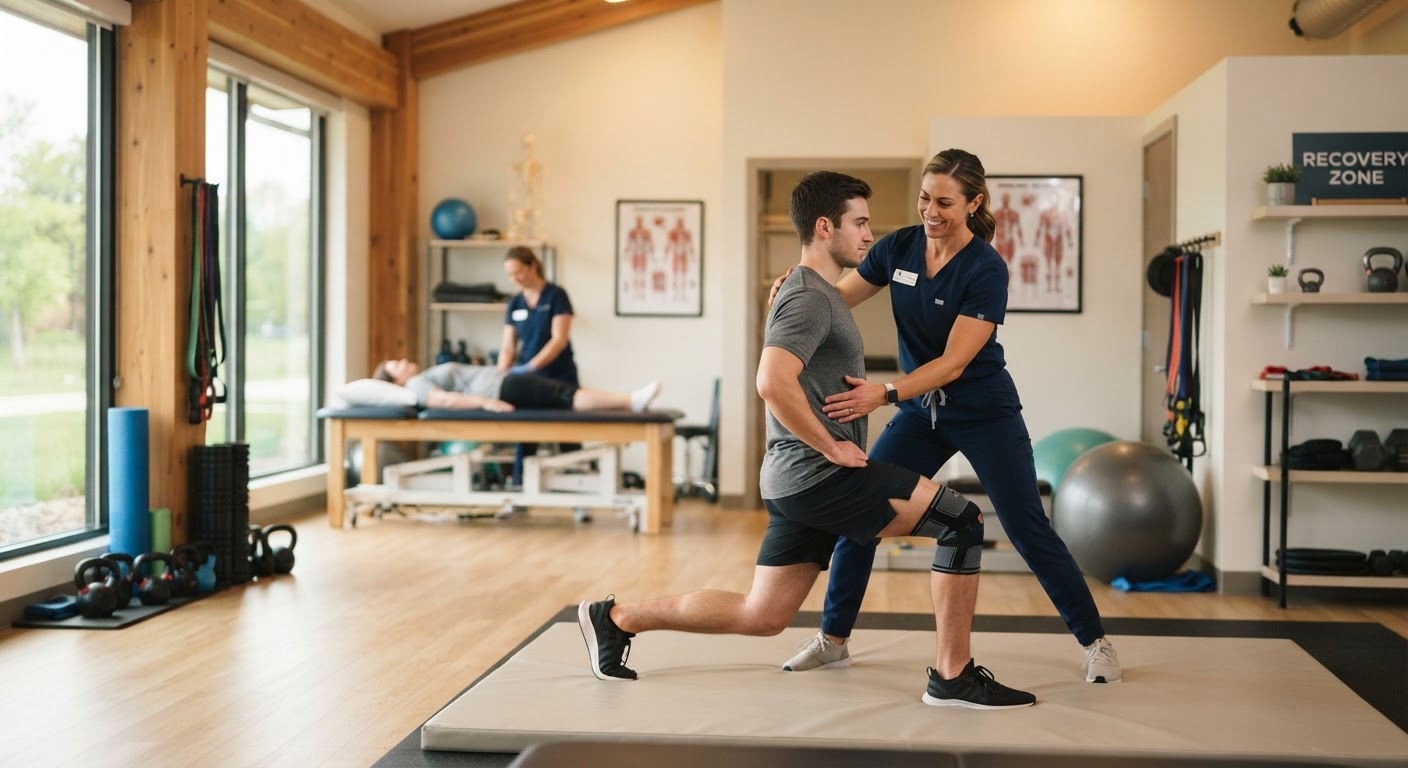
Next, your therapist may assess movement, flexibility, strength, balance, and functional tasks relevant to your symptoms. For example, an evaluation for a running injury may include observing walking or running mechanics, while a shoulder concern may involve testing arm movement and control. The assessment is adapted to your comfort and abilities. Tell your therapist if a test causes significant discomfort or if you have concerns.
Based on the findings, your therapist will explain the plan and discuss reasonable goals. These may include improving mobility, building strength, managing pain, and gradually returning to sport. Progress can vary, so your plan may be adjusted as your body responds.
What A Rehabilitation Plan May Include
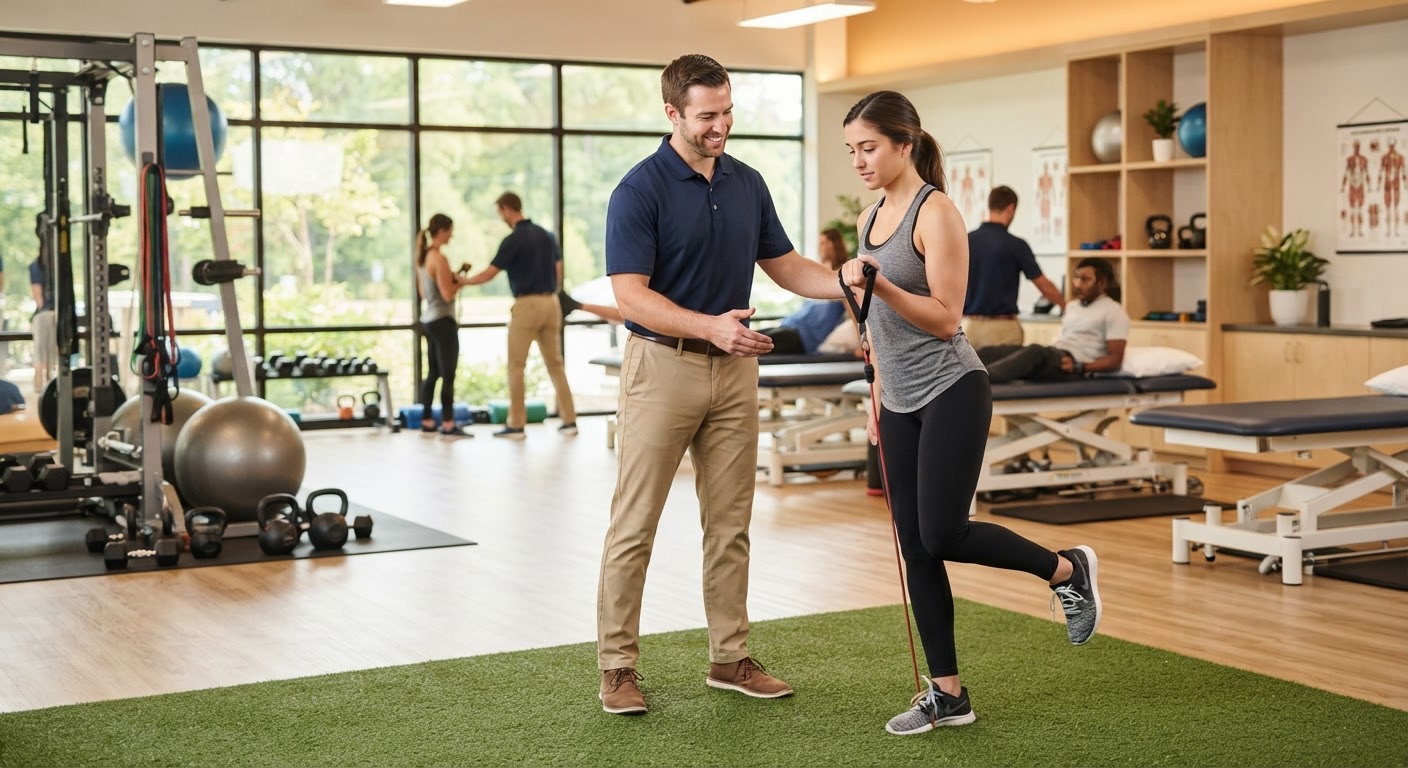
Sports injury rehabilitation often combines several approaches. Therapeutic exercises may address strength, flexibility, balance, coordination, or endurance. Your therapist may also use movement training to help you practice sport-specific skills, such as changing direction, jumping, throwing, or accelerating, when appropriate for your stage of recovery.
Hands-on techniques or other treatments may be considered as part of a broader plan. The focus is not simply on short-term pain relief. Rehabilitation also works on the movement patterns and physical capacity needed to participate in activities with better control. Your therapist can explain the purpose of each part of your program and how it relates to your goals.
Exercises are usually progressed over time. Early activities may be gentle and controlled; later stages may add resistance, speed, or more complex movements. This gradual approach helps you build capacity without rushing into demands your body is not ready to handle.
Your Role Between Appointments
What you do outside the clinic matters. Your therapist may provide a home exercise program, activity guidance, or strategies for managing symptoms. Follow the instructions you receive, and ask for clarification if an exercise feels confusing or difficult to perform safely. Consistency is generally more useful than doing too much at once.
A few practical habits can help you stay engaged in recovery:
Keep a simple record of your symptoms and activities. Note what you did, how your body felt during it, and how you felt afterward. This information can help guide conversations with your therapist.
Use symptoms as feedback. Mild, temporary effort or discomfort may occur with some exercises, but sharp, worsening, or unusual pain should be discussed with your therapist. Do not push through symptoms simply to meet a workout target.
Follow agreed activity limits. You may be able to stay active with modified training, but the right options depend on your injury and evaluation. Ask your therapist what you can safely continue and what should wait.
Make recovery part of your schedule. Set aside time for recommended exercises and recovery habits. If your routine is hard to follow, tell your therapist so the plan can be adapted where possible.
Returning To Sport Safely
Feeling better during everyday activities is an encouraging sign, but it does not always mean you are ready for full-intensity sport. A return-to-sport plan may build from basic movements to drills, practice, and eventually competition. Your therapist may consider strength, balance, confidence, movement quality, and how you respond to increasing activity.
Avoid using a single good day as the only measure of readiness. A gradual progression gives you a chance to notice how your body responds to each step. If symptoms return or increase, communicate that promptly. Your plan may need a temporary adjustment rather than a complete stop, depending on your situation and your therapist’s guidance.
Rehabilitation can also help you learn ways to prepare for activity, manage training demands, and recognize early signs that you may need to modify your routine. These skills can be useful well beyond the immediate recovery period.
When To Seek Professional Guidance
Consider an evaluation if pain, swelling, stiffness, weakness, or reduced movement is interfering with sports or daily activities, or if symptoms are not improving as expected. Sudden or severe symptoms, inability to bear weight, significant swelling, or other concerning changes deserve prompt medical attention. A physical therapist can assess movement-related concerns and help determine an appropriate next step, while coordinating with other healthcare providers when needed.
Start Your Recovery With A Clear Plan
Sports injury rehabilitation is a process, and it works best when your plan reflects your injury, goals, and progress. At Physical Therapy NOW™, the Miramar location serves athletes and active people in the surrounding community, including those traveling from Hialeah. The team can help you understand your options and take practical steps toward improved movement and a confident return to activity.
Ready to get started? Visit or call the Physical Therapy NOW™ Miramar location to ask about scheduling an evaluation. Bring your questions, describe the activities you hope to return to, and take the first step toward a personalized rehabilitation plan.
Ready to start feeling better?
Physical Therapy NOW™ has 40+ Florida locations with same-week appointments. Most insurance, auto accident (PIP), workers' compensation and Medicare accepted.