How Physical Therapy Helps Prevent Workplace Injuries
Work can take a toll on your body, whether you spend hours at a desk, lift and carry supplies, stand for long shifts, or repeat the same movements throughout the day. Over time, poor positioning, demanding tasks, and limited recovery can contribute to muscle and joint discomfort or an injury that interrupts your routine.
Physical therapy can help you understand how your body moves, build strength for job demands, and develop safer work habits. At Physical Therapy NOW™ in Miami Beach, FL, a physical therapist can help you identify risk factors and create a practical plan to support comfortable, confident movement at work.
Understand Common Workplace Risks
Workplace injuries can develop suddenly, such as when lifting a heavy object with poor form, or gradually through repeated stress. Common trouble spots include the lower back, neck, shoulders, wrists, and knees. Tasks involving prolonged sitting or standing, frequent reaching, repetitive hand movements, and carrying loads may place extra demands on these areas.
The work environment matters, too. A chair that does not support your posture, a screen positioned too low, a workstation that requires frequent twisting, or a lack of breaks can make healthy movement harder. Recognizing these patterns is an important first step. Notice which tasks leave you stiff or sore, when symptoms tend to appear, and whether changing positions provides relief.
Set Up Your Workstation For Better Movement
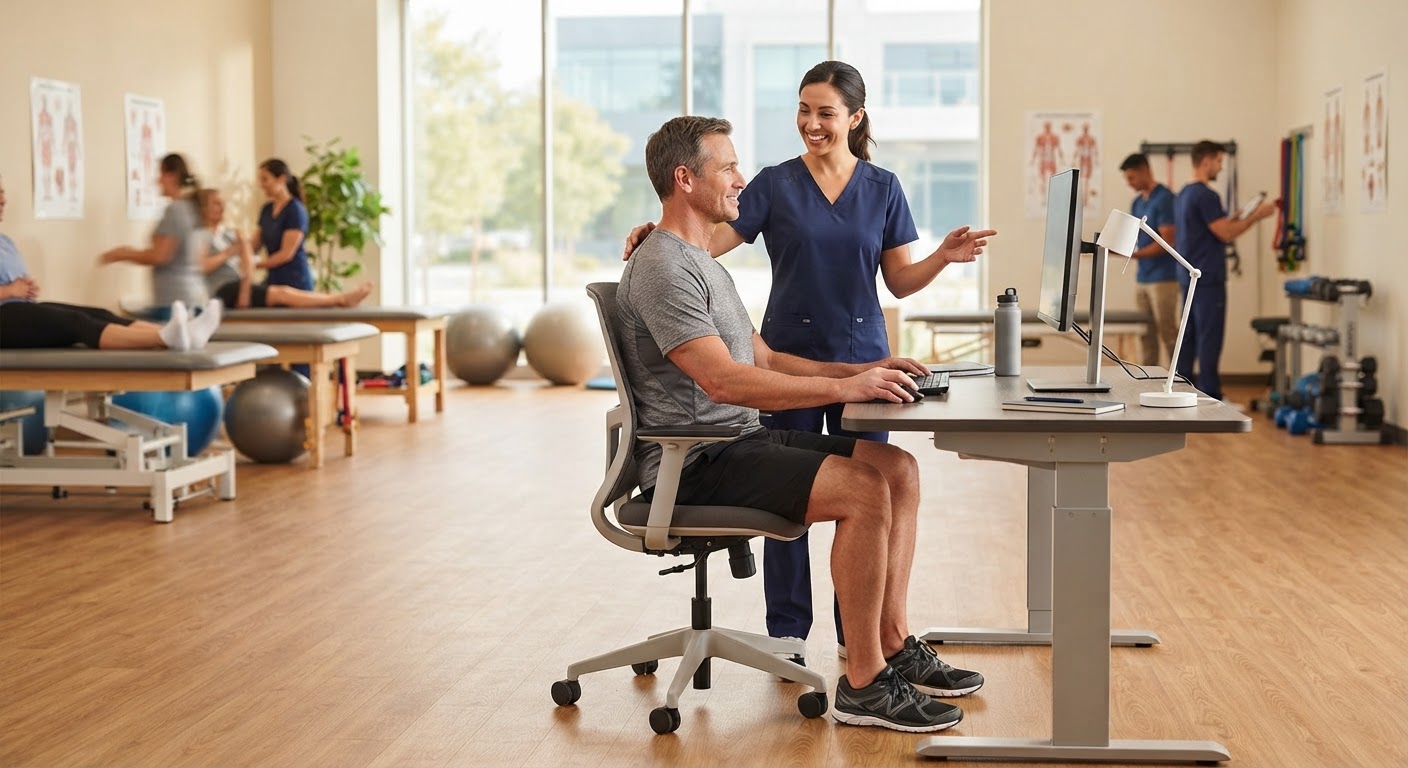
A comfortable workstation should fit your body rather than require you to hold an awkward position all day. If you work at a desk, adjust your chair so your feet can rest on the floor or on a footrest, and aim for relaxed shoulders with elbows near your sides. Position your screen so you can look ahead without repeatedly bending your neck. Keep frequently used items within easy reach to limit unnecessary twisting and stretching.
No single posture is perfect for everyone, and even a well-adjusted workstation cannot replace movement. Change positions regularly. Stand, walk briefly, or gently move your shoulders and wrists between tasks. Set a reminder if you often lose track of time. Small, comfortable movement breaks can help interrupt long periods in one position.
Use Safer Lifting And Carrying Habits
Before lifting, consider the object’s weight, shape, and distance. If it feels too heavy or awkward, ask for help or use available equipment. Move close to the load, establish a stable stance, and bend through your hips and knees as comfortable. Keep the object near your body as you rise, and turn with your feet instead of twisting your trunk while carrying it.
When possible, divide a large load into smaller portions and clear your route before moving. For frequent lifting, carrying, or pushing at work, ask whether tools, storage changes, or task rotation could reduce strain. A physical therapist can help you practice movement strategies that match your job and physical abilities. The goal is not to force a particular technique, but to find an approach that is safe and sustainable for you.
Build Strength And Mobility For Job Demands
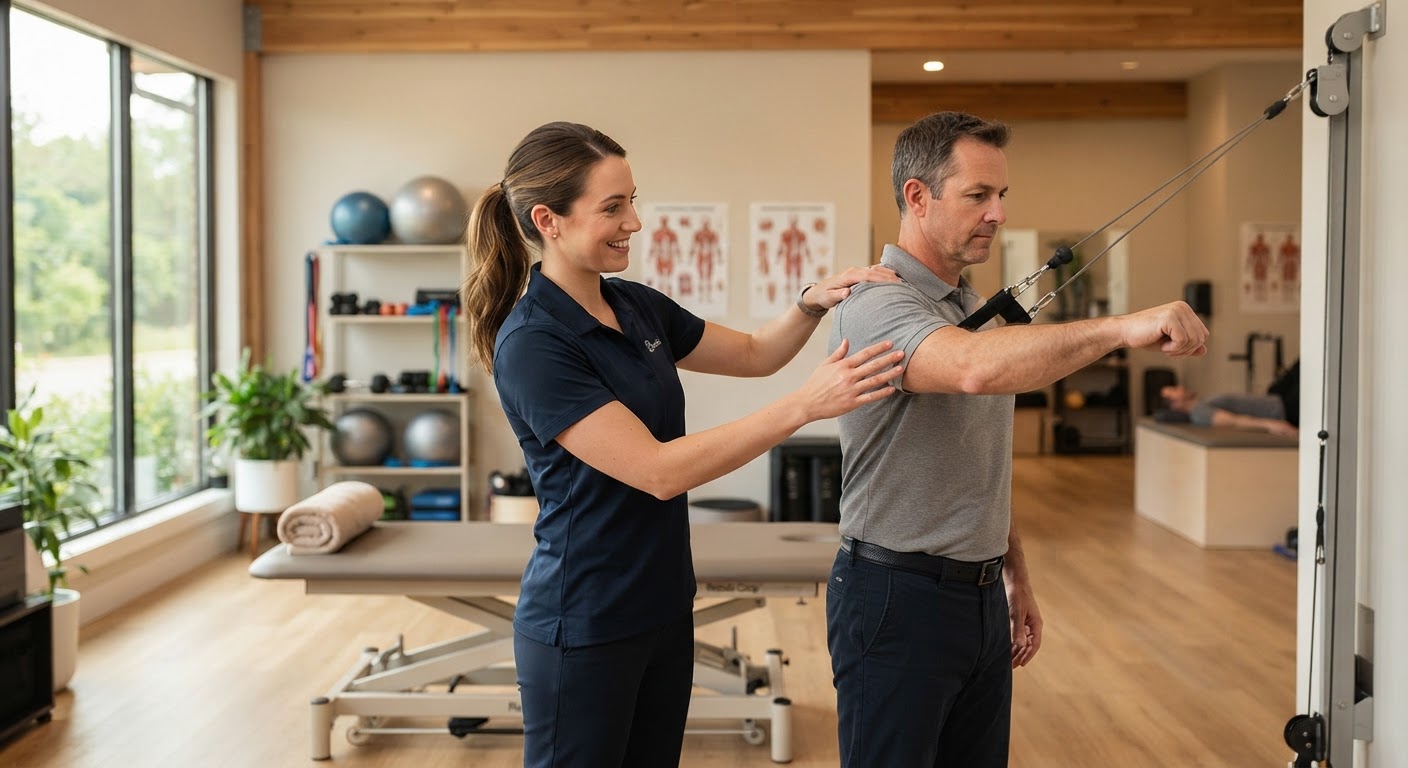
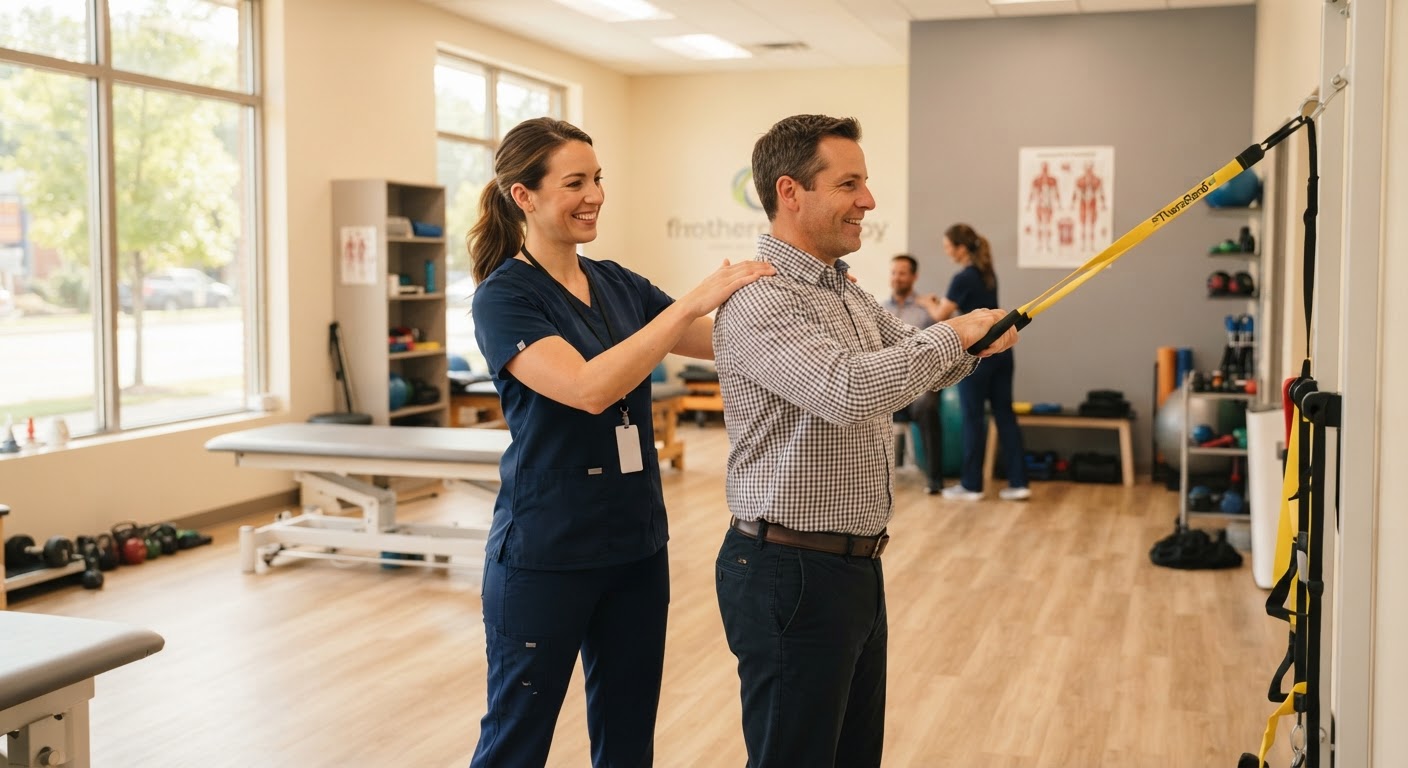
Preparing your body for work can be as important as preparing your workspace. A physical therapist may assess your strength, flexibility, balance, posture, and movement patterns, then recommend exercises suited to your needs. Depending on your job and goals, a plan may include strengthening the muscles that support your back and shoulders, improving hip or ankle mobility, or practicing controlled reaching and lifting.
Start new exercises gradually and focus on comfortable, controlled movement. Your program should reflect your health history, current symptoms, and work requirements. Avoid pushing through sharp or worsening pain. If an activity brings on concerning symptoms, pause and seek guidance from a qualified healthcare professional.
Take Early Symptoms Seriously
Mild stiffness after a demanding shift may settle with rest or a change in activity, but recurring discomfort deserves attention. Keep track of what makes symptoms better or worse and whether they interfere with sleep, concentration, or daily tasks. Early guidance may help you address contributing habits before discomfort becomes harder to manage.
Physical therapy is not only for recovery after an injury. It can also support prevention by helping you improve movement, build capacity, and make informed changes to work routines. If pain is severe, follows a significant accident, or comes with symptoms such as numbness, weakness, or loss of coordination, contact a healthcare professional promptly for appropriate evaluation.
Make Prevention Part Of The Workday
A few consistent habits can make prevention more practical: plan brief movement breaks, alternate tasks when possible, keep commonly used items close, wear appropriate footwear for your work, and stay aware of fatigue. If your job involves repetitive or physically demanding tasks, speak with a supervisor about ergonomic adjustments, equipment, or safer ways to organize the workload.
Prevention works best when it is realistic. Choose one change to try this week, such as adjusting your screen, taking a short walk between tasks, or asking for assistance with a difficult lift. Notice how your body responds, then build on the habits that help.
Get Support From Physical Therapy NOW™
You do not have to wait for an injury to seek help. Physical Therapy NOW™ can help you understand your workplace challenges and explore individualized strategies for rehabilitation, movement, and pain relief. The Miami Beach location serves people looking for practical support to stay active and manage the physical demands of work.
Contact or visit the Physical Therapy NOW™ Miami Beach location to discuss your goals and ask how physical therapy may fit into your injury-prevention plan. Taking a proactive step today can help you work toward moving more comfortably and confidently on the job.
Ready to start feeling better?
Physical Therapy NOW™ has 40+ Florida locations with same-week appointments. Most insurance, auto accident (PIP), workers' compensation and Medicare accepted.