Workplace injuries can happen in any setting, from an office or retail floor to a warehouse or job site. Long hours at a desk, repeated movements, awkward lifting, and working while fatigued can all place extra demands on the body. The good news is that simple habits, a thoughtfully arranged workspace, and guidance from a physical therapist can help reduce injury risk.
At Physical Therapy NOW™ in Coral Springs, FL, physical therapy can help employees understand how they move, address discomfort early, and build strength for the demands of work. Prevention is not about avoiding every movement. It is about preparing your body, using safer techniques, and responding to warning signs before a small problem becomes harder to manage.
Understand Common Workplace Risks
Work-related injuries often develop gradually. Repeating the same motion, staying in one position for too long, or working with equipment that does not fit your body can contribute to muscle and joint strain. Common trouble spots include the neck, shoulders, back, wrists, and knees.
Some injuries happen suddenly, such as a strain while lifting or a slip on a wet floor. Others may begin as mild stiffness, tingling, or soreness that returns during or after a shift. Pay attention to patterns. Notice which tasks bring on symptoms, how long they last, and whether a change in position or activity helps. This information can be useful when discussing your concerns with a healthcare professional.
Set Up Your Work Area
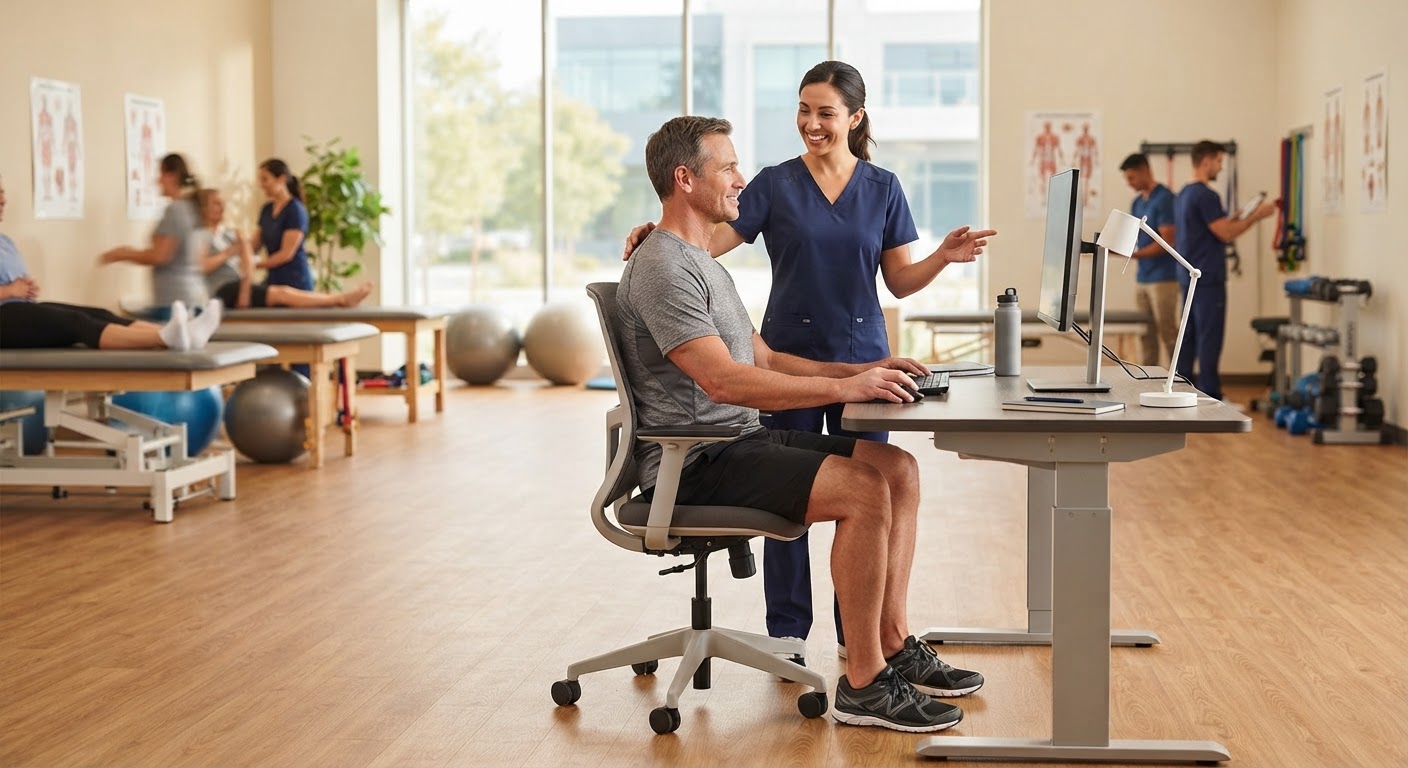
A comfortable workstation supports a variety of positions rather than locking you into one posture. For desk work, place your screen near eye level and keep frequently used items within easy reach. Adjust your chair so your feet have support and your shoulders can relax. Your elbows should rest comfortably near your sides while you type, and your wrists should stay in a neutral position instead of bending sharply.
If you work on your feet, choose supportive footwear and use an anti-fatigue mat when appropriate. Keep tools and supplies close enough to avoid frequent reaching or twisting. In physically demanding jobs, ask whether work areas, carts, or equipment can be adjusted to reduce unnecessary carrying and awkward positions. Small changes may make repetitive tasks more manageable.
Move Regularly And Vary Tasks
Even a well-arranged workstation can become uncomfortable if you hold the same position for hours. Change positions regularly, stand up between tasks, and take brief movement breaks when your schedule allows. A short walk, gentle shoulder rolls, or a few comfortable mobility movements can help interrupt long periods of stillness.
For repetitive jobs, consider alternating tasks when possible. Switching between activities can vary the muscles and joints being used. Build changes into your routine: take a movement break after completing a task, refill a water bottle, or use a reminder to check your posture and comfort. Keep movements gentle and within a comfortable range. If an exercise causes sharp pain, numbness, or worsening symptoms, stop and seek appropriate guidance.
Use Safer Lifting Habits
Before lifting, check the load and clear your path. Bring the item close to your body, plant your feet securely, and turn with your feet rather than twisting through your back while carrying. Use a cart, team lift, or mechanical aid for items that are heavy, bulky, or difficult to grip. Do not rush a lift just to keep pace; asking for help is a practical way to protect yourself and coworkers.
The safest approach can depend on the task and the item. Training from your workplace and any equipment-specific instructions should be followed. If lifting regularly causes discomfort, a physical therapist can assess your movement and help you practice strategies suited to your job duties.
Build Strength And Address Symptoms Early
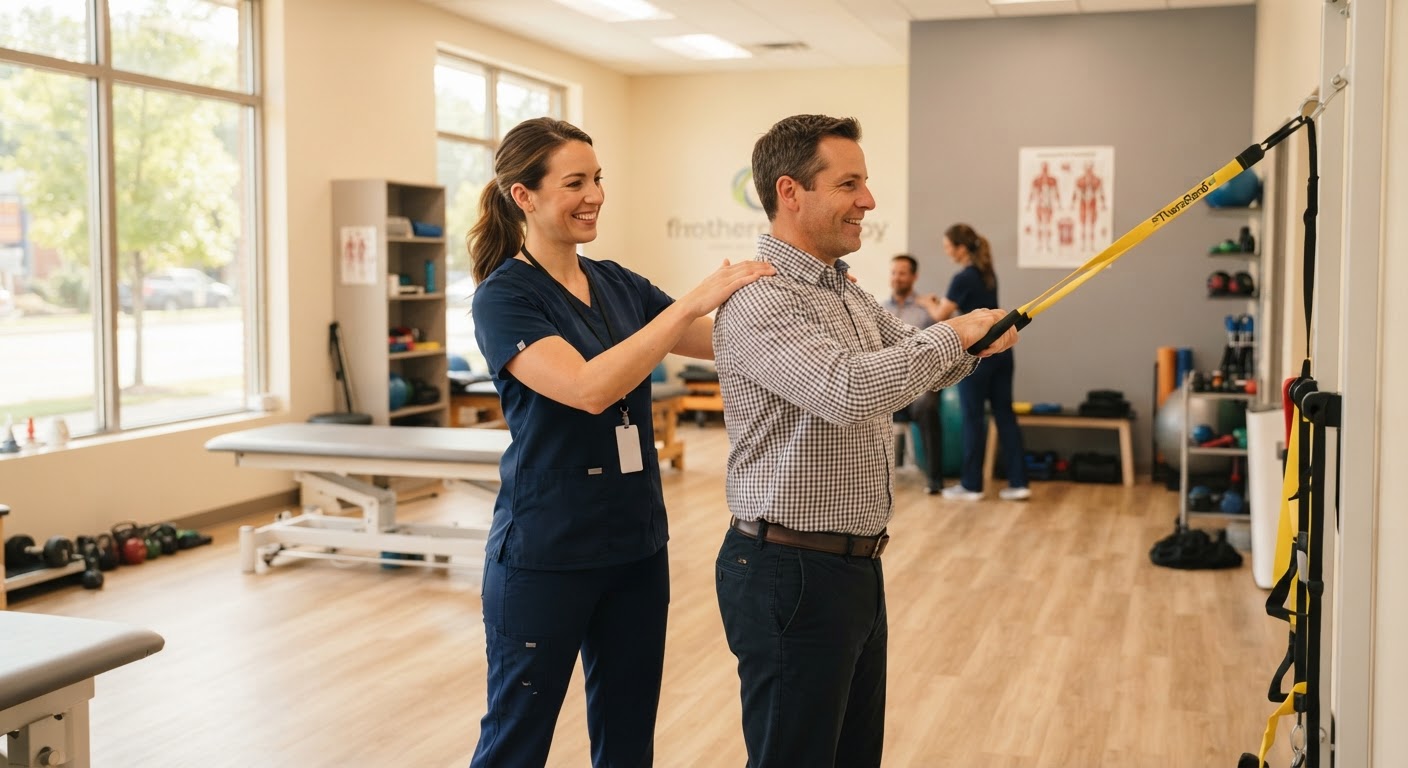
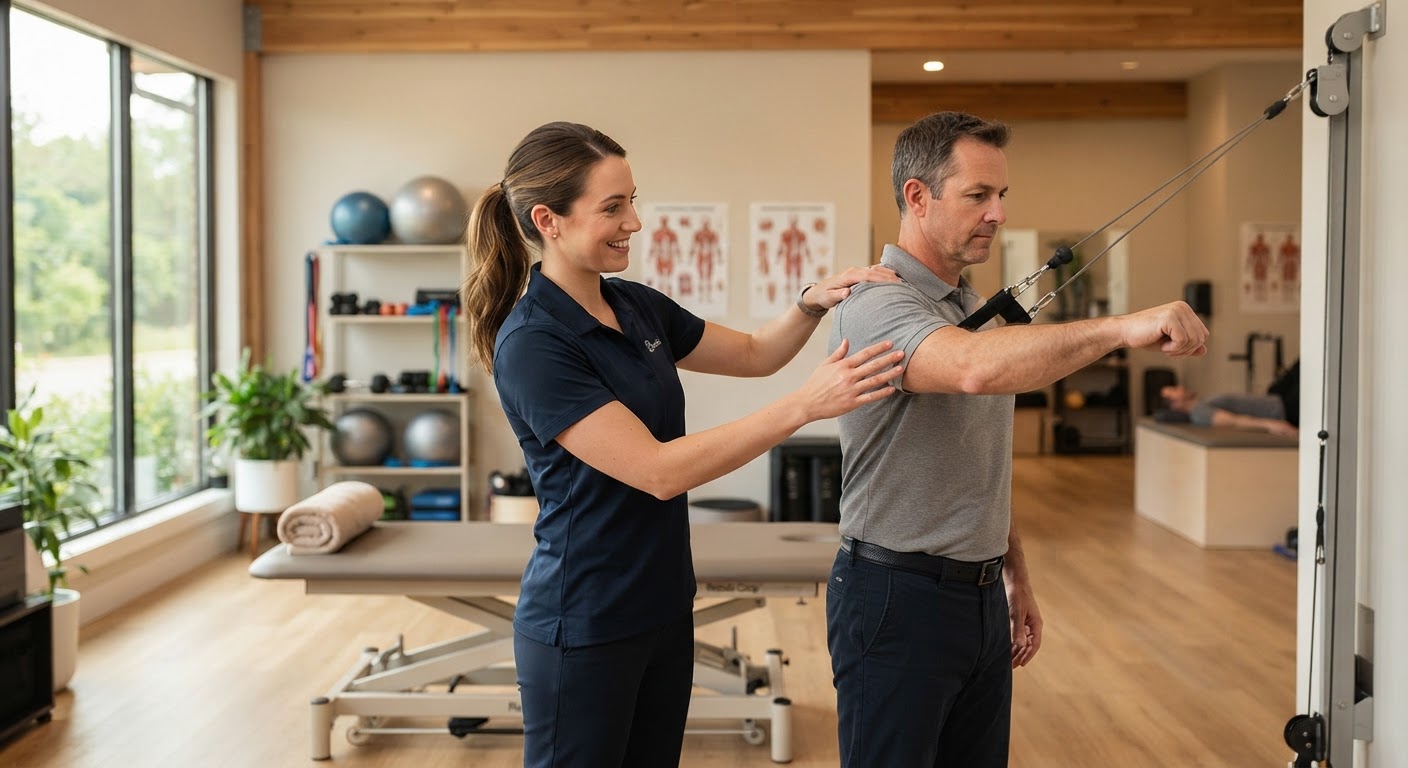
General fitness can support the physical demands of work, but the right plan depends on your health, job, and activity level. A physical therapist can evaluate strength, mobility, balance, and movement habits, then recommend an individualized program. Rehabilitation may include exercises, movement education, and strategies for gradually returning to demanding tasks after an injury.
Do not ignore pain that keeps returning, limits your work, or interferes with sleep and everyday activities. Early attention may help clarify what is contributing to symptoms and identify appropriate next steps. Physical therapy is not a substitute for urgent medical care. Seek prompt medical attention for severe pain, a major injury, new weakness, or other concerning symptoms.
Make Prevention Part Of The Workday
Injury prevention works best as a consistent routine. Start your shift by checking your workspace and equipment. Notice how your body feels during the day, change positions when possible, and use the lifting or movement aids available to you. At the end of a shift, note any recurring discomfort and what tasks seemed to trigger it. Sharing these details with a supervisor or healthcare provider can help guide workplace adjustments and care.
Employers and employees can also work together to identify hazards, improve access to equipment, and encourage reporting of early symptoms. A safer work environment is a shared effort, and practical adjustments can support comfort and productivity over time.
Get Support From Physical Therapy NOW™
If discomfort is affecting your work or you want guidance on safer movement, the team at Physical Therapy NOW™ can help you explore appropriate physical therapy and rehabilitation options. Care may include an assessment of your movement, personalized exercise recommendations, and practical education for your work tasks.
Contact Physical Therapy NOW™ at the Coral Springs location in Coral Springs, FL to ask about an appointment. Call the clinic or visit in person to discuss your needs and take a practical next step toward pain relief and a safer, more comfortable workday.
Ready to start feeling better?
Physical Therapy NOW™ has 40+ Florida locations with same-week appointments. Most insurance, auto accident (PIP), workers' compensation and Medicare accepted.