Workplace injuries can affect more than your ability to do your job. Stiffness, soreness, or recurring pain may also make everyday tasks and time outside work more difficult. Whether you spend your day at a desk, on your feet, or lifting and carrying, practical changes can help reduce physical strain. Physical therapy can also help you understand how your body moves and build strategies to support safer work habits.
At Physical Therapy NOW™ in Kissimmee, FL, care can be tailored to your work demands, symptoms, and goals. Prevention is not about avoiding every movement or pushing through discomfort. It is about making thoughtful adjustments, improving physical capacity, and responding early when something does not feel right.
Understand Common Workplace Strain
Work-related discomfort can develop gradually or follow a sudden incident. Repeated reaching, prolonged sitting, awkward postures, forceful tasks, and lifting loads without a good plan may contribute to strain. The neck, back, shoulders, wrists, and knees are among the areas workers commonly notice becoming uncomfortable.
Different jobs create different physical demands. A computer-based role may involve long periods in one position, while a warehouse or healthcare role may require frequent lifting, pushing, or standing. Paying attention to which tasks bring on symptoms can help you identify changes that may make your workday more comfortable. Note when the discomfort occurs, what movements are involved, and whether it improves with rest or a change in position.
Set Up Your Work Area
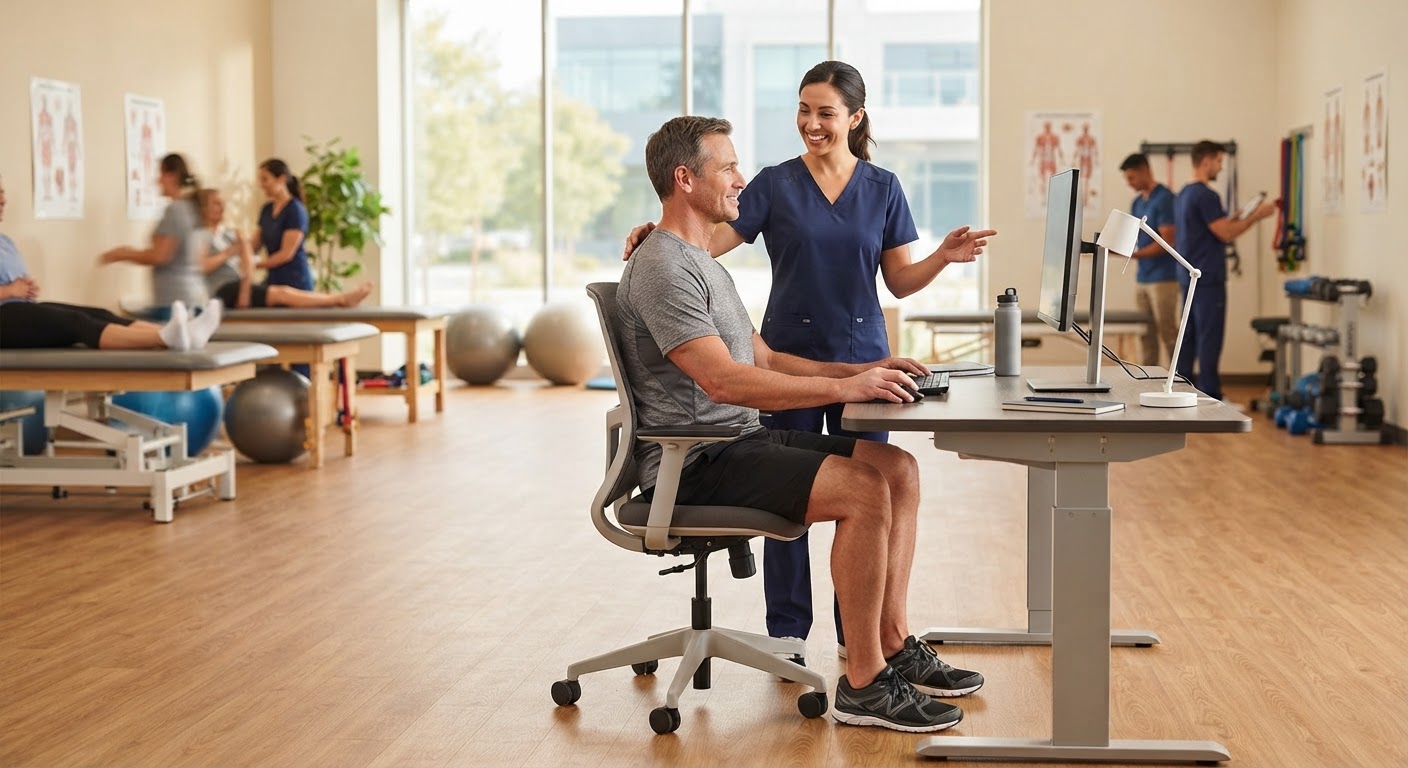
A workspace that fits your body can make it easier to work in a comfortable, supported position. If you work at a desk, adjust your chair so your feet can rest on the floor or a footrest and your hips are supported. Position your screen near eye level and keep your keyboard and mouse close enough that you do not have to reach repeatedly. Let your shoulders relax and keep your wrists in a comfortable, neutral position while typing.
No setup is perfect for everyone, and staying in one position all day can still feel tiring. Change your posture regularly and adjust your setup when you notice yourself leaning, hunching, or reaching. For jobs involving standing, consider whether your work surface allows you to avoid prolonged bending or twisting. Use available mats, stools, or other workplace supports as appropriate, and follow your employer’s safety guidance.
Use Safer Movement Habits
Before lifting, take a moment to assess the load and your path. Keep the object close to your body, use a stable stance, and turn your feet rather than twisting your trunk while carrying. If an item is too heavy, awkward, or difficult to see over, ask for help or use available equipment. These steps can reduce unnecessary strain, but they do not replace workplace lifting procedures or equipment training.
For repetitive tasks, look for ways to vary your position or alternate activities when your role allows. Keep frequently used items within easy reach, and avoid repeatedly working with your arms extended or your body turned to one side. If you perform tasks at floor level or overhead, consider whether a tool, step, or change in work arrangement can help you reach without forcing an uncomfortable posture.
Build Movement Into Your Day
Brief movement breaks can help interrupt long periods of sitting or standing. When possible, stand and walk for a short time, change positions, or gently move your shoulders, back, and hips. If you work on your feet, a brief seated break or a shift in stance may provide a welcome change. Choose movements that feel comfortable, and avoid forcing a stretch into pain.
Regular physical activity outside work can also support strength, mobility, balance, and endurance for job tasks. A simple routine might include walking and exercises appropriate to your abilities and health needs. If you are unsure where to begin, a physical therapist can help you select movements that fit your body and work demands.
How Physical Therapy Can Help
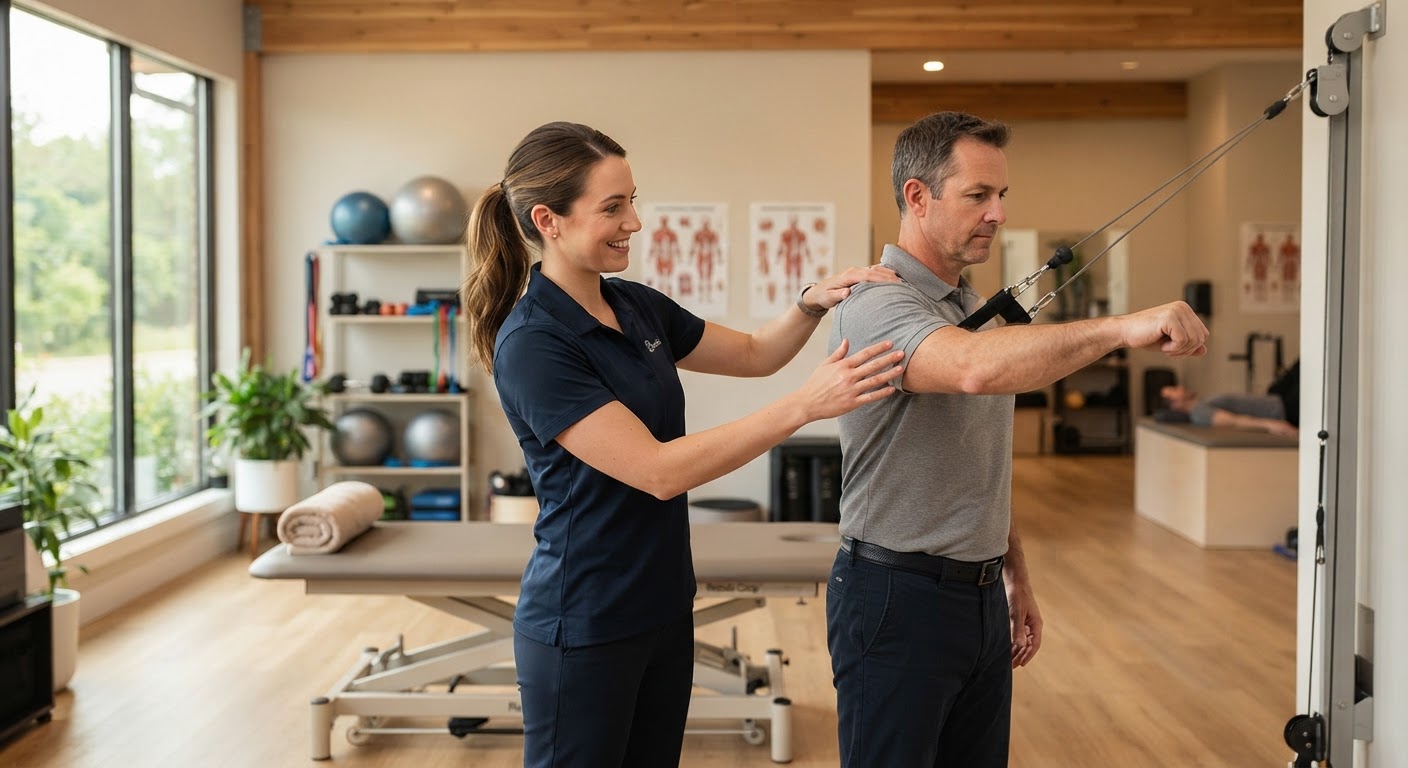
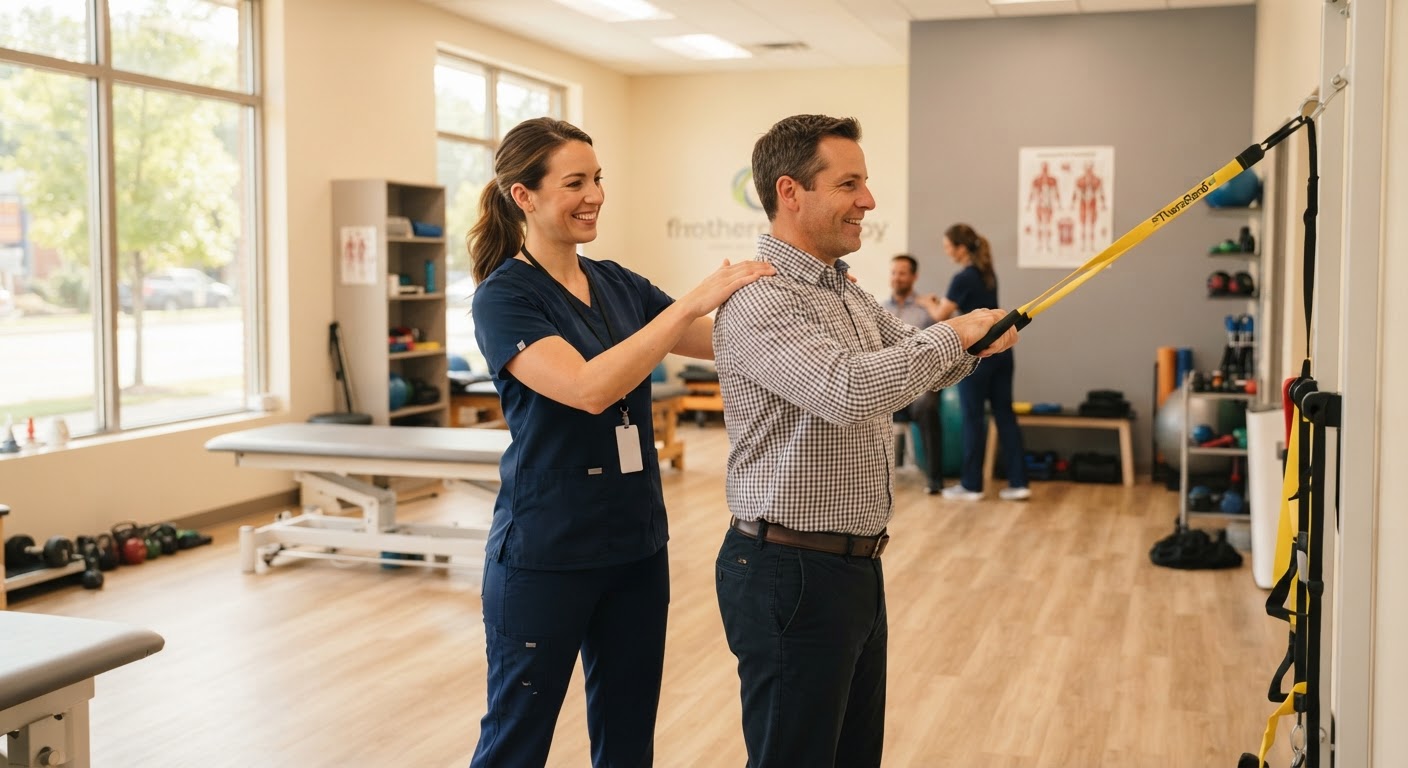
Physical therapy is useful not only after an injury, but also when you want guidance on movement and physical demands. A physical therapist can discuss your symptoms and work activities, assess relevant movement and strength, and help identify factors that may be contributing to strain. Your plan may include therapeutic exercise, movement practice, education, and strategies for managing activity.
Rehabilitation is individualized. The right approach depends on your health history, symptoms, job duties, and goals. A physical therapist may help you practice lifting or reaching techniques, improve strength for specific tasks, or plan gradual return to activities after an injury. The aim is to support function and pain relief while helping you build skills you can use at work and at home.
Seek professional guidance if discomfort persists, keeps returning, or makes it difficult to complete your usual tasks. Sudden or severe symptoms, significant swelling, numbness, or weakness should be evaluated promptly by an appropriate healthcare professional. Early attention can help you understand what is happening and consider suitable next steps.
Make Prevention Part Of Your Routine
A safer workday often comes from small habits practiced consistently. Set up your workspace to reduce reaching, change positions throughout the day, use proper equipment, and speak up when a task feels unsafe or repeatedly causes discomfort. Follow your workplace’s safety procedures, and let a supervisor know about hazards that need attention.
For personalized advice, Physical Therapy NOW™ can help you explore options for workplace injury prevention, rehabilitation, and pain relief. Visit or call the Kissimmee location to discuss your needs and learn how physical therapy may support your work and everyday activities.
Ready to start feeling better?
Physical Therapy NOW™ has 40+ Florida locations with same-week appointments. Most insurance, auto accident (PIP), workers' compensation and Medicare accepted.