How to Prevent Workplace Injuries With Physical Therapy
Workplace injuries can develop gradually or happen in a sudden moment. Long hours at a desk, repetitive tasks, lifting, and prolonged standing can place stress on muscles and joints. The good news is that practical changes to your work habits, combined with guidance from a physical therapist, may help reduce injury risks and support a more comfortable workday.
At Physical Therapy NOW™, physical therapy is focused on helping people move more comfortably and build skills they can use in daily life. Whether you work in an office, a service role, or a physically demanding job, understanding how your body responds to work tasks is an important step toward prevention.
Understand Common Workplace Risks
Work-related discomfort often comes from repeated strain rather than one dramatic event. Sitting for extended periods may contribute to stiffness in the back, neck, or hips. Repetitive reaching, typing, or gripping can irritate the hands, wrists, shoulders, and elbows. Jobs involving lifting or carrying may place extra demands on the back and legs, especially when loads are handled with awkward posture.
A risk factor does not mean an injury is inevitable. It is a reason to pay attention to your setup, movement patterns, workload, and early symptoms. Notice when discomfort appears, which tasks bring it on, and whether it improves with rest or a change in position. This information can help you and a physical therapist identify useful prevention strategies.
Set Up Your Workstation
A comfortable workstation supports a relaxed, balanced posture. For desk work, position your screen near eye level so you are not continually looking down or reaching forward. Keep the keyboard and mouse close enough that your elbows can stay near your sides and your shoulders can remain relaxed. Adjust your chair so your feet are supported and your hips and knees feel comfortable.
Avoid trying to hold one “perfect” posture all day. Even a well-adjusted workstation cannot replace movement. Shift your position regularly, change tasks when possible, and take brief opportunities to stand or walk. If your job involves standing, use supportive footwear, vary your stance, and alternate tasks or positions when your workplace allows.
For lifting tasks, keep the load close to your body and avoid twisting while carrying it. Move your feet to turn instead of rotating through your back. If an item is too heavy, awkward, or difficult to control, ask for help or use available equipment. Follow your workplace’s safety procedures and training.
Build Movement Into Your Day
Small, consistent movement breaks can help interrupt long periods of sitting or repetitive activity. Set a reminder to stand, walk, or gently change position throughout the day. During a break, try a few comfortable shoulder rolls, ankle movements, or short walks. The goal is not to push through pain or perform an intense workout at your workstation; it is to give your body a chance to move in a different way.
If your work involves the same motions repeatedly, ask whether tasks can be rotated or adjusted. Alternating activities may distribute physical demands across different muscle groups. When possible, organize frequently used items within easy reach and avoid repeated overhead reaching or bending to the floor.
Use Physical Therapy for Prevention
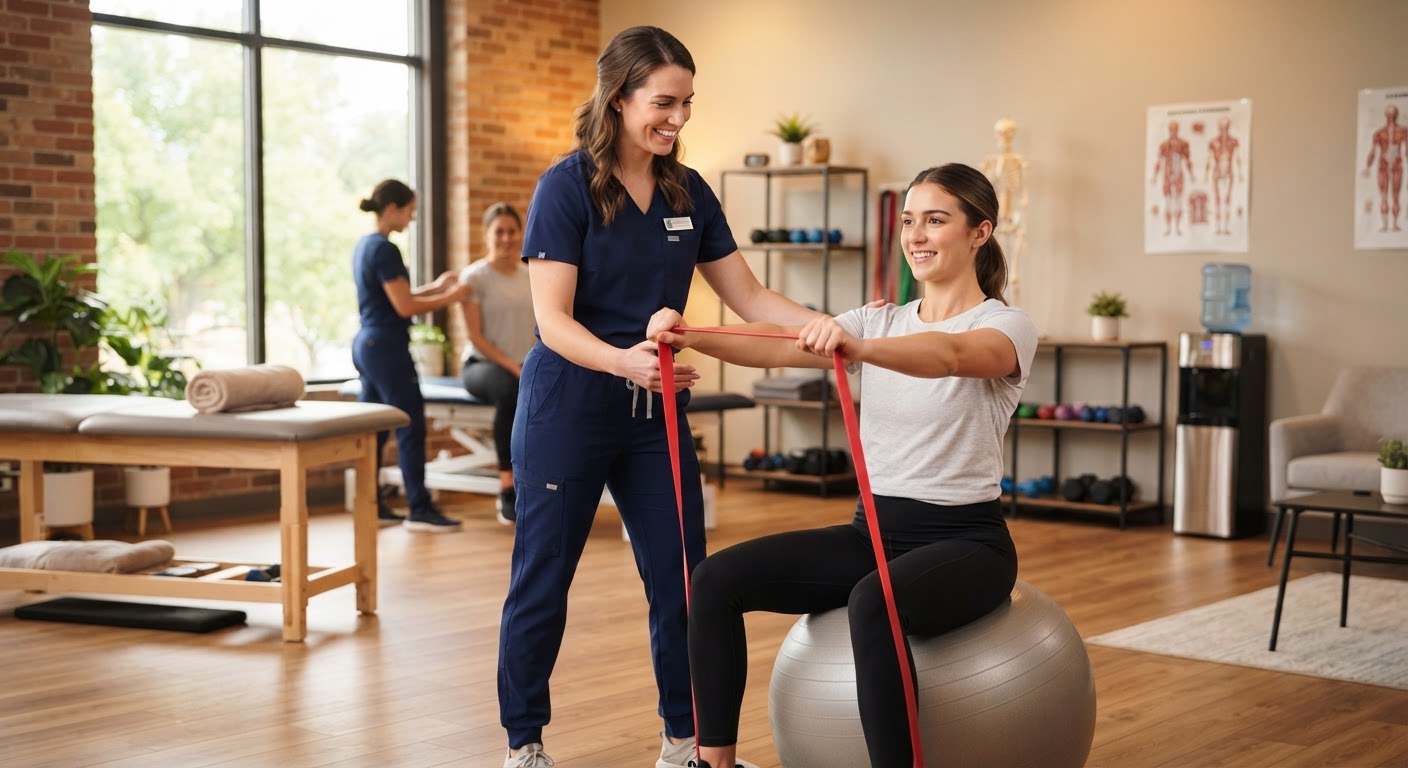
Physical therapy can help you understand what may be contributing to work-related discomfort and how to move with more confidence. A physical therapist may assess your mobility, strength, balance, posture, and the movements involved in your job. Based on your needs, care may include individualized exercises, movement coaching, education, and recommendations for modifying tasks or your workstation.
Rehabilitation is not only for people recovering from a significant injury. It can also help address early limitations before they interfere more with work and everyday activities. A therapist can teach practical strategies for lifting, reaching, pacing, and changing positions, while helping you build strength and flexibility suited to your goals. The right plan depends on your health, symptoms, and job demands.
At Physical Therapy NOW™ in Miami Beach, FL, you can discuss work-related concerns and ask how physical therapy may fit into a prevention or recovery plan. Early guidance can be especially helpful when discomfort keeps returning, affects your ability to complete tasks, or causes you to avoid normal movement.
Respond to Symptoms Early
Pay attention to persistent pain, tingling, numbness, weakness, swelling, or a noticeable loss of motion. These symptoms can have different causes, and a healthcare professional can help determine what steps are appropriate. Do not assume that ongoing discomfort is simply part of your job, and avoid repeatedly pushing through symptoms that are getting worse.
Seek prompt medical attention for severe or sudden symptoms, a serious injury, or concerns that feel urgent. A physical therapist can also advise you when another healthcare professional should evaluate your condition. Getting the right assessment helps guide safe, appropriate care and may help prevent a small issue from becoming a larger obstacle.
Make Prevention Part of Your Routine
Workplace injury prevention works best as an ongoing habit. Review your workstation and work tasks periodically, take movement breaks, use safe lifting techniques, and communicate with your supervisor about hazards or needed adjustments. Keep any exercise routine manageable and consistent, and choose activities that match your current abilities. If an exercise causes sharp or increasing pain, stop and ask a qualified professional for guidance.
Your work should not require ignoring your body’s signals. With thoughtful work habits and individualized support, you can take practical steps toward better comfort, function, and pain relief. If workplace discomfort is affecting your day, visit or call Physical Therapy NOW™ at the Miami Beach location to ask about an evaluation and discuss options for physical therapy. Take the next step toward moving more comfortably at work and beyond.
Ready to start feeling better?
Physical Therapy NOW™ has 40+ Florida locations with same-week appointments. Most insurance, auto accident (PIP), workers' compensation and Medicare accepted.