Post-Surgery Physical Therapy Recovery Timeline
Healing after surgery is a process, and physical therapy can help you rebuild strength, movement, and confidence along the way. Knowing what recovery may involve can make it easier to set realistic goals and take an active role in your rehabilitation. While every person and procedure is different, a general timeline can help you understand the stages you may experience.
At Physical Therapy NOW™ in Weston, FL, your therapist can work with you and your surgeon to create a plan suited to your procedure, health, and daily needs. Always follow your surgeon’s instructions first. The timeline below is a general guide, not a substitute for personalized medical advice.
Why Recovery Timelines Vary
There is no single schedule that applies to every surgery. Recovery may depend on the type of procedure, the tissues involved, your overall health, and how your body responds to healing. Your surgeon may also set restrictions on weight bearing, lifting, bending, or joint movement. These precautions are important, even if you feel ready to do more.
Physical therapy typically progresses in stages. Your therapist will adjust activities based on your symptoms, movement, strength, and surgical precautions. Progress is not always perfectly steady. A temporary increase in soreness or fatigue may happen as activity changes, but it is important to discuss symptoms that concern you rather than pushing through them.
The First Days And Weeks
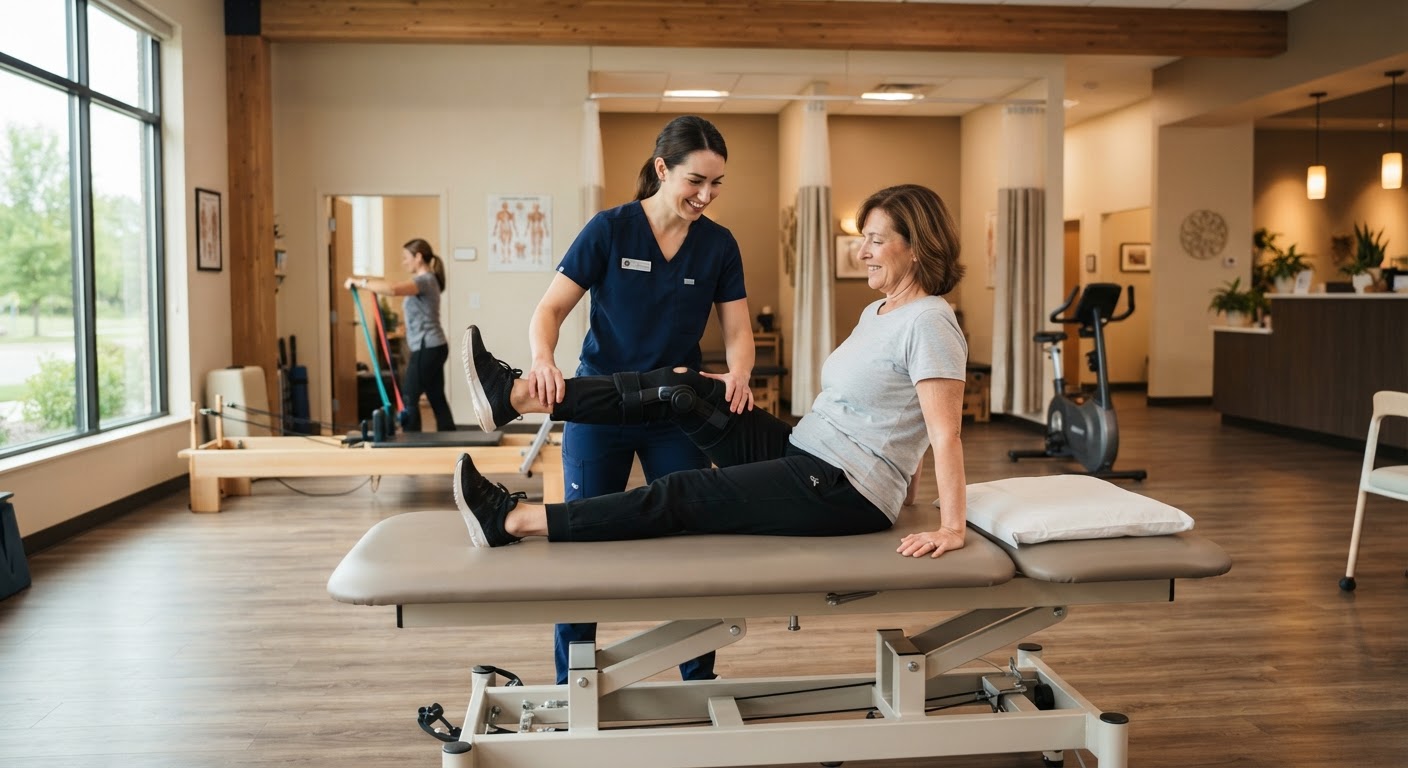
Early recovery often focuses on protecting the surgical area, managing swelling and discomfort, and following instructions for safe movement. Depending on your procedure, your care team may recommend short walks, gentle movement, positioning changes, or specific exercises. Some people begin physical therapy soon after surgery, while others start later based on their surgeon’s plan.
Your therapist may review how to move safely at home, use an assistive device, or manage everyday tasks while following your precautions. Practical steps can include keeping frequently used items within easy reach, allowing extra time to move between rooms, and using prescribed supports as directed. Take medications only as instructed by your medical team, and avoid adding exercises or stretches without approval.
Building Mobility And Everyday Function
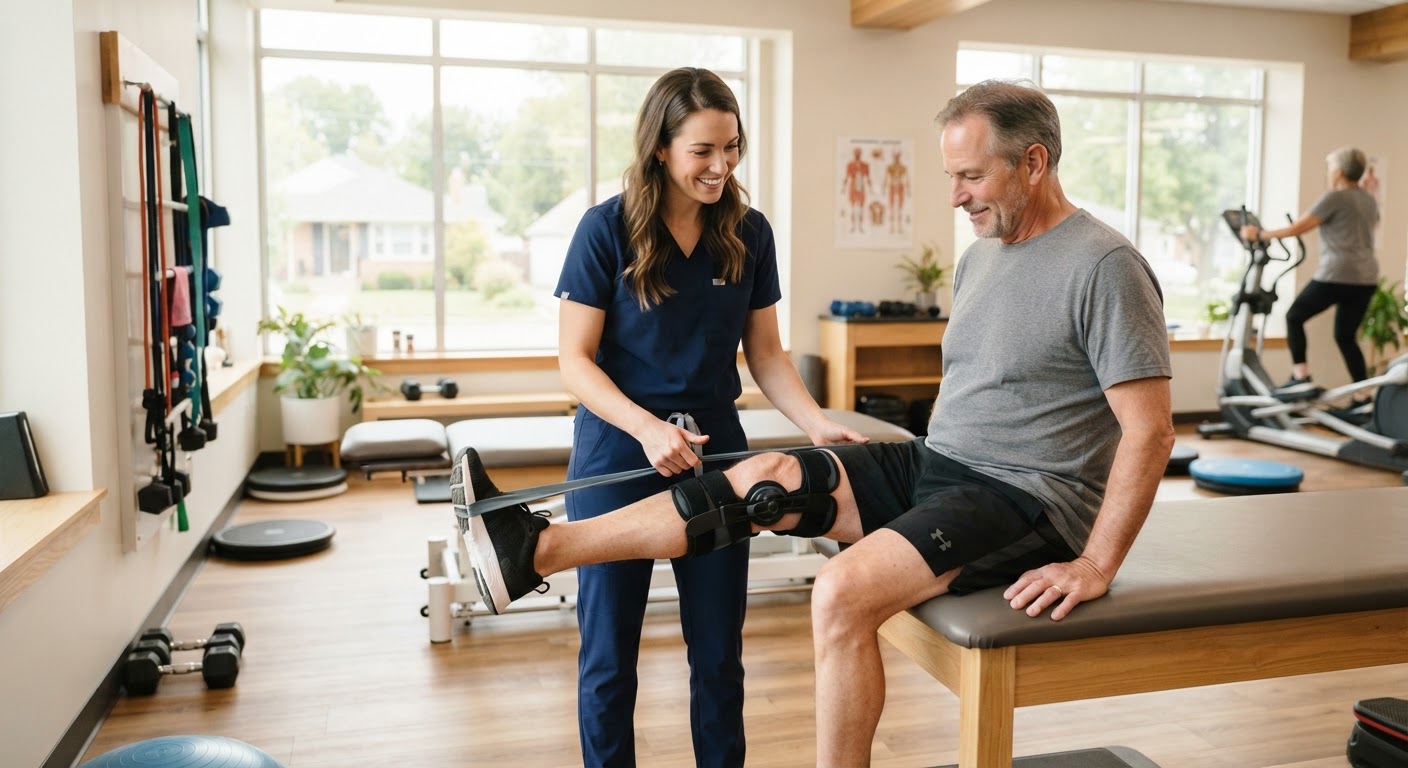
As healing allows, rehabilitation may shift toward improving comfortable movement and gradually returning to daily activities. Your therapist may guide you through exercises selected for your procedure and current abilities. These activities can help address stiffness, coordination, balance, and confidence with walking or other functional movements.
The goal is steady, safe progress rather than doing as much as possible at once. Follow the recommended frequency and range for each exercise. If a movement causes sharp pain, feels unsafe, or leads to symptoms that persist or worsen, pause and contact your therapist or surgical team for guidance. Do not use pain relief as a reason to exceed your restrictions.
Rest and pacing matter during this stage. Try breaking larger tasks into manageable portions and alternating activity with recovery time. Keeping a simple note of your exercises, symptoms, and questions can help you and your therapist identify patterns and make informed adjustments.
Regaining Strength And Confidence
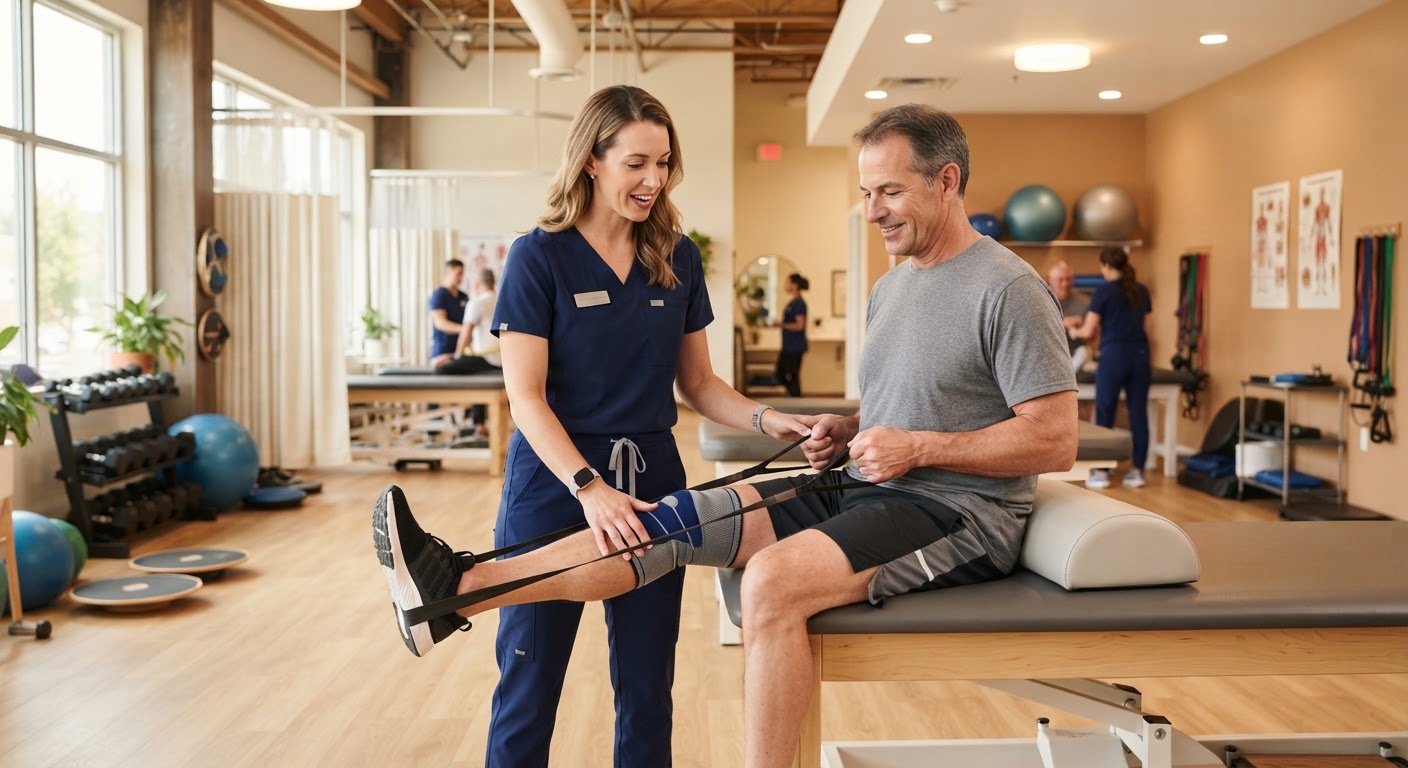
When your surgeon’s guidance and healing progress permit, therapy may include more challenging strengthening, balance, or endurance activities. The specific exercises depend on the procedure. For example, rehabilitation after a joint replacement will differ from recovery after spine or soft tissue surgery. Your plan should reflect those differences rather than rely on a one-size-fits-all routine.
This stage can support a gradual return to work, household tasks, hobbies, or recreational activity. Your therapist can help you practice movements relevant to your goals and determine how to progress them safely. Even when daily activities feel easier, continue to respect restrictions and communicate about lingering pain, swelling, or difficulty with movement.
Returning To Usual Activities
Later in recovery, physical therapy may focus on making movement more efficient and preparing for the specific demands of your routine. Some people need continued support with strength or endurance, while others benefit from guidance on returning to a favorite activity. Your readiness should be based on your healing and care team’s recommendations, not only on the number of weeks since surgery.
Ask your therapist what milestones matter for your procedure and how to recognize when an activity is appropriate. A gradual return can help you build confidence while reducing the risk of doing too much too soon. Keep follow-up appointments and share any changes in symptoms or function.
Tips For A Safer Recovery
Keep your surgeon’s instructions available and bring questions to therapy visits. Do your prescribed exercises as directed, but do not add extra repetitions or new activities unless your care team approves. Use recommended walking aids or supports, and make your home environment easier to navigate by clearing walkways and reducing trip hazards.
Prioritize rest, hydration, and balanced meals as part of your overall recovery routine. Plan ahead for transportation and household help if needed. Most importantly, communicate openly. Your therapist can adjust your rehabilitation plan when they understand what feels manageable and what is getting in the way.
When To Contact Your Care Team
Contact your surgeon or healthcare provider if you have concerns about your incision, symptoms that are getting worse, or a sudden change in your ability to move or manage daily tasks. Seek urgent medical care for severe or rapidly worsening symptoms or other emergency concerns. Your surgeon can explain which symptoms require prompt attention after your specific procedure.
Start Your Recovery With Support
Post-surgery recovery takes patience, consistent guidance, and a plan that matches your needs. Physical Therapy NOW™ can help you understand the next steps in your rehabilitation and work toward improved mobility, function, and pain relief while respecting your surgical precautions.
If you are preparing for surgery or are already recovering, visit or call the Weston location to ask about physical therapy. The team can help you take the next step toward a safe, confident return to the activities that matter to you.
Ready to start feeling better?
Physical Therapy NOW™ has 40+ Florida locations with same-week appointments. Most insurance, auto accident (PIP), workers' compensation and Medicare accepted.