Post-Surgery Physical Therapy Recovery Timeline
Healing after surgery is a process, and it can be hard to know what progress should look like. Physical therapy can help you rebuild strength, mobility, balance, and confidence while following the precautions set by your surgeon. Understanding the general stages of rehabilitation can make recovery feel more manageable, but your timeline will depend on the procedure, your overall health, and your care team's guidance.
At Physical Therapy NOW™ in Pembroke Pines, FL, therapists work with patients to create a plan that fits their surgical protocol and personal goals. The stages below are a general guide, not a replacement for instructions from your surgeon or physical therapist.
Why Recovery Timelines Vary
Different surgeries place different demands on the body. A procedure involving soft tissue may require a different progression than a joint replacement or spinal surgery. Your age, health history, activity level before surgery, pain, and how your body heals can also influence your pace.
Some people begin guided movement soon after surgery, while others need a period of protection before certain exercises are appropriate. Your surgeon's restrictions always come first. Your physical therapist can help you understand what movements are safe now, what to avoid, and how to advance when you are ready.
The First Days And Weeks
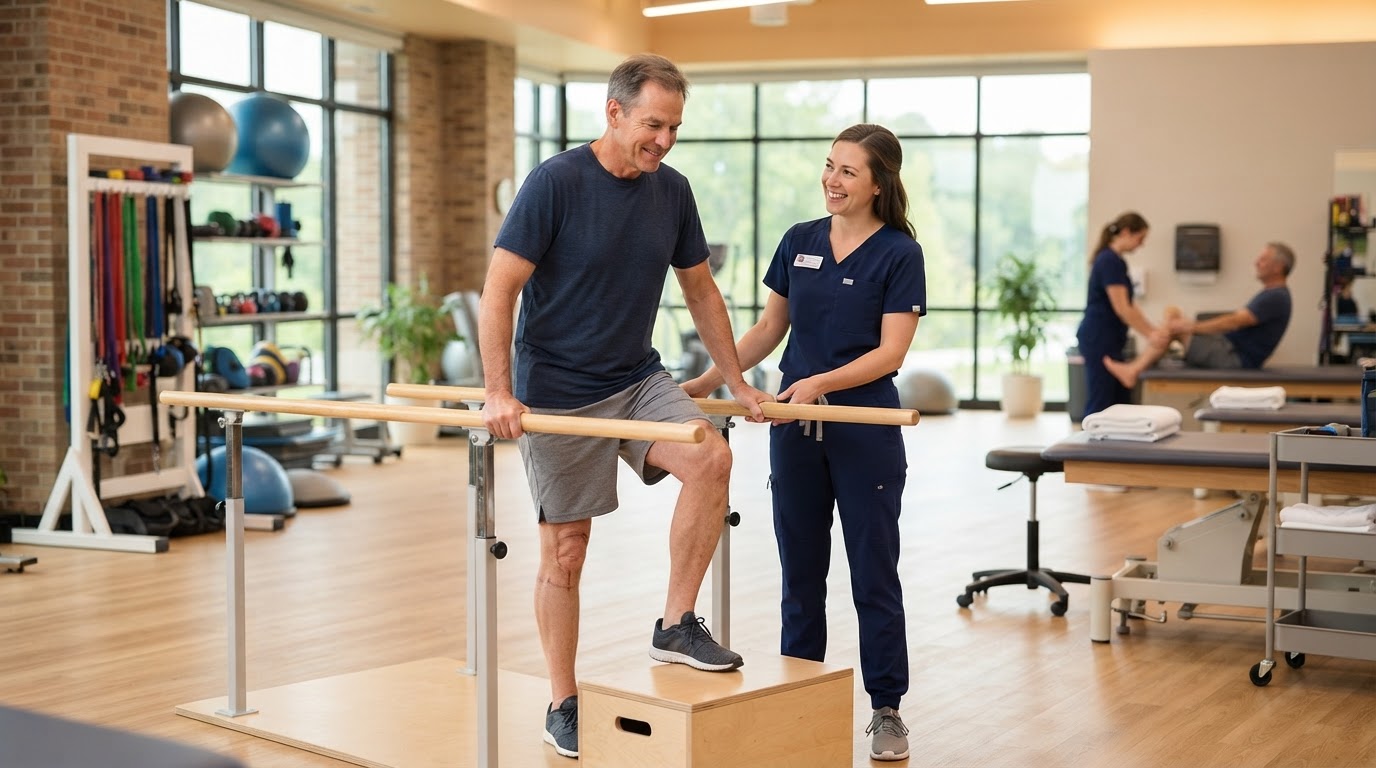
Early recovery often focuses on protecting the surgical area, managing symptoms, and beginning safe movement. Depending on your procedure and care plan, a therapist may help you practice getting in and out of bed, walking with an assistive device, or performing gentle range-of-motion exercises. The goal is not to push through pain, but to support circulation, maintain safe mobility, and follow precautions.
At home, keep essential items within easy reach and clear walking paths of clutter. Use any prescribed equipment as instructed, and ask for help with tasks that could cause a fall or strain. Take medication only as directed by your medical team. Contact your surgeon if symptoms concern you rather than changing your treatment plan on your own.
Weeks Two Through Six
As healing progresses, rehabilitation may gradually focus on improving movement, reducing stiffness, and restoring basic strength. Your therapist may adjust exercises based on your response and any restrictions. You may also practice everyday activities, such as standing from a chair, climbing steps, or walking for short periods, when these are appropriate for your surgery.
Make steady progress rather than trying to catch up after a difficult day. Follow your home exercise plan as prescribed, and let your therapist know if an exercise causes sharp, increasing, or lingering pain. Mild effort or temporary muscle soreness can occur, but your care team can help you distinguish expected responses from symptoms that need attention.
Weeks Six Through Twelve
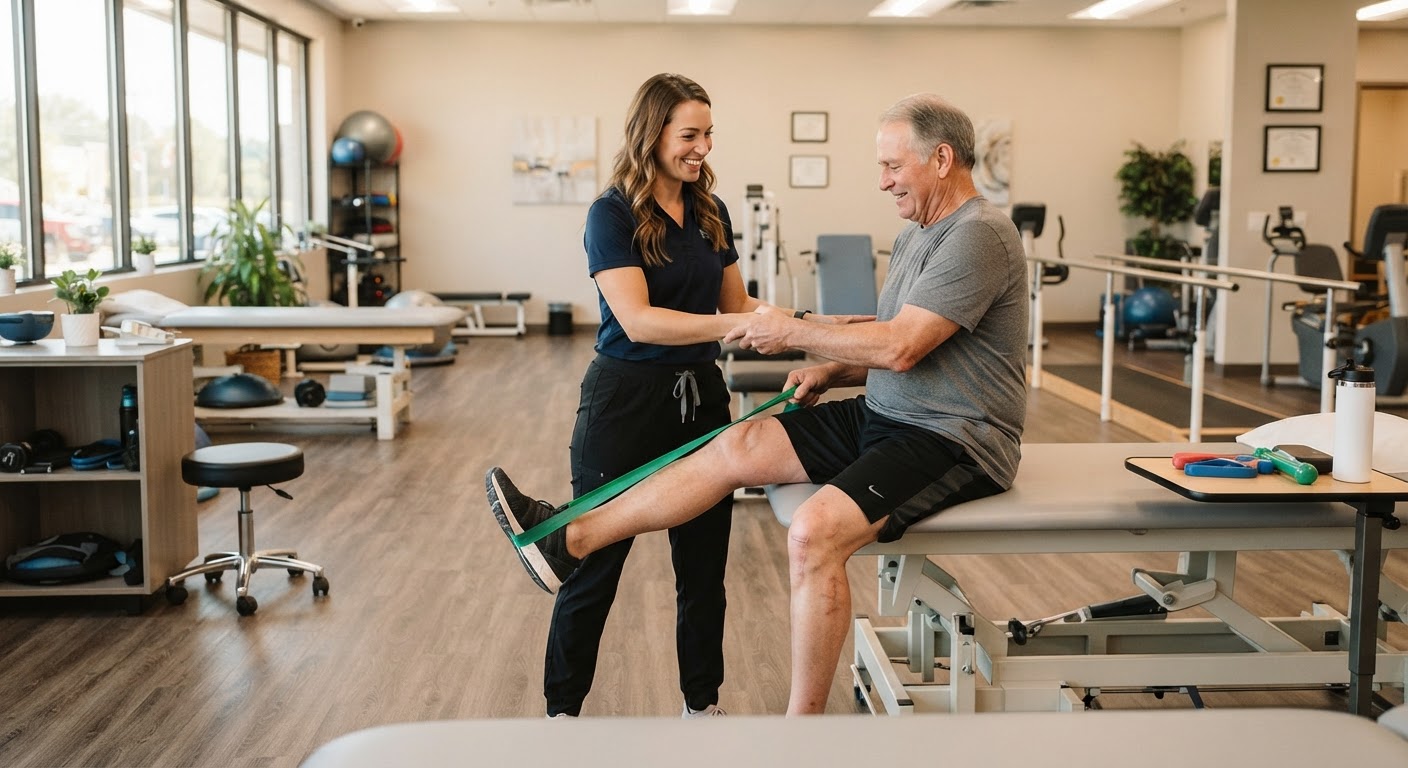
For many patients, this stage brings more active strength, balance, and endurance training. Exercises may become more challenging as movement improves and the surgical area heals. Depending on your procedure, therapy may include functional tasks that prepare you for work, household activities, or recreational movement.
Progress is measured in more than strength alone. Your therapist may consider walking quality, range of motion, swelling, balance, and how comfortably you perform daily activities. If a task remains difficult, it is useful information for adjusting your plan, not a sign that you have failed.
Three Months And Beyond
Some people return to many daily activities within a few months, while more complex procedures can require a longer rehabilitation period. Higher-demand goals, such as lifting, sports, or physically demanding work, may need additional preparation and approval from your surgeon. A gradual return helps your body adapt to increased demands.
Before resuming an activity, ask your care team whether it is appropriate and what signs indicate you are ready. Do not use a calendar date alone to decide that you can stop precautions or increase activity.
Practical Ways To Support Recovery
Keep every follow-up appointment and share honest updates about pain, sleep, swelling, and activities that are difficult. Bring your current exercise instructions and any questions to physical therapy visits. A short note on what felt easier or harder since your last appointment can help guide your session.
Build exercise into a routine that fits your day. Use reminders if needed, and perform movements with the technique and frequency your therapist recommends. Balance activity with rest, especially when fatigue affects your form. Hydration, nutritious meals, and adequate sleep can support general recovery, though they do not replace medical care or a prescribed rehabilitation plan.
If you are unsure whether a symptom is expected, ask your surgeon or therapist. Seek urgent medical care for emergency symptoms, and promptly contact your surgical team about new or worsening concerns. Follow any specific warning signs they provided for your procedure.
How Physical Therapy Can Help
A physical therapist can tailor rehabilitation to your surgery, monitor how you respond, and adjust exercises as your abilities change. Guided movement may help restore function and support pain relief, while education can help you move more safely at home. Your therapist can also coordinate with your surgeon when questions about restrictions or progress arise.
Physical Therapy NOW™ offers individualized support for people recovering from surgery. At the Pembroke Pines location, you can discuss your goals, learn what to expect, and work with a therapist on a plan aligned with your medical team's instructions.
Take The Next Step
You do not have to navigate recovery alone. If you are preparing for surgery or are ready to begin post-surgery physical therapy, visit or call Physical Therapy NOW™ in Pembroke Pines, FL, to ask about getting started. A conversation with the clinic can help you understand your options and take a confident next step toward safe, steady recovery.
Ready to start feeling better?
Physical Therapy NOW™ has 40+ Florida locations with same-week appointments. Most insurance, auto accident (PIP), workers' compensation and Medicare accepted.