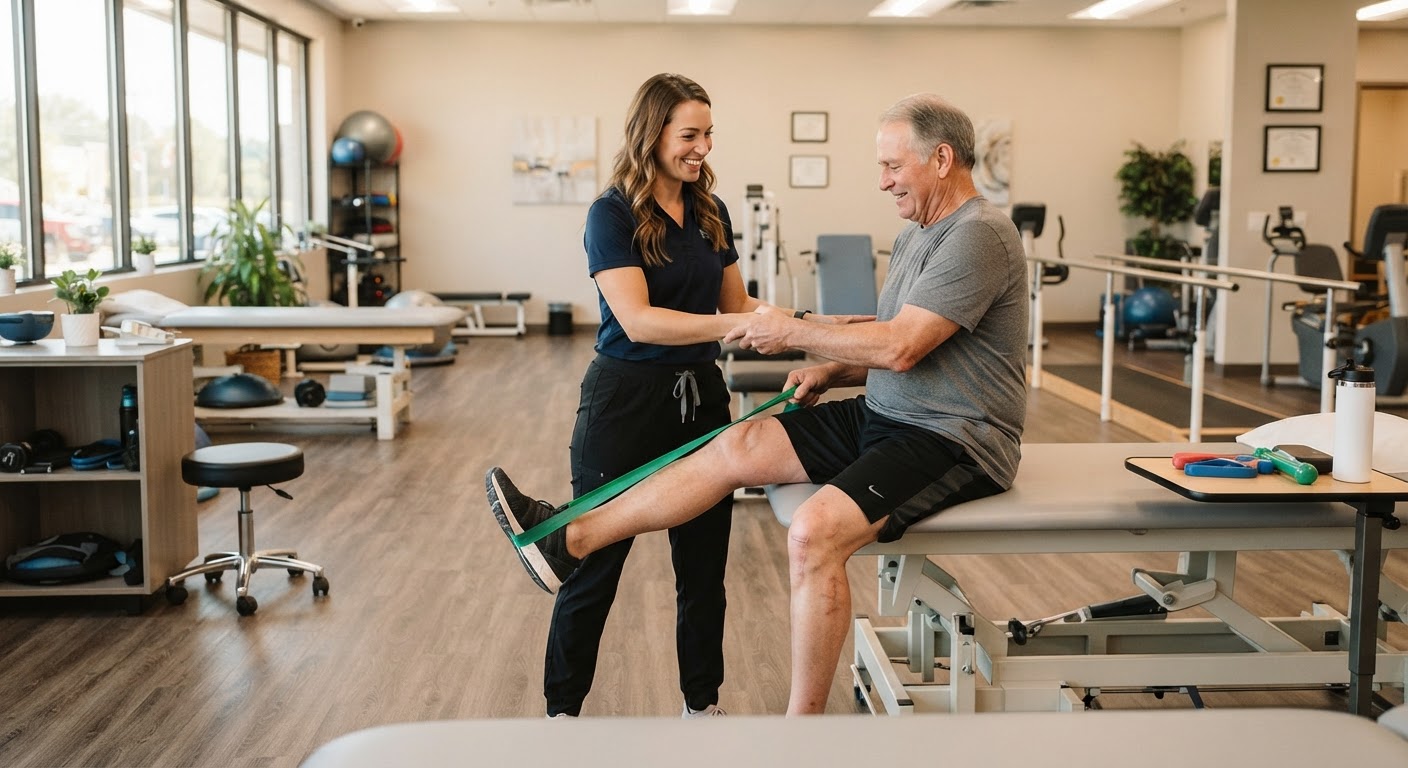
Post-Surgery Physical Therapy Recovery Timeline
Surgery is one step toward feeling and moving better. The next step is often rehabilitation: a gradual process that helps you regain mobility, strength, balance, and confidence. Knowing what recovery may involve can help you prepare, set realistic expectations, and take an active role in your care.
There is no single timeline that fits every procedure or person. Recovery depends on the type of surgery, your health, your activity level before surgery, and how your body responds. Your surgeon’s instructions and your physical therapist’s guidance should always take priority over general timelines. At Physical Therapy NOW™ in Miami, FL, the Country Walk location can help you understand your plan and progress safely after surgery.
The First Days After Surgery
In the first days, your main priorities may include following your discharge instructions, managing symptoms, protecting the surgical area, and moving safely. Depending on your procedure, your care team may encourage gentle walking, position changes, breathing exercises, or simple movements to help maintain circulation and prevent stiffness.
Use any prescribed assistive device as instructed, and ask for help if you feel unsteady. Keep pathways at home clear, place frequently used items within easy reach, and follow directions for wound care and medication. Do not start exercises or increase activity without confirming that they are appropriate for your surgery.
Some soreness, swelling, or fatigue can be part of recovery, but contact your surgeon or medical team if you notice symptoms that concern you. Seek urgent medical attention for emergency symptoms such as severe difficulty breathing or chest pain. Your surgical team can advise you about other warning signs specific to your procedure.
Weeks One And Two: Protect And Begin Moving
Early physical therapy may begin in the hospital, at home, or in an outpatient clinic, depending on the surgery and your surgeon’s protocol. At this stage, treatment often focuses on safe transfers, walking or basic mobility, gentle range-of-motion work, and education about precautions. Your therapist may also show you how to use crutches, a walker, or another device correctly.
The goal is not to push through pain or rush ahead. Instead, follow the recommended level of activity and pay attention to your body’s response. Keep a simple record of your exercises, walking, discomfort, and swelling. This information can help your care team make informed adjustments.
A useful routine is to schedule short activity periods with rest in between, if that fits your instructions. Keep water nearby and wear supportive footwear when walking. If an exercise causes sharp, sudden, or increasing pain, stop and ask your therapist or surgeon what to do rather than trying to force the movement.
Weeks Two To Six: Restore Mobility And Build A Routine
As healing progresses and you receive clearance, physical therapy may gradually address joint or tissue mobility, flexibility, posture, and basic strength. Your therapist will tailor exercises to the operation and your current abilities. Progress may involve adding repetitions, adjusting movement, or practicing everyday tasks such as getting in and out of a chair, climbing steps, or reaching overhead.
Some days may feel easier than others. A temporary increase in soreness after activity does not automatically mean something is wrong, but symptoms that are severe, persistent, or worsening deserve attention. Tell your therapist what you feel during and after exercise. Small, planned changes are generally safer than making a large jump in activity because you had one good day.
Consistency matters more than intensity. Complete your home program as prescribed, but do not add extra exercises without guidance. If you are unsure how to perform a movement, ask your therapist to review it. Correct technique can help you work toward pain relief and function while respecting healing precautions.
Weeks Six To Twelve: Progress Strength And Function
For many people, this phase involves gradually building strength, endurance, coordination, and confidence. Your physical therapist may introduce more challenging exercises or functional activities when your surgeon’s protocol and your progress allow. Depending on the procedure, therapy may include balance training, controlled resistance exercises, walking progression, or practice related to work and household tasks.
A calendar date alone does not determine readiness for a new activity. Your therapist may consider your movement quality, symptoms, strength, and ability to complete current tasks safely. Ask what milestones matter for your recovery and what you should be able to do before returning to driving, work, exercise, or sports. Those decisions may also require your surgeon’s approval.
Beyond Three Months: Return To Daily Activities And Long-Term Goals
Some people are ready to resume many daily activities within a few months, while others need longer rehabilitation. Complex procedures, complications, or physically demanding goals can extend the process. Your care plan may shift from restoring basic movement to preparing for specific activities, such as longer walks, lifting, recreational exercise, or job duties.
Even when formal appointments become less frequent, continue the exercises and habits recommended by your care team. A gradual return to activity can help you maintain progress. If pain, stiffness, weakness, or uncertainty is limiting your next steps, discuss it with your therapist rather than assuming you must simply wait it out.
Practical Ways To Support Recovery
Follow your surgeon’s precautions and attend recommended follow-up appointments. Keep your physical therapy visits and home exercises consistent, and ask questions whenever instructions are unclear. Make your home safer by reducing trip hazards and arranging support for tasks you cannot yet do comfortably.
Plan ahead for appointments and daily activities so you can avoid rushing. Balance movement with rest, and use symptom changes as information to share with your care team. Celebrate functional improvements, even if they seem small: taking a few more steps, moving with better control, or completing a daily task with less assistance can all be meaningful signs of progress.
A Personalized Timeline Starts With The Right Guidance
A general timeline can offer perspective, but your recovery should be based on your procedure, medical guidance, and individual progress. Physical therapy provides a structured way to work toward better mobility, strength, and pain relief while adapting exercises as your abilities change.
Physical Therapy NOW™ welcomes post-surgery patients at its Country Walk location in Miami, FL. If you are preparing for surgery or beginning rehabilitation, visit or call the Country Walk location to discuss how physical therapy may support your recovery. Your care team can help you take the next step with a plan designed around your needs and goals.
Ready to start feeling better?
Physical Therapy NOW™ has 40+ Florida locations with same-week appointments. Most insurance, auto accident (PIP), workers' compensation and Medicare accepted.