Post-Surgery Physical Therapy Recovery Timeline
Recovering after surgery is a gradual process, and physical therapy can help you rebuild movement, strength, and confidence along the way. While it is natural to wonder how long rehabilitation will take, there is no single timeline that fits every person or procedure. Your progress depends on the type of surgery, your overall health, your surgeon’s instructions, and how your body responds to activity.
At Physical Therapy NOW™, our team helps people in North Miami Beach understand their recovery goals and follow a plan suited to their needs. The outline below offers a general guide, not a substitute for your surgeon’s specific directions or an individualized physical therapy evaluation.
The First Days After Surgery
The first phase focuses on protecting the surgical area and following your care team’s instructions. Depending on your procedure, your surgeon may recommend rest, wound care, medication, a brace, or limits on putting weight through a limb. Some people begin gentle movement or walking soon after surgery, while others need to wait or follow more specific restrictions.
Use only the exercises and activity your medical team has approved. Keep follow-up appointments, and ask for clarification if instructions are difficult to follow. Contact your surgeon promptly about concerning symptoms such as a fever, worsening redness or drainage, sudden severe pain, or new shortness of breath. For severe or rapidly worsening symptoms, seek urgent medical care.
Weeks One And Two: Establishing Safe Movement
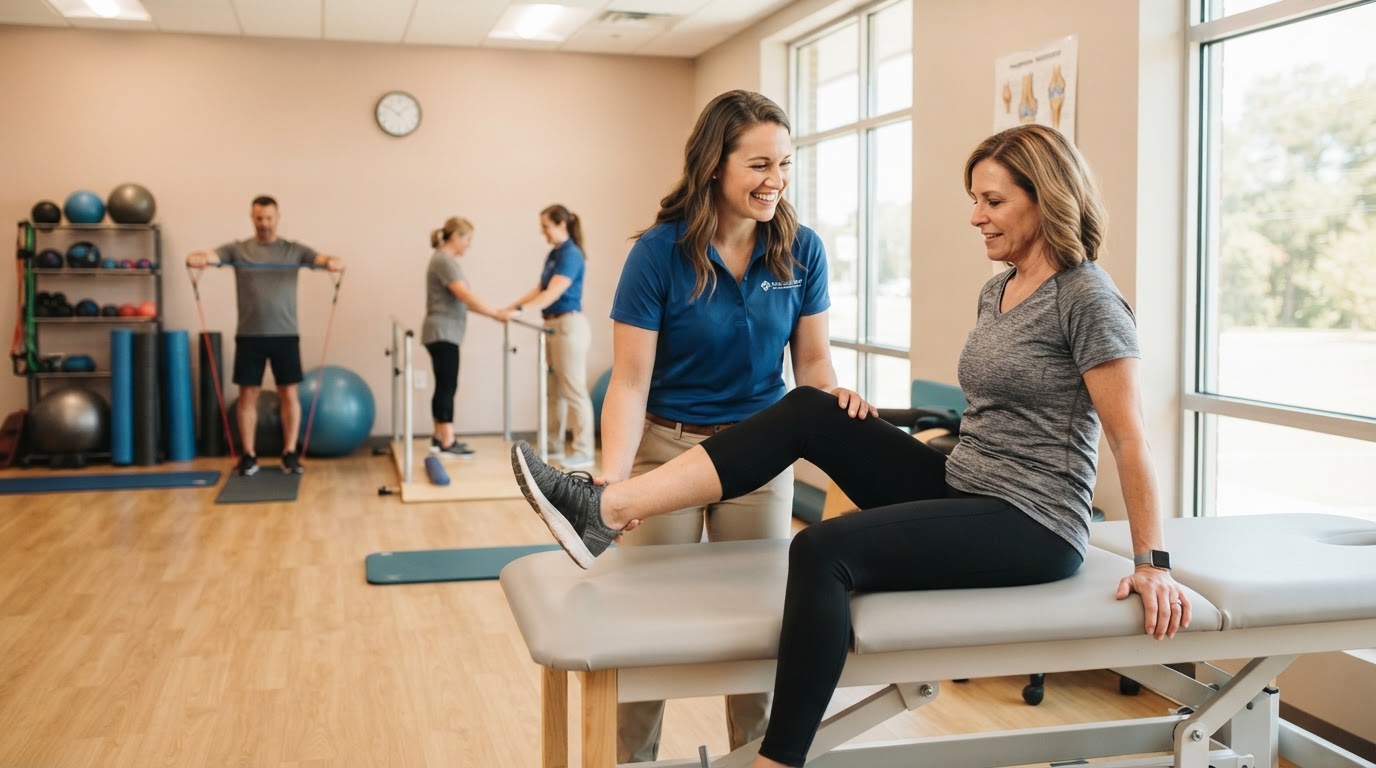
When your surgeon permits, physical therapy may begin with simple goals such as managing swelling, improving comfortable movement, getting in and out of bed safely, or walking with an assistive device. Your therapist can show you how to move without placing unnecessary strain on the healing area and can help you understand which activities to avoid.
Early sessions are not about pushing through pain. Some soreness or fatigue may occur, but tell your therapist if discomfort increases sharply, lasts longer than expected, or changes your ability to move. Follow guidance on ice, elevation, walking, and rest when these are appropriate for your surgery. Small, consistent steps are generally more useful than trying to do too much on a good day.
Weeks Three To Six: Building Mobility And Strength
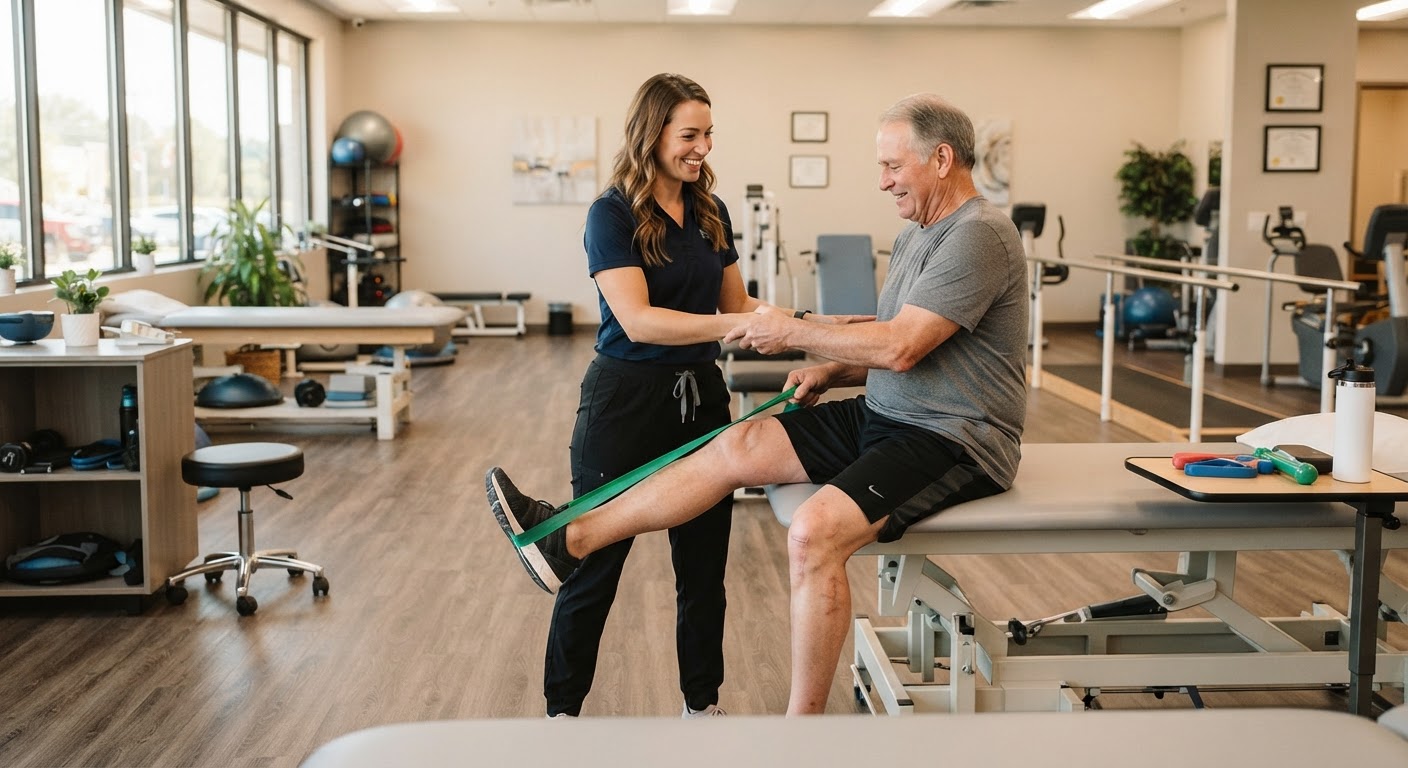
As healing progresses and your care team allows, rehabilitation often shifts toward improving range of motion, balance, and basic strength. Your therapist may gradually adjust exercises, walking distance, or daily activities based on your response. For some procedures, movement may remain limited during this period. For others, you may be ready to practice more functional tasks.
A simple recovery log can help you notice patterns. Record your exercises, activity, pain or stiffness, and how you feel later that day and the next morning. Share the information with your therapist so the plan can be adjusted. Do not add weights, stretches, or extra repetitions just because you feel ready; progress should respect your surgeon’s precautions and your body’s response.
Weeks Six To Twelve: Returning To Everyday Activities
Many people work toward greater independence during this stage, though the timing varies widely. Physical therapy may focus on strength, coordination, endurance, and tasks that matter to you, such as climbing stairs, reaching, or returning to certain household routines. Your therapist can help you build capacity gradually and identify movement strategies that feel safe.
Returning to work, driving, sports, or heavier activities depends on the procedure, your progress, and clearance from your surgeon. Avoid using a calendar date as the only measure of readiness. Ask your care team what abilities you should demonstrate before resuming a specific activity, and discuss any pain relief options or lingering symptoms that are affecting participation.
Three Months And Beyond: Continued Progress
Some recoveries continue for several months, especially after complex procedures or when strength and endurance take time to return. You may have fewer therapy visits as you become more independent, while continuing a home program to maintain progress. Occasional stiffness or fatigue does not automatically mean something is wrong, but persistent or worsening symptoms deserve attention from your medical team.
A gradual return to hobbies and exercise can help you rebuild confidence. Increase one aspect of activity at a time, such as duration or intensity, and allow recovery between demanding sessions. Your therapist can help you adapt activities and set realistic milestones rather than comparing your recovery with someone else’s.
Practical Ways To Support Recovery
Keep a written copy of your precautions and bring questions to appointments. Take medications only as prescribed, and ask your clinician before changing them. Set reminders for approved exercises and short movement breaks, but include rest as part of the plan. Make your home easier to navigate by clearing walkways and keeping frequently used items within reach. If you have trouble completing an exercise or are unsure whether a symptom is expected, contact your therapist or surgeon instead of guessing.
Consistency matters, but more is not always better. A physical therapy plan should change as your healing and function change. Tell your therapist about your goals, barriers, and concerns so your sessions can stay practical and relevant.
Personalized Post-Surgery Support In North Miami Beach
Your recovery timeline is individual. Physical Therapy NOW™ provides rehabilitation support at its North Miami Beach location, with care guided by your procedure, medical instructions, and functional goals. Whether you are preparing for surgery or already recovering, an evaluation can help clarify appropriate next steps and strategies for pain relief and movement.
Call or visit the Physical Therapy NOW™ North Miami Beach location to ask about getting started. With clear guidance, steady practice, and communication with your medical team, you can work toward a safer, more confident return to the activities that matter to you.
Ready to start feeling better?
Physical Therapy NOW™ has 40+ Florida locations with same-week appointments. Most insurance, auto accident (PIP), workers' compensation and Medicare accepted.