Post-Surgery Physical Therapy Recovery Timeline
Surgery is an important step toward addressing an injury or health condition, but recovery often continues well after you leave the operating room. Physical therapy can help you regain movement, build strength, manage discomfort, and return to everyday activities safely. Knowing what recovery may involve can make the process feel more manageable and help you set realistic expectations.
There is no single timeline that works for everyone. Your procedure, overall health, surgeon’s instructions, and progress all affect your rehabilitation plan. At Physical Therapy NOW™, our team helps patients understand the next steps and work toward meaningful goals. If you are preparing for surgery or beginning recovery, the outline below can help you know what to discuss with your care team.
Before Therapy Begins
Your surgeon will let you know when it is appropriate to start physical therapy and what movements or activities to avoid. For some procedures, therapy begins within days; for others, you may need a period of protection before progressing. Follow your discharge instructions, use assistive devices as directed, and do not begin exercises or change weight-bearing restrictions without guidance from your medical team.
Before your first appointment, gather your post-operative instructions and medication list, and bring any brace or mobility aid you have been told to use. Make a note of questions, such as how to manage stairs, when to shower, or how much activity is appropriate. Your physical therapist can coordinate care around your surgeon’s protocol and your current needs.
The First Days And Weeks
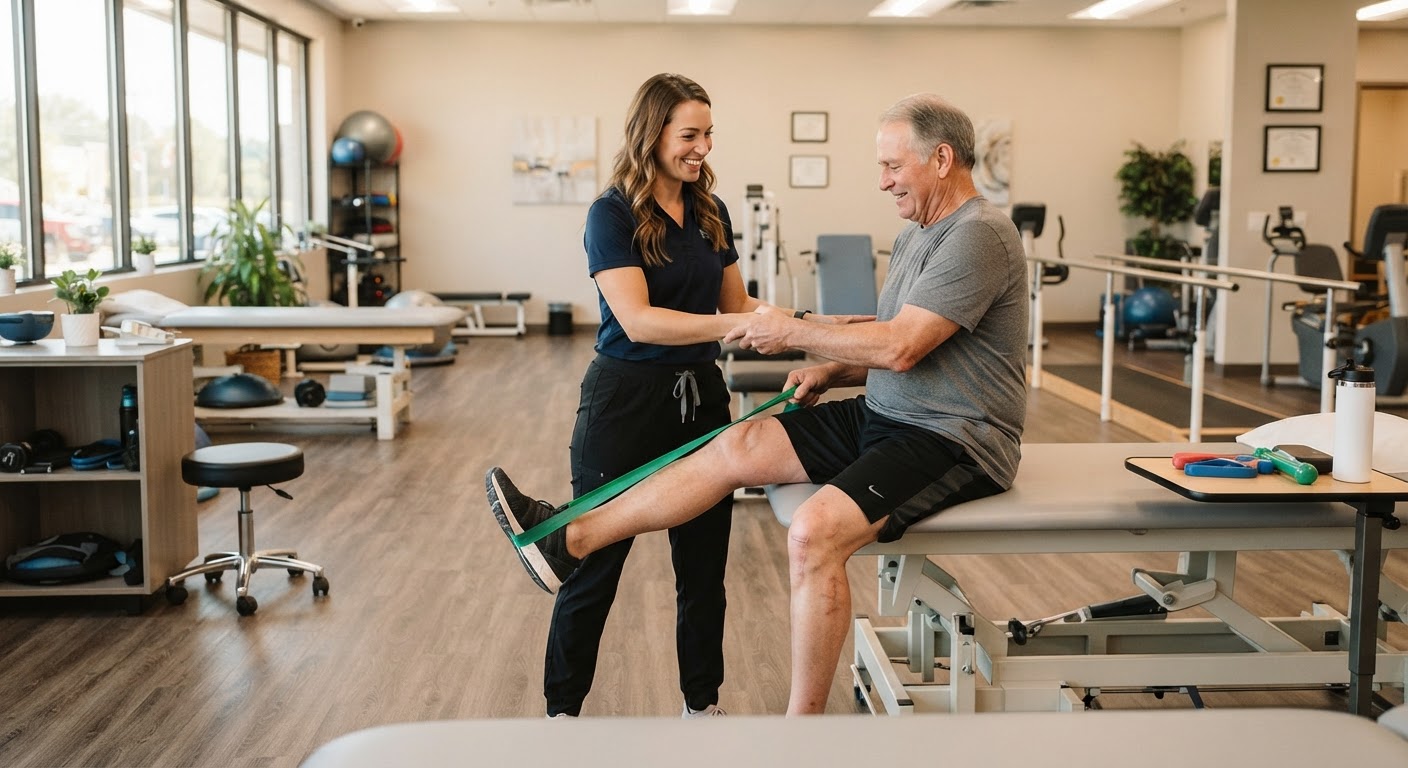
Early rehabilitation typically focuses on protecting the surgical area while addressing basic movement and comfort. Depending on the surgery, your therapist may work with you on safe transfers, walking, gentle range-of-motion exercises, posture, or swelling management. The goal is not to push through pain. It is to begin appropriate movement while respecting the tissue’s healing process.
Your therapist may recommend short, frequent walks or prescribed home exercises. Keep activity within your care team’s limits, and use ice, elevation, or other comfort measures only as recommended for your procedure. Follow instructions for incision care; a therapist should not work over an incision that is not cleared for treatment.
Contact your surgeon promptly if you notice concerning changes such as increasing redness or drainage at the incision, fever, sudden or worsening pain, or new weakness or numbness. Seek urgent medical attention for symptoms such as chest pain or difficulty breathing. Your care team can advise you about symptoms specific to your surgery.
Weeks Two Through Six: Building A Foundation
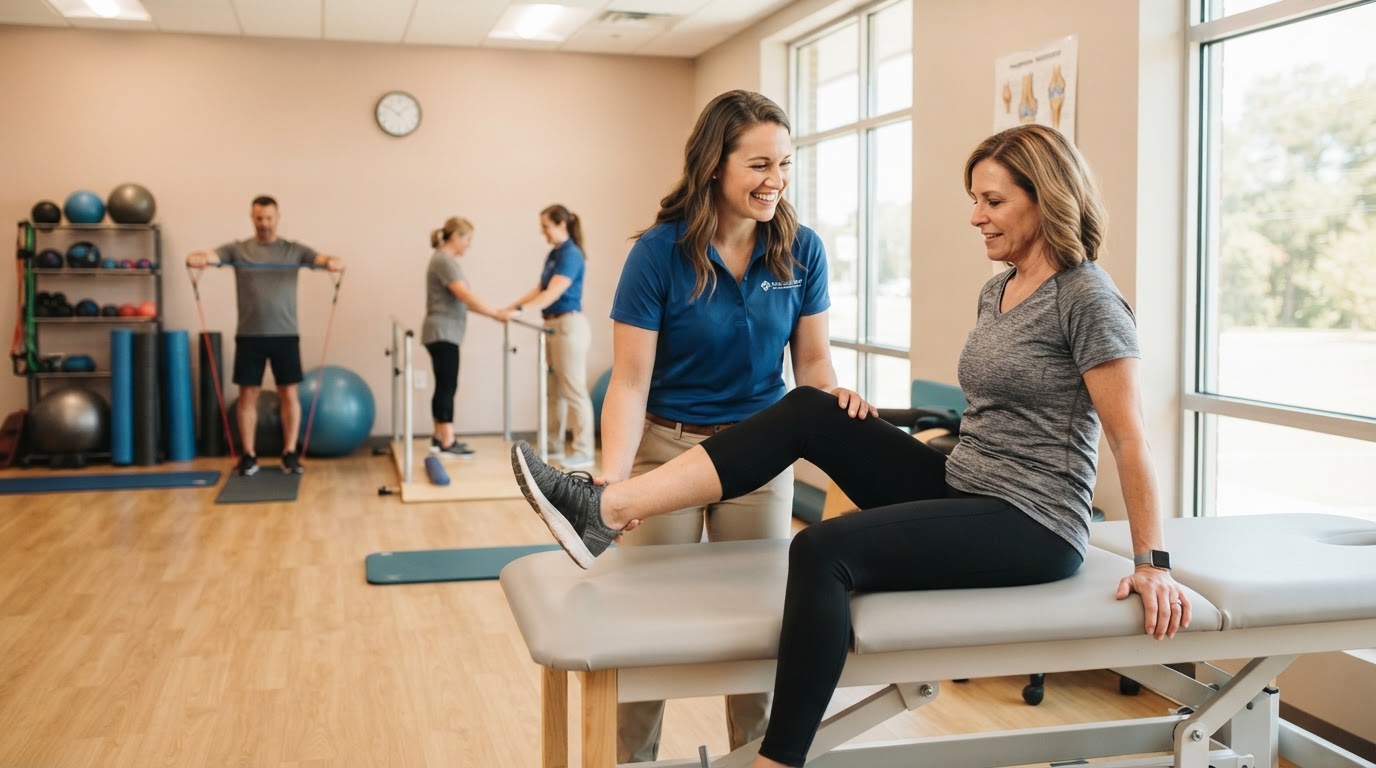
As healing progresses and your surgeon permits, rehabilitation may gradually include more mobility work, balance training, and light strengthening. Your physical therapist will adjust the program based on how you respond, rather than relying only on a calendar. A movement that is appropriate for one person or procedure may not be suitable for another.
A useful approach is to track your activity and symptoms. Note which exercises you completed, how your body felt during and afterward, and whether discomfort settled with rest. Share this information at appointments so your therapist can make informed adjustments. If an exercise causes sharp pain, a sudden increase in swelling, or symptoms that do not settle as expected, pause and ask your therapist or surgeon what to do.
Consistency matters, but more is not always better. Follow the prescribed home program, allow time for rest, and avoid adding extra repetitions or returning to strenuous tasks before you are cleared. Progress may include small gains, such as standing longer, moving more comfortably, or needing less help with daily activities.
Six Weeks And Beyond: Restoring Strength And Function
Later phases of rehabilitation often focus on improving strength, endurance, coordination, and confidence with tasks that matter to you. Depending on your procedure and recovery, this might include practicing stairs, lifting mechanics, reaching, or sport-specific movements. Your therapist can help break larger goals into manageable steps and teach you how to move with control.
The phrase “six weeks” is not a universal return-to-activity date. Some people need more time, and certain surgeries require restrictions for several months. Clearance for driving, work, exercise, or sports should come from your surgeon and care team. Physical therapy supports that process by helping you build capacity gradually and identify areas that still need attention.
Practical Tips For A Smoother Recovery
Keep appointments and communicate openly about your symptoms, concerns, and goals. Wear comfortable clothing that allows access to the area being treated, and bring your brace or assistive device if requested. Arrange a safe, uncluttered path through your home, keep frequently used items within reach, and ask for help with tasks that conflict with your restrictions.
Set small, specific goals with your therapist, such as walking to the mailbox or completing a daily routine with less assistance. Celebrate progress without comparing your timeline with someone else’s. Sleep, nutrition, hydration, and following your post-operative instructions can support your overall recovery, though they do not replace individualized medical care.
Physical Therapy And Pain Relief
Some discomfort can be part of recovery, but pain should be discussed rather than ignored. Physical therapy may support pain relief by improving movement, helping you use muscles more effectively, and gradually restoring function. Your therapist can adapt exercises and activity levels to your tolerance and explain when symptoms warrant a call to your surgeon. Do not stop prescribed medication or change how you take it without speaking with the prescribing clinician.
Personalized Support In North Miami Beach
Recovery is a process, and the right plan should reflect your operation, precautions, and personal goals. Physical Therapy NOW™ offers rehabilitation support at its North Miami Beach location in North Miami Beach, FL. A physical therapist can help you understand your plan, practice safe movement, and progress at a pace that fits your care team’s recommendations.
If you are planning surgery or have recently had a procedure, contact Physical Therapy NOW™ to ask how physical therapy may fit into your recovery. Call or visit our North Miami Beach location in North Miami Beach, FL to schedule an appointment and take the next step toward safer movement, better function, and lasting progress.
Ready to start feeling better?
Physical Therapy NOW™ has 40+ Florida locations with same-week appointments. Most insurance, auto accident (PIP), workers' compensation and Medicare accepted.