Post-Surgery Physical Therapy Recovery Timeline
Surgery is an important step toward improving your health, but recovery continues after you leave the operating room. Physical therapy can help you rebuild strength, restore movement, and return to daily activities safely. Knowing what rehabilitation may look like can make the process feel more manageable and help you prepare for each stage.
There is no single timeline that applies to everyone. Recovery depends on the procedure, your overall health, your surgeon’s instructions, and how your body responds. At Physical Therapy NOW™ in Palm Harbor, FL, your care team can work with you and your medical provider to create a plan that fits your goals and precautions.
The First Days After Surgery
In the first days, your priorities are usually protecting the surgical area, managing symptoms, and following your discharge instructions. Your surgeon may recommend rest, specific positions, wound care, medication, or limits on lifting and weight-bearing. Follow these directions closely, even if you feel ready to do more.
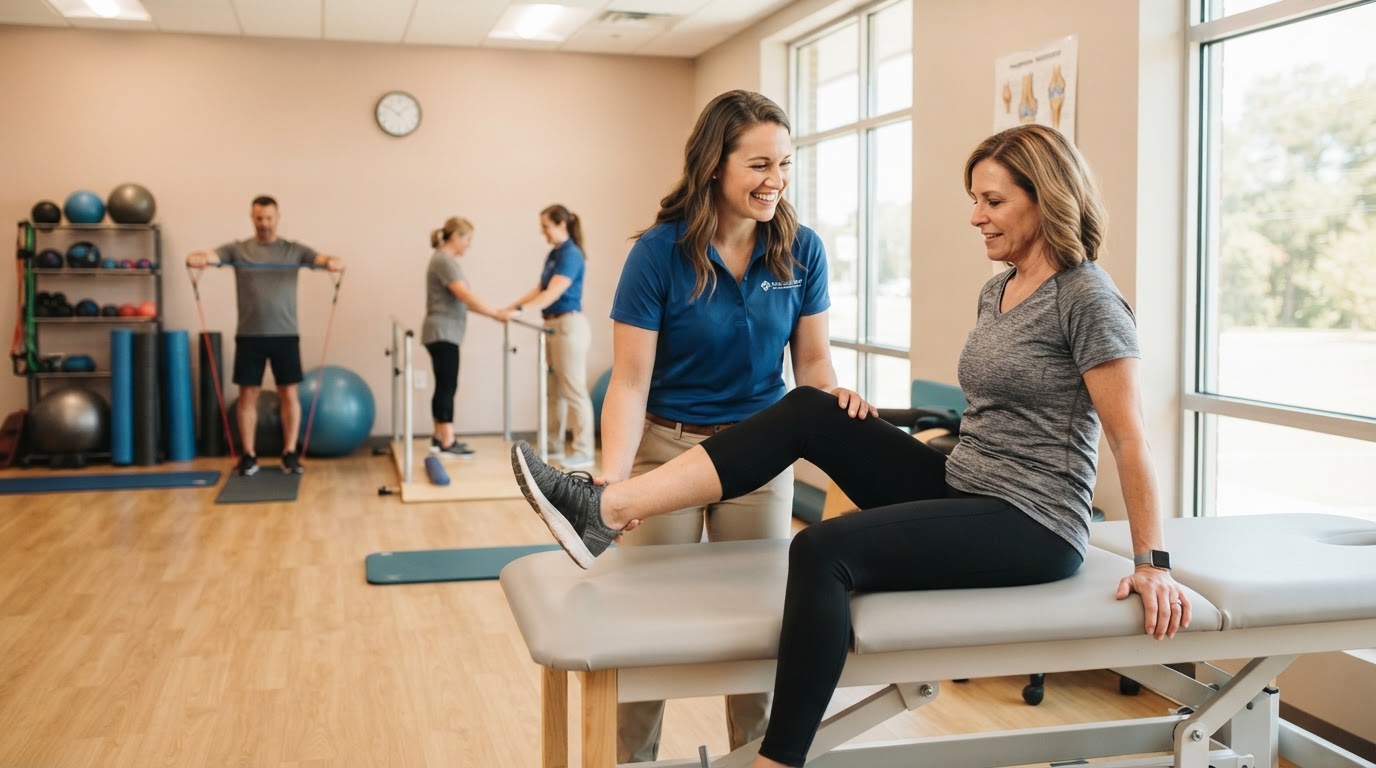
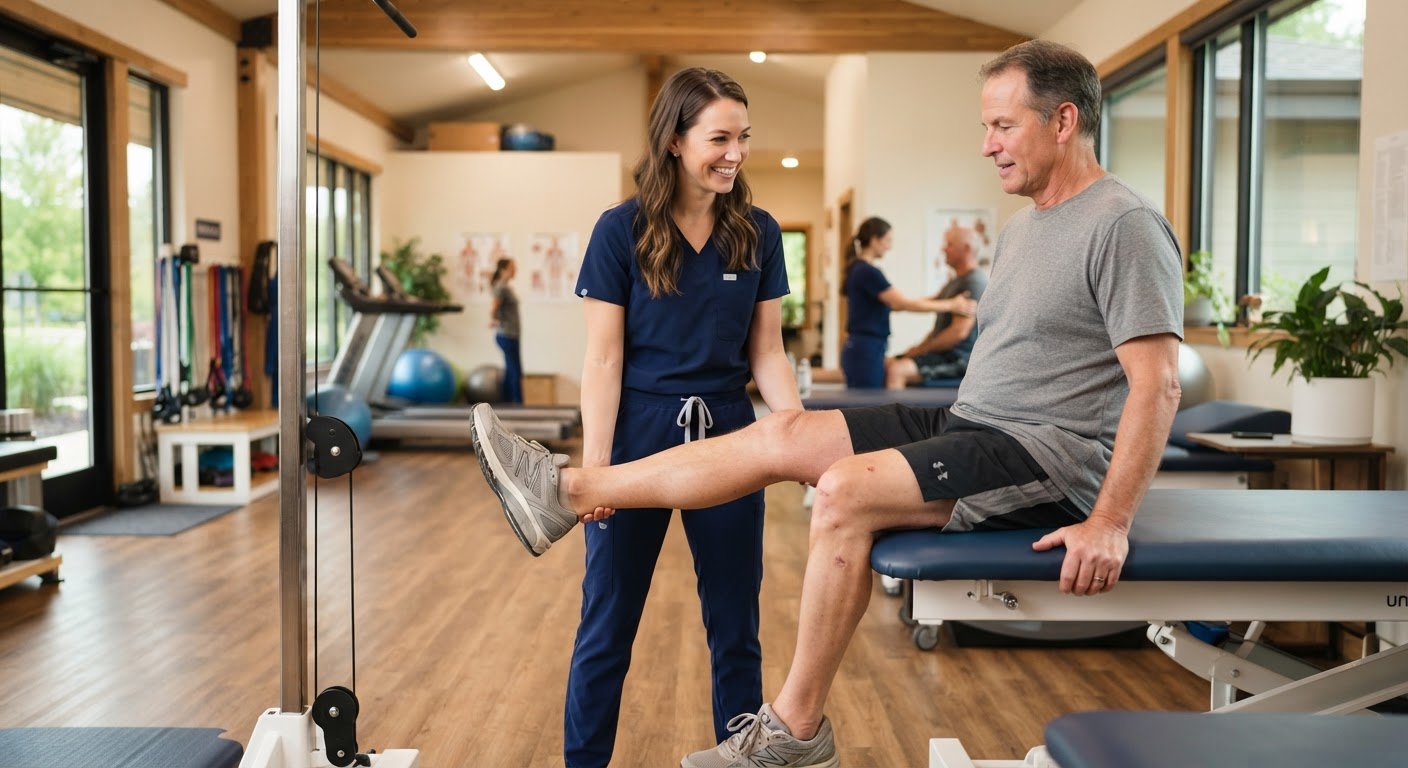
Depending on the procedure, gentle movement may begin soon after surgery. A physical therapist might teach safe ways to get in and out of bed, walk with an assistive device, or perform simple circulation and mobility exercises. These early steps are tailored to your condition and are not a reason to push through sharp or worsening pain.
Keep essential items within reach, wear supportive footwear when walking, and ask for help with tasks that could strain the healing area. Contact your medical team if you have concerns about your symptoms or incision. Seek urgent medical guidance for warning signs identified in your discharge instructions, such as sudden shortness of breath, chest pain, or a concerning change in the surgical area.
Weeks One And Two: Protect And Begin Moving
Early rehabilitation often focuses on safe, controlled movement. Your physical therapist will consider your procedure and surgeon’s restrictions before recommending exercises. Depending on your needs, sessions may include gentle range-of-motion work, walking practice, posture or balance training, and instruction for managing everyday activities.
Some soreness, swelling, or fatigue can occur during recovery, but your therapist can help you understand how to pace activity. Use prescribed pain management strategies as directed by your medical team, and tell your therapist how you feel during and after exercise. Do not change medication or exercise instructions without consulting the appropriate clinician.
A helpful habit is to keep a simple log of your activity, symptoms, and questions. This can help you notice how your body responds and make appointments more productive. Short, planned periods of movement and rest may be easier to manage than trying to complete too much at once.
Weeks Three To Six: Build Mobility And Strength
As healing progresses and you receive clearance, physical therapy may gradually become more active. The focus may shift toward improving joint or soft-tissue mobility, building strength, increasing walking tolerance, and practicing movements needed for home, work, or recreation. Your therapist will adjust the plan based on your progress and any precautions that remain in place.
Consistency is often more useful than intensity. Follow your home exercise program as prescribed, and ask for a demonstration if you are unsure about technique. Avoid adding exercises from online videos or increasing repetitions on your own; an activity that is appropriate after one surgery may not be safe after another.
This stage can include progress that is easy to overlook, such as standing longer, needing less help, or moving with better control. Share these changes with your therapist, along with any setbacks. The goal is steady, safe improvement—not a race to reach a particular date on the calendar.
Six Weeks And Beyond: Return To Everyday Activities
Later rehabilitation may address more demanding goals, such as climbing stairs, carrying items, returning to work, or resuming a sport or hobby. Your program may include functional strengthening, balance exercises, endurance training, and practice with movements specific to your routine. Clearance from your surgeon may be necessary before certain activities.
Recovery can continue for months, especially after complex procedures. Progress may vary from week to week, and a temporary plateau does not automatically mean rehabilitation is failing. Your therapist can reassess your movement and adjust the plan when your needs change. Keep attending follow-up appointments and confirm activity restrictions before making major changes to your routine.
Tips For A Safer Recovery
Follow your surgeon’s precautions and your physical therapist’s instructions. They are specific to your procedure and healing progress.
Make your home easier to navigate. Clear walkways, secure loose rugs, and arrange frequently used items at a comfortable height. Use recommended mobility equipment as instructed.
Balance activity with recovery. Plan rest breaks, avoid sudden increases in exercise, and let your care team know if symptoms are interfering with your program.
Ask questions early. If you are uncertain about a movement, a pain response, or when to resume an activity, check with your therapist or medical provider rather than guessing.
Set practical goals. Focus on achievable steps, such as walking a little farther when cleared or completing a daily task with improved confidence. Small gains can support motivation and long-term progress.
When To Contact Your Care Team
Physical therapy should be guided by your surgical plan, and symptoms deserve attention. Contact your surgeon or healthcare provider if pain, swelling, or other symptoms worsen unexpectedly, or if you have concerns about healing. Your therapist can help you distinguish expected exercise responses from issues that should be discussed with your medical team, but cannot replace medical evaluation.
Start Your Recovery With Support
The right rehabilitation plan can help you regain function, work toward pain relief, and feel more confident as you return to daily life. Physical Therapy NOW™ provides individualized physical therapy focused on your procedure, precautions, and goals. If you are recovering from surgery, visit or call the Palm Harbor location in Palm Harbor, FL to discuss the next step in your recovery and schedule an appointment.
Ready to start feeling better?
Physical Therapy NOW™ has 40+ Florida locations with same-week appointments. Most insurance, auto accident (PIP), workers' compensation and Medicare accepted.