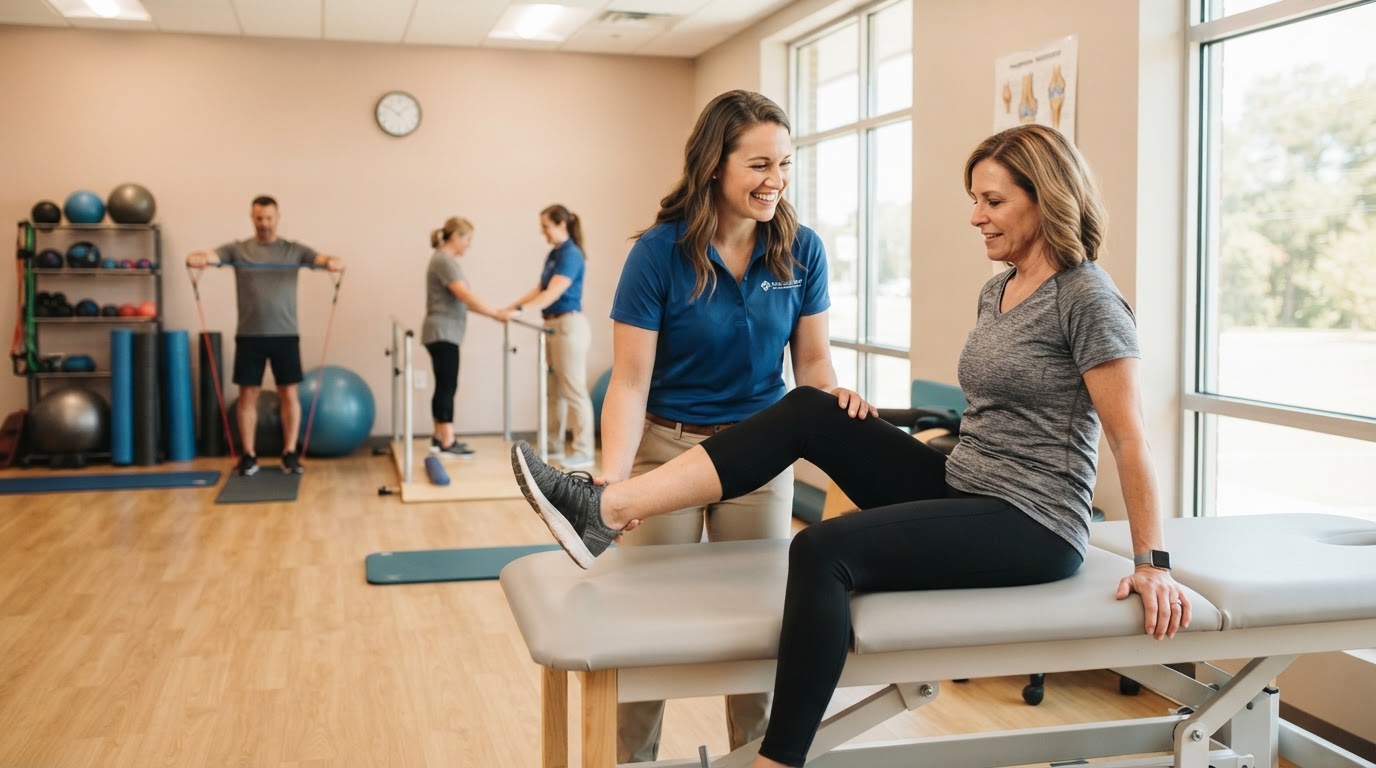
Post-Surgery Physical Therapy Recovery Timeline
Recovery after surgery is a process, not a single milestone. Physical therapy can help you regain movement, build strength, improve daily function, and manage discomfort as your body heals. Your timeline depends on the procedure, your health, your surgeon’s instructions, and how your body responds. Knowing the general stages can help you prepare while keeping expectations realistic.
At Physical Therapy NOW™ in Boca Raton, FL, rehabilitation is guided by your individual goals and medical plan. The outline below is a general guide, not a substitute for instructions from your surgeon or care team. Always follow your procedure-specific precautions, including limits on weight-bearing, movement, and activity.
Before Physical Therapy Begins
If possible, ask your surgeon when therapy should start and whether there are movements or activities to avoid. Some people begin physical therapy soon after surgery, while others need to wait until a follow-up visit or a certain stage of healing. Your therapist may coordinate with your physician to make sure your plan matches your surgical protocol.
Before your first appointment, gather your discharge instructions, medication list, and any information about mobility aids such as crutches or a walker. Make your home easier to navigate by clearing walkways, placing frequently used items within reach, and arranging help with tasks that are difficult or restricted. Wear comfortable clothing that allows the therapist to assess the treated area when appropriate.
The First Days And Weeks
Early rehabilitation often focuses on protecting the surgical site and helping you move safely. Depending on your procedure, your therapist may teach you how to get in and out of bed, use stairs, walk with an assistive device, or perform gentle breathing and circulation exercises. A plan may also include carefully selected range-of-motion activities.
Your therapist will monitor symptoms and adjust activity to your tolerance and your surgeon’s guidance. Some soreness or fatigue can occur as you resume movement, but do not push through sharp, worsening, or unusual pain. Ask your care team how to manage swelling and discomfort, and use ice, elevation, or medication only as directed. Contact your surgeon promptly about concerning symptoms, such as fever, increasing redness or drainage at the incision, sudden significant swelling, or pain that is rapidly worsening. Seek urgent care for emergency symptoms such as chest pain or trouble breathing.
Weeks Two To Six: Building A Foundation
As healing progresses, rehabilitation may gradually address mobility, balance, posture, and basic strength. The exact timing varies widely. After some procedures, movement may be advanced early; after others, restrictions remain in place for several weeks. Your therapist will use your progress and surgical precautions to determine which exercises are appropriate.
Consistency matters more than doing too much at once. Follow your home exercise plan as prescribed, and ask for clarification if an exercise causes unexpected symptoms or you are unsure about your form. Keep a simple record of exercises, walking, pain, and swelling. This can help you and your therapist recognize patterns and make informed adjustments.
Practical tips for this stage include taking short activity breaks instead of staying in one position for a long time, using recommended equipment, and planning rest after appointments. Do not add exercises from online videos or increase resistance without checking with your therapist. A program designed for another person or procedure may not be safe for you.
Weeks Six To Twelve: Strength And Everyday Function
For many people, this phase brings a gradual increase in strength, endurance, coordination, and confidence. Therapy may progress from basic exercises to more challenging movements that relate to daily activities, such as reaching, carrying, standing longer, or walking farther. If your surgery involved a joint or limb, your program may also work on controlled movement and balance. Your surgeon’s protocol still takes priority, and not everyone is ready for the same activities at the same time.
Set practical goals with your therapist, such as walking to a nearby store, returning to a household task, or managing stairs with greater ease. Progress is not always a straight line. A busier day can lead to temporary soreness or fatigue, so communicate changes rather than trying to hide symptoms or abandoning your plan. Your physical therapist can help adjust exercise intensity and support safe pain relief strategies.
Later Recovery And Return To Activities
Some people continue rehabilitation beyond three months, especially after complex procedures or when work, sports, or physically demanding activities are part of the goal. Later sessions may focus on advanced strength, stamina, movement control, and practicing tasks that reflect your needs. Your care team can guide decisions about returning to driving, work, sports, or other activities; do not rely on a calendar alone.
Even after formal appointments become less frequent, keep using the movement and strengthening strategies you have learned. Gradual progress, good technique, adequate rest, and follow-up when symptoms change can help you maintain gains. If recovery feels stalled, tell your therapist. Small modifications may make an exercise more comfortable or help you progress at a safer pace.
What Can Affect Your Timeline
The type and extent of surgery are major factors, but they are not the only ones. Your age, general health, previous activity level, sleep, nutrition, home support, and other medical conditions may influence recovery. Healing can also vary from person to person after the same procedure. Comparing your progress with someone else’s may create unnecessary worry; use your own goals and your care team’s feedback as a guide.
A Supportive Partner In Recovery
Physical therapy works best when it is coordinated with your surgeon’s plan and tailored to your needs. At Physical Therapy NOW™, the West Boca team can help you understand each stage, practice safe movement, and build a rehabilitation plan focused on function and pain relief. If you are preparing for surgery or beginning recovery, contact the West Boca location in Boca Raton, FL, to ask about scheduling and what to bring to your first visit. Call or visit Physical Therapy NOW™ to take a supported next step toward recovery.
Ready to start feeling better?
Physical Therapy NOW™ has 40+ Florida locations with same-week appointments. Most insurance, auto accident (PIP), workers' compensation and Medicare accepted.