Post-Surgery Physical Therapy Recovery Timeline
Recovering from surgery is a gradual process. Physical therapy can help you restore movement, rebuild strength, improve balance, and work toward everyday activities with greater confidence. Your timeline depends on the procedure, your overall health, and your surgeon’s instructions, so recovery should be tailored to you rather than measured against someone else’s progress.
At Physical Therapy NOW™, our team helps patients understand each stage of rehabilitation and make a practical plan for moving forward. Here is a general guide to what recovery may involve and how you can participate safely.
Before Physical Therapy Begins
Your care team may recommend physical therapy before or after surgery, depending on your procedure. Before surgery, a therapist may show you how to use a walker or crutches, practice safe transfers, and learn exercises that may help you prepare. After surgery, your surgeon will advise when it is appropriate to begin and what movements or activities to avoid.
Bring your postoperative instructions, medication list, and any questions to your first visit. Tell your physical therapist about your home setup, work demands, and activities you hope to return to. This information helps shape a plan around your needs and precautions.
The First Days And Weeks
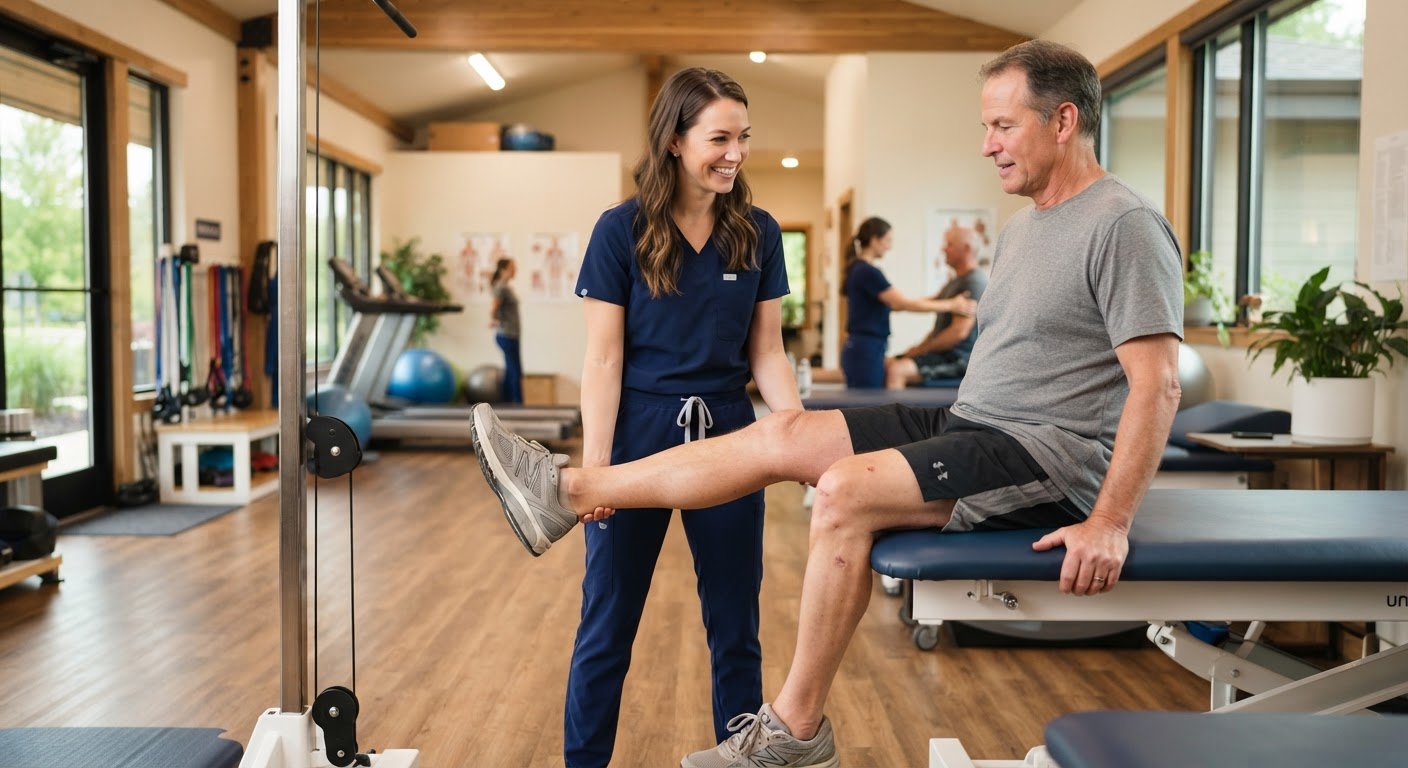
Early rehabilitation often focuses on safety, gentle movement, and managing symptoms. Depending on your surgery, your therapist may guide you through walking, changing positions, basic range-of-motion exercises, or ways to protect the surgical area during daily tasks. Some people begin therapy soon after surgery; others need to wait. Follow your surgeon’s direction.
Mild soreness or fatigue can occur as your body adjusts to movement. Your therapist can help you understand how to pace activity and distinguish expected discomfort from symptoms that need medical attention. Do not push through sharp, worsening, or unusual pain to meet a timeline.
Helpful steps at this stage include keeping pathways clear at home, using prescribed mobility equipment as instructed, and taking short activity breaks rather than attempting too much at once. Follow all wound-care and weight-bearing instructions from your medical team. Contact your surgeon promptly about concerning symptoms such as fever, new or worsening redness or drainage, sudden swelling, chest pain, or difficulty breathing.
Weeks Two Through Six: Building A Routine
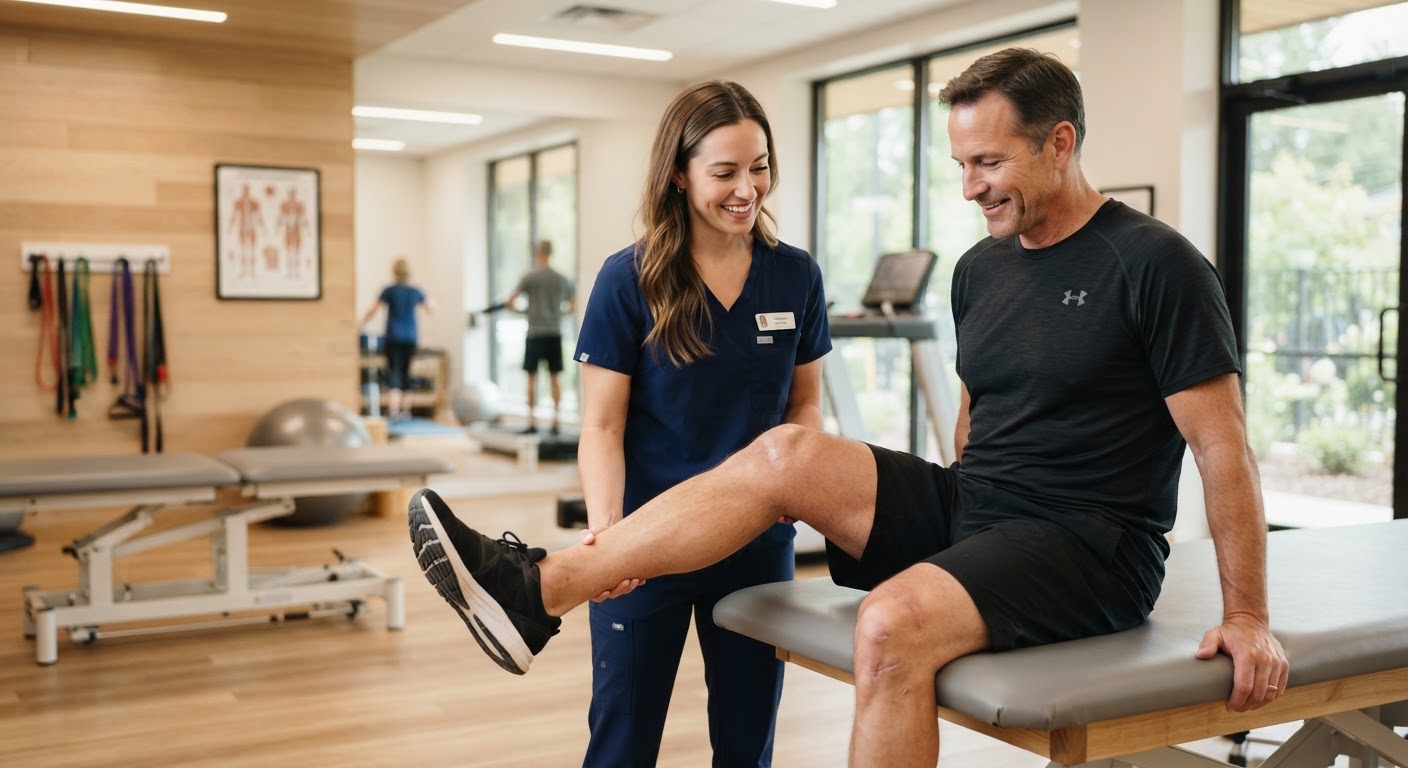
As healing progresses, rehabilitation may shift toward gradually improving flexibility, strength, walking, and coordination. The specific exercises depend on the operation. Your therapist will adjust activity based on your symptoms, movement quality, and surgical precautions. Progress may come in small steps, and some days may feel easier than others.
Consistency matters, but more is not always better. Complete your home exercises as prescribed, use the technique your therapist taught you, and ask before adding exercises or increasing resistance. Keep a simple record of your activity and symptoms. This can help you and your care team spot patterns and make appropriate changes.
To support pain relief, try to balance movement with rest, use only the comfort measures approved by your care team, and avoid comparing your recovery with another person’s experience. Pain management should fit your medical instructions, especially if you take medication or have other health conditions.
Weeks Six Through Twelve: Strength And Function
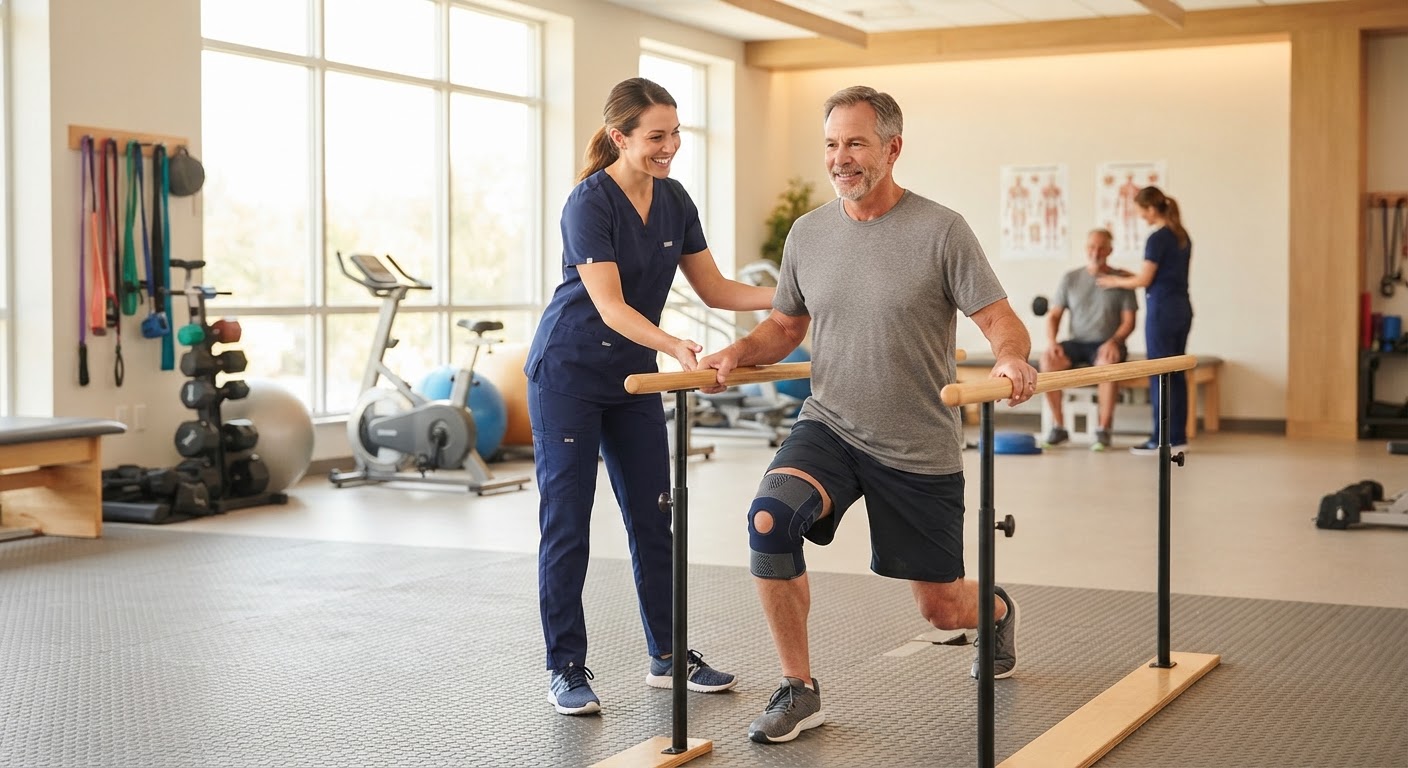
For many patients, this stage emphasizes more challenging strength, balance, endurance, or task-specific training. Therapy may include practicing activities that matter to you, such as climbing stairs, reaching, lifting, or returning to work-related movements. These activities should be introduced progressively and only when cleared for your procedure.
Your therapist may reassess how you move and update your goals. If you are not progressing as expected, that does not automatically mean something is wrong. Healing varies, and your plan may need to change. Share new symptoms, difficulties with your home program, or concerns about returning to daily activities so your therapist can respond appropriately.
Returning To Regular Activities
Returning to driving, work, sports, or heavier household tasks depends on the surgery and your surgeon’s clearance. Feeling better is encouraging, but it does not always mean the tissues are ready for every activity. Ask your surgeon and physical therapist how to build back gradually, and follow any restrictions on lifting, impact, or specific movements.
A safe return usually involves increasing one demand at a time, such as duration or intensity, and checking how your body responds. If symptoms rise significantly or remain worse after activity, contact your therapist for guidance rather than simply stopping all movement or pushing ahead without advice.
Factors That Can Affect Your Timeline
The type and complexity of surgery are major factors, but they are not the only ones. Your age, general health, sleep, nutrition, previous activity level, and support at home may all influence recovery. Following precautions and attending appointments can help your care team monitor progress and address barriers. If transportation, scheduling, or confidence with exercises is difficult, let the clinic know so you can discuss practical options.
Your Next Step Toward Recovery
Post-surgery physical therapy is not a race. A clear plan, regular communication, and appropriately paced exercise can help you regain function while respecting your body’s healing process. Use your surgeon’s instructions as the foundation, and ask questions whenever you are unsure about an activity or symptom.
Physical Therapy NOW™ in Temple Terrace, FL can help you navigate rehabilitation with individualized guidance and practical support. Contact or visit the Temple Terrace location to discuss your recovery goals and schedule an appointment. Start with a conversation about your procedure, your precautions, and the activities you are working toward.
Ready to start feeling better?
Physical Therapy NOW™ has 40+ Florida locations with same-week appointments. Most insurance, auto accident (PIP), workers' compensation and Medicare accepted.