Post-Surgery Physical Therapy Recovery Timeline
Recovering from surgery is a process, not a race. Physical therapy can help you gradually restore movement, rebuild strength, and return to everyday activities with guidance tailored to your procedure and needs. Knowing what the recovery stages may involve can make it easier to set realistic goals and take an active role in rehabilitation.
Every timeline is different. Your surgery, overall health, symptoms, and your surgeon’s instructions all influence when and how you progress. At Physical Therapy NOW™ in Tallahassee, FL, care begins with understanding those factors and coordinating your rehabilitation plan with your medical team when needed.
The First Few Days After Surgery
In the early phase, your priorities are usually protecting the surgical area, following post-operative instructions, and managing symptoms. Your surgeon may recommend limits on movement, lifting, weight bearing, or other activities. These precautions are specific to your procedure, so do not assume that advice for one type of surgery applies to another.
Depending on your condition and medical clearance, your physical therapist may introduce gentle movement, safe positioning, breathing strategies, or instruction for getting in and out of bed. For some surgeries, walking short distances with an assistive device is encouraged early; for others, movement may need to be more limited. Follow your care team’s directions rather than pushing through pain or attempting exercises you have not been cleared to do.
Helpful steps during this phase may include keeping follow-up appointments, taking medication only as prescribed, and arranging your home to reduce unnecessary reaching or tripping hazards. Contact your surgeon if you notice concerning changes such as increasing redness, drainage, fever, or pain that is rapidly worsening. Seek urgent medical care for emergency symptoms.
Weeks One To Two: Safe Movement And Early Rehabilitation
Once your surgeon allows it, physical therapy may focus on comfortable, controlled movement and basic functional tasks. Your therapist can assess how you move, review precautions, and teach exercises that fit your stage of healing. The goal is not to do as much as possible. It is to do the appropriate amount consistently and safely.
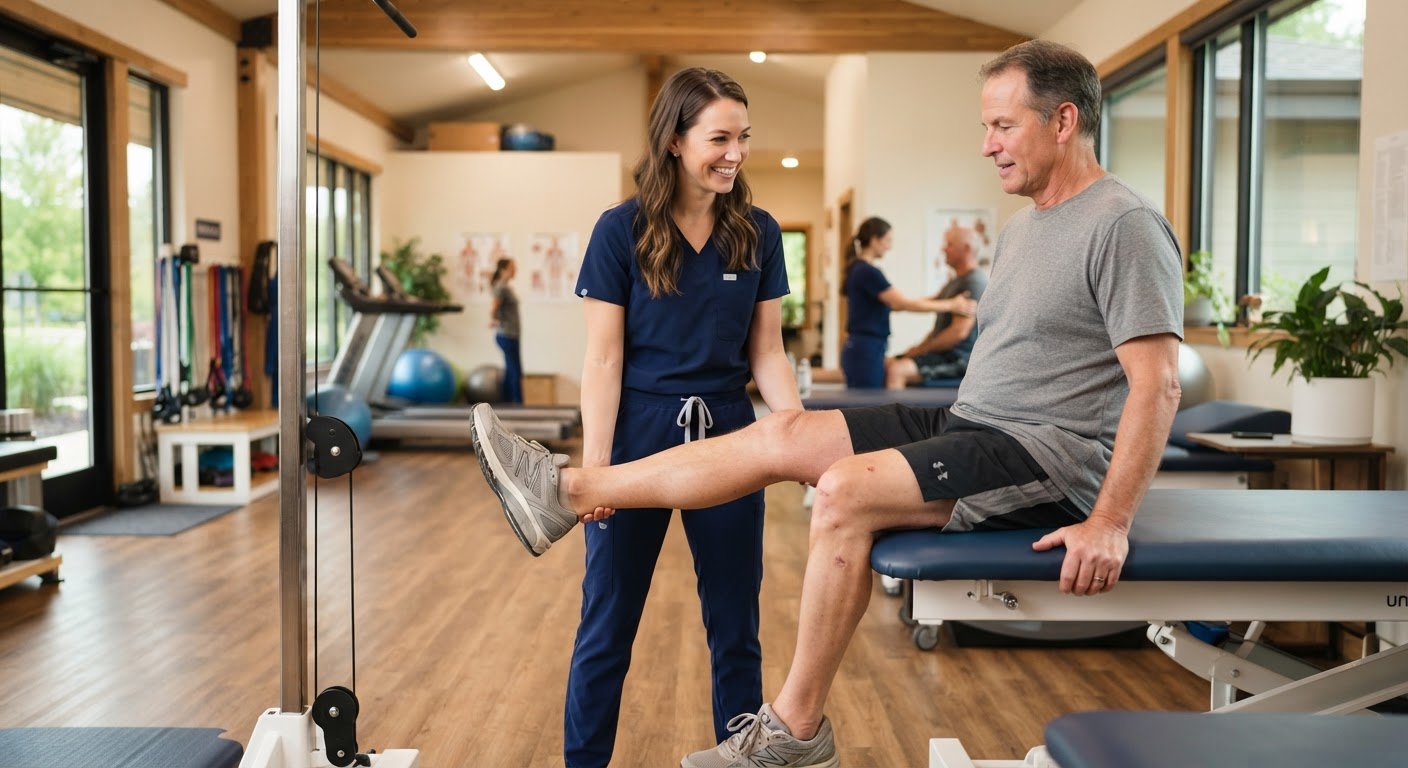
You may practice walking, gentle range-of-motion exercises, or techniques for daily activities, depending on your surgery. A therapist can also help you use crutches, a walker, or another prescribed device correctly. If swelling or discomfort is part of your recovery, your care team can explain suitable positioning and symptom-management strategies.
Keep a simple record of your activity and symptoms. Note what feels manageable, what increases discomfort, and how long it takes for symptoms to settle. Share that information at your appointments. It can help your therapist adjust your plan and identify when an activity may need to be modified.
Weeks Three To Six: Building Mobility And Strength
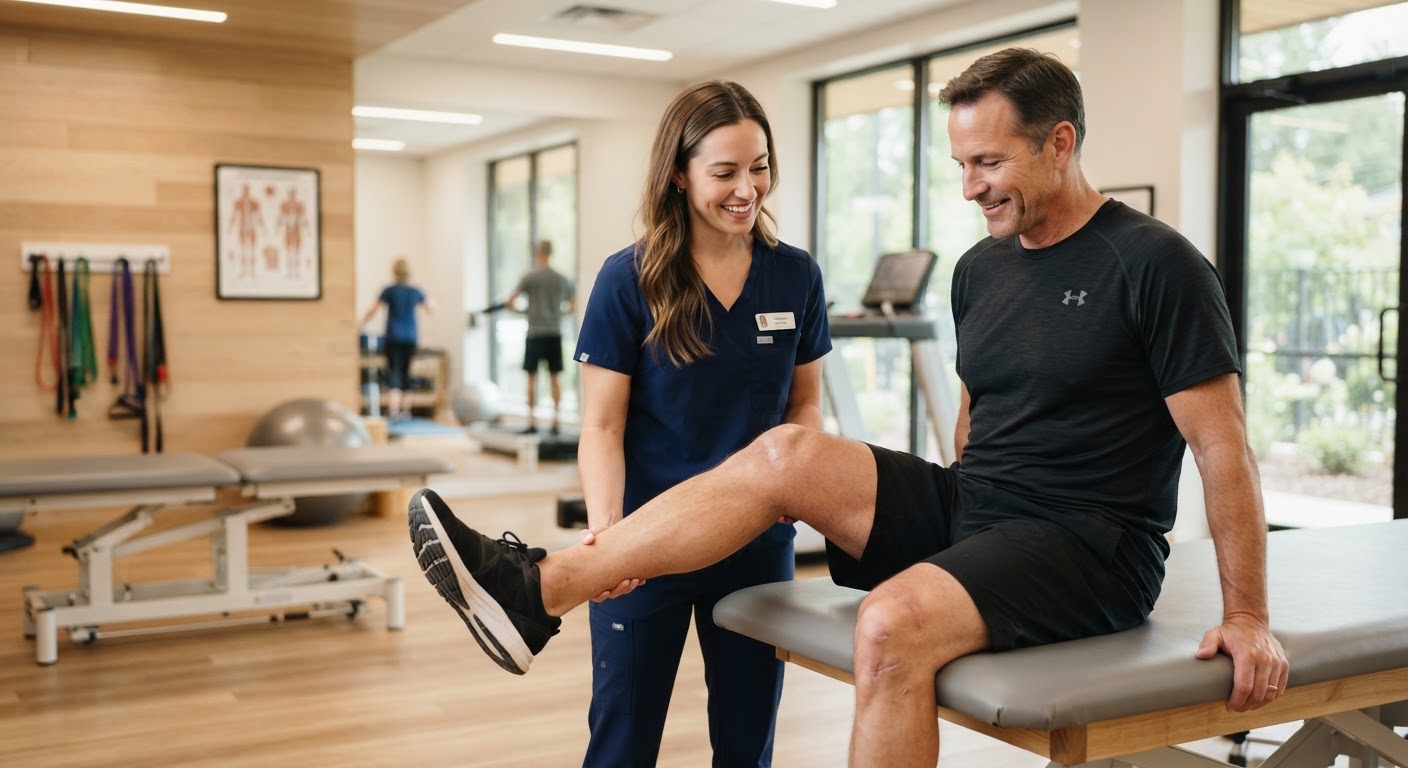
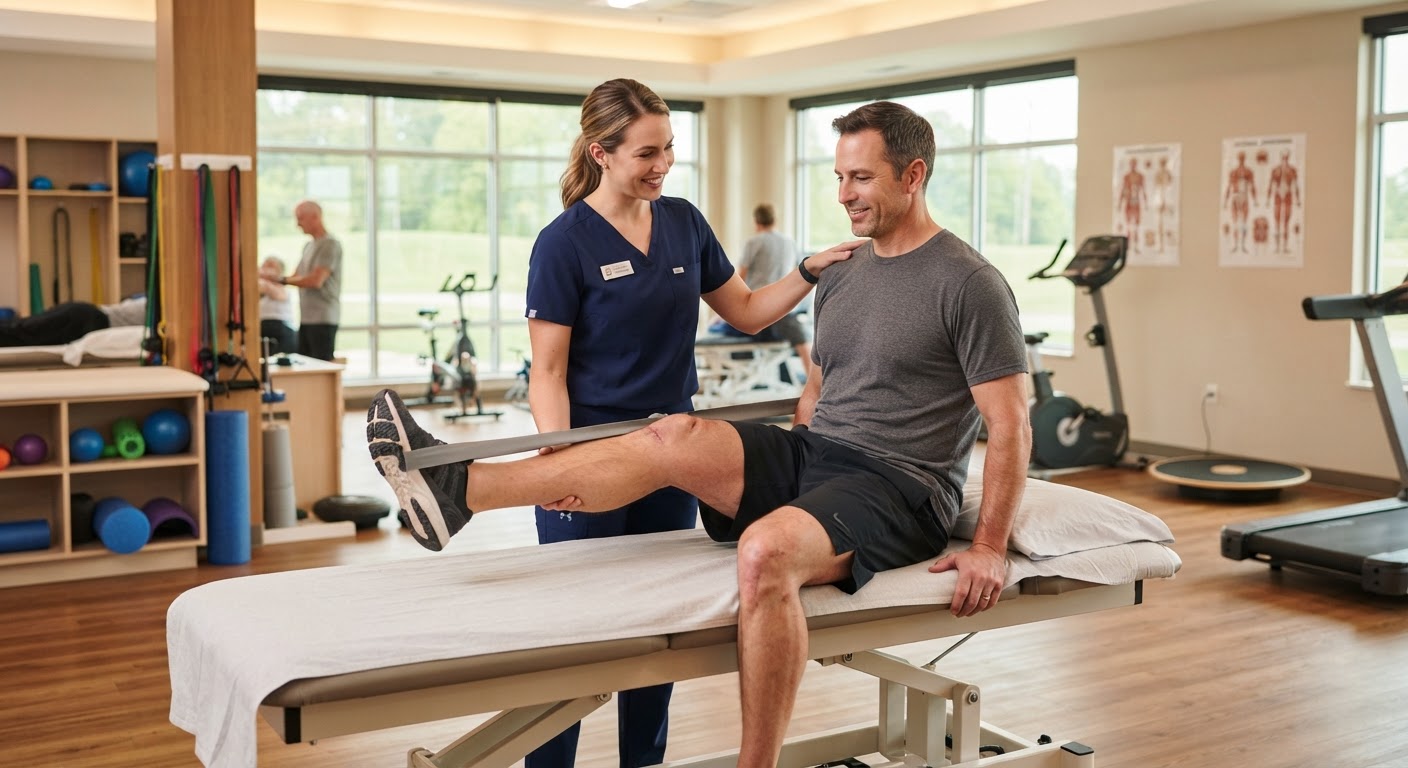
As healing progresses and restrictions change, rehabilitation often becomes more active. Your program may gradually add flexibility work, balance activities, and strengthening exercises. The specific exercises and timing depend on the procedure and your surgeon’s protocol. After joint surgery, for example, restoring comfortable movement may be a priority, while other procedures may require continued protection before strengthening begins.
Progress should be gradual. Your therapist may adjust repetitions, resistance, or activity duration based on your movement quality and response. Mild, temporary soreness can sometimes occur with increased activity, but sharp, escalating, or persistent pain should be discussed with your therapist or surgeon. Pain relief is not about ignoring symptoms; it is about finding safe ways to improve comfort while supporting recovery.
At home, follow your prescribed exercise plan rather than adding extra exercises from online videos or advice meant for someone else. Take breaks when needed, and balance activity with rest. If you are unsure whether an activity is appropriate, ask before trying it.
Weeks Six To Twelve: Returning To Everyday Activities
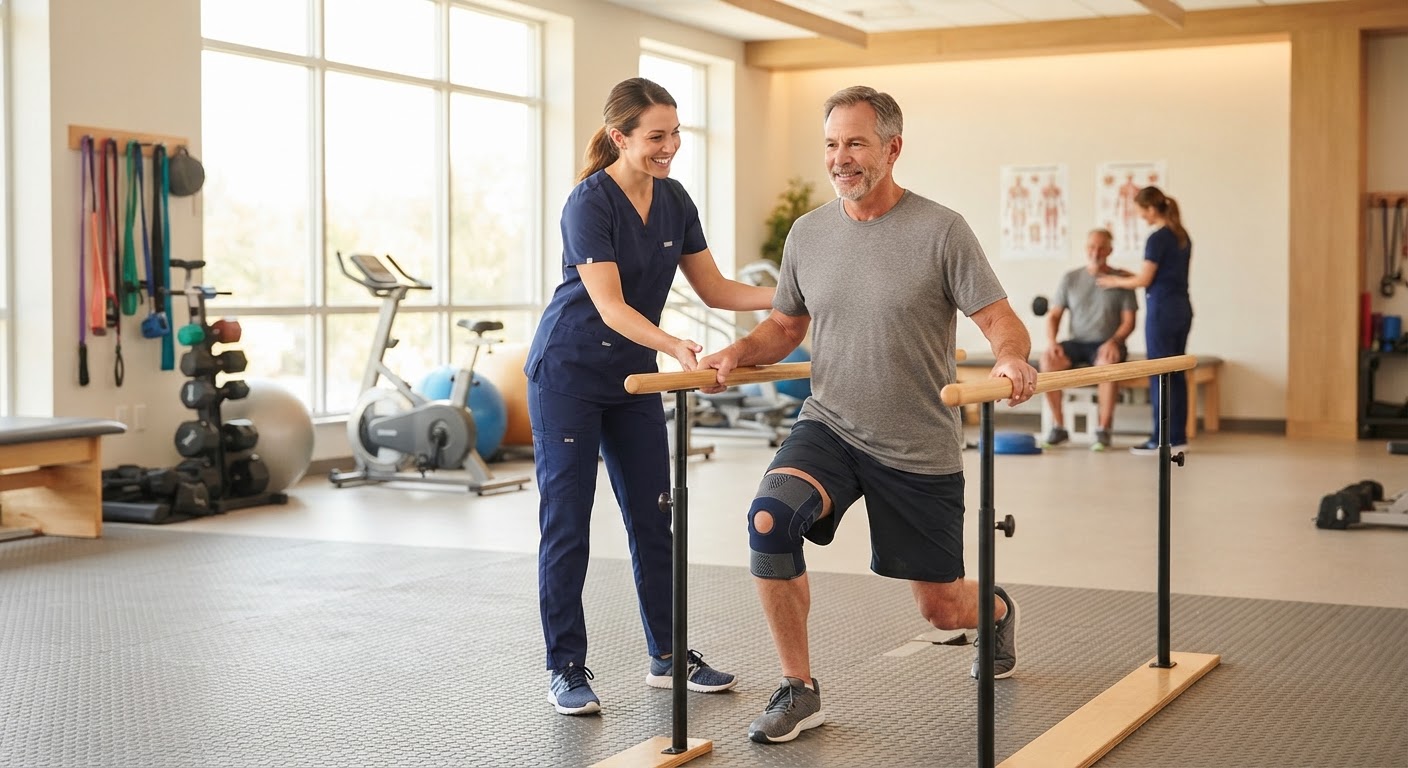
For many people, this stage brings more emphasis on strength, coordination, stamina, and confidence with daily tasks. You may work toward activities such as climbing stairs, carrying light items, or spending more time on your feet. Higher-demand tasks, sports, or physically demanding work may require additional preparation and medical clearance.
Your therapist can help measure progress and identify areas that still need attention. Improvements are not always perfectly steady. A busy day, poor sleep, or a change in routine may temporarily affect how you feel. Rather than judging recovery by a single session, look at patterns over time and communicate openly about setbacks or concerns.
Beyond Three Months: Long-Term Progress
Some people meet many functional goals within a few months, while others need a longer course of rehabilitation. Certain operations have restrictions that extend beyond this period, and some activities require a gradual return even after everyday movement feels easier. Your surgeon and physical therapist can help determine when it is appropriate to advance your routine.
Continuing a safe home program after formal visits end can help maintain strength and mobility. Ask your therapist which exercises are most important and how to progress them. If symptoms return or your function changes, check in with your care team rather than simply stopping all activity or pushing harder.
Tips For A Smoother Recovery
Follow your surgeon’s precautions and keep your physical therapy appointments. Bring an updated medication list and any questions to visits. Wear comfortable clothing that allows access to the treatment area, and use assistive devices as instructed. Set small, practical goals, such as walking to a nearby room or completing a daily routine with less assistance. Celebrate steady progress while allowing time for healing.
Make your home recovery-friendly by clearing walking paths and placing frequently used items within easy reach. Ask family or friends for help with tasks that conflict with your restrictions. Consistent sleep, hydration, and balanced meals can also support general well-being during recovery.
Start Your Recovery With A Plan
A clear, individualized plan can make post-surgery rehabilitation feel more manageable. Physical Therapy NOW™ provides physical therapy support for people recovering from surgery at its Tallahassee location, with care shaped around your goals, procedure, and medical guidance. If you are preparing for surgery or have already begun recovery, visit or call the Tallahassee location to ask about getting started. Your care team can help you take the next safe step toward better movement and function.
Ready to start feeling better?
Physical Therapy NOW™ has 40+ Florida locations with same-week appointments. Most insurance, auto accident (PIP), workers' compensation and Medicare accepted.