Post-Surgery Physical Therapy Recovery Timeline
After surgery, it is natural to wonder when you will feel better, move more comfortably, and return to your usual activities. Recovery is a process, not a single milestone. The timeline depends on the procedure, your overall health, your goals, and how your body responds. Physical therapy can help you rebuild movement and strength safely while supporting pain relief and everyday function.
At Physical Therapy NOW™ in Tallahassee, FL, care is shaped around your surgery and your surgeon’s instructions. The stages below offer a general guide, not a promise of when you will reach a particular goal. Follow the plan provided by your medical team, and ask questions whenever something feels unclear.
The First Days After Surgery
In the first few days, your priorities are usually protecting the surgical area, managing symptoms, and following instructions for safe movement. Your surgeon may recommend specific precautions, medication, wound care, or limits on putting weight through a limb. These directions take priority over any general exercise advice.
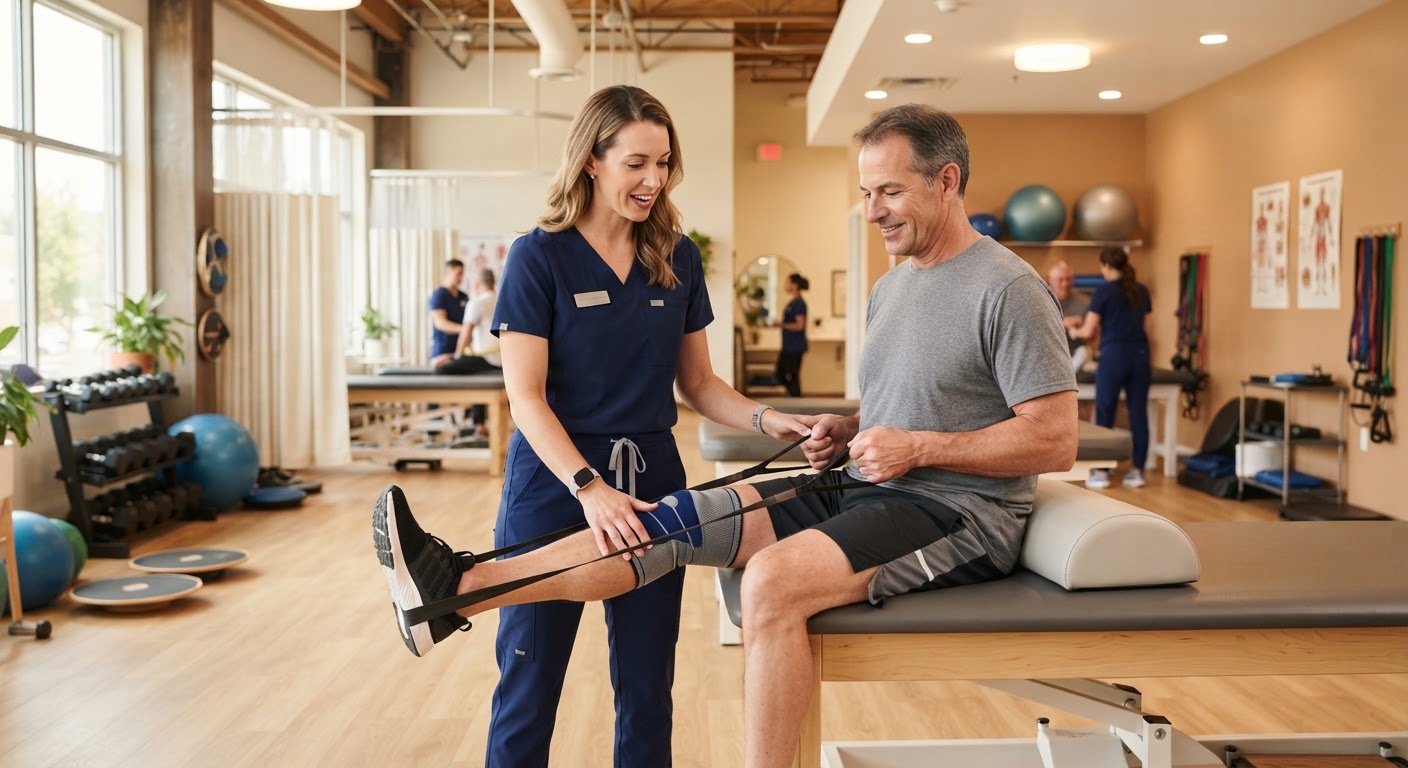
Depending on your procedure, a physical therapist may see you in the hospital, at home, or in an outpatient clinic. Early sessions may focus on safe transfers, walking with an assistive device, gentle breathing or circulation activities, and learning how to move without stressing the healing area. Even small, approved movements can be an important first step.
Use your prescribed mobility aid until your medical team says it is safe to change. Keep pathways at home clear, wear supportive footwear, and arrange commonly used items within easy reach. If you have new or worsening symptoms, contact your surgeon or care team rather than trying to push through them.
Weeks One To Three: Restoring Basic Movement
During the early weeks, therapy often emphasizes comfortable, controlled movement and practical tasks such as standing, walking, or getting dressed. Your therapist may introduce exercises selected for your procedure and current stage of healing. The goal is not to do as much as possible; it is to do the right amount consistently and safely.
Some soreness or fatigue can occur as activity increases, but the pattern and intensity matter. Keep track of how you feel during an activity and afterward. If pain rises sharply, swelling changes significantly, or symptoms do not settle as expected, pause and ask your therapist or surgeon for guidance. Do not add exercises from online videos or increase repetitions without checking that they fit your post-operative precautions.
A helpful routine is to plan activity and rest across the day rather than completing everything at once. Follow instructions for icing, elevation, or other symptom-management strategies if they have been recommended for you. Physical therapy can also help you learn ways to move that reduce unnecessary strain while you heal.
Weeks Three To Six: Building Strength And Confidence
As healing progresses, your rehabilitation plan may gradually include more range-of-motion work, balance activities, and strengthening. The pace depends on the operation and your surgeon’s protocol. For some procedures, protecting tissue remains the main priority; for others, steadily restoring movement may take a larger role.
Your therapist will assess how you are moving and adjust your program as needed. Progress may show up as walking a little farther, managing stairs with better control, or completing daily tasks with less assistance. These functional gains are meaningful, even if you are not yet back to your previous routine.
To support progress, attend appointments consistently, complete only the home exercises you have been prescribed, and share honest feedback about pain, fatigue, and concerns. A simple recovery log can help you notice patterns and give your therapist useful information. Avoid comparing your pace with someone else’s; different surgeries and individual circumstances create different timelines.
Six Weeks And Beyond: Returning To Daily Activities
Later rehabilitation often focuses on improving strength, endurance, coordination, and confidence for the activities that matter to you. This might include returning to work duties, household tasks, recreation, or sport. Your therapist can help break larger goals into manageable steps and identify what needs to improve before you safely increase demands.
Being cleared for one activity does not always mean you are ready for every activity. Follow your surgeon’s guidance about driving, lifting, work, and exercise. Gradual increases are generally more manageable than sudden jumps in duration or intensity. If a new activity causes a lasting increase in symptoms, tell your care team and discuss whether the plan needs adjustment.
What Can Affect Your Timeline
Recovery varies with the type and extent of surgery, the condition being treated, your general health, and any complications. Sleep, nutrition, stress, and support at home can also affect how manageable rehabilitation feels. Some people make steady progress, while others encounter pauses or need changes to their plan. A slower week does not automatically mean you have failed or that recovery has stopped.
Clear communication helps your care team respond to changes. Contact your surgeon promptly about concerning symptoms, including those identified in your discharge instructions. Seek urgent care for emergency symptoms. Your physical therapist can help with movement and exercise questions, but does not replace your surgeon’s medical guidance.
Make Your Recovery Plan Personal
A useful post-surgery plan should reflect your procedure, precautions, symptoms, and personal goals. Physical Therapy NOW™ works with patients at its Tallahassee location to provide individualized physical therapy and rehabilitation guidance as recovery moves forward. Bring your discharge instructions, a list of medications, and questions about activities you hope to resume. Together with your medical team, your therapist can help you understand the next steps and work toward safe, lasting pain relief.
If you are preparing for surgery or have recently had a procedure, contact or visit Physical Therapy NOW™ in Tallahassee, Florida, to discuss your rehabilitation needs. Call the Tallahassee location to ask about getting started and take a practical step toward moving with greater comfort and confidence.
Ready to start feeling better?
Physical Therapy NOW™ has 40+ Florida locations with same-week appointments. Most insurance, auto accident (PIP), workers' compensation and Medicare accepted.