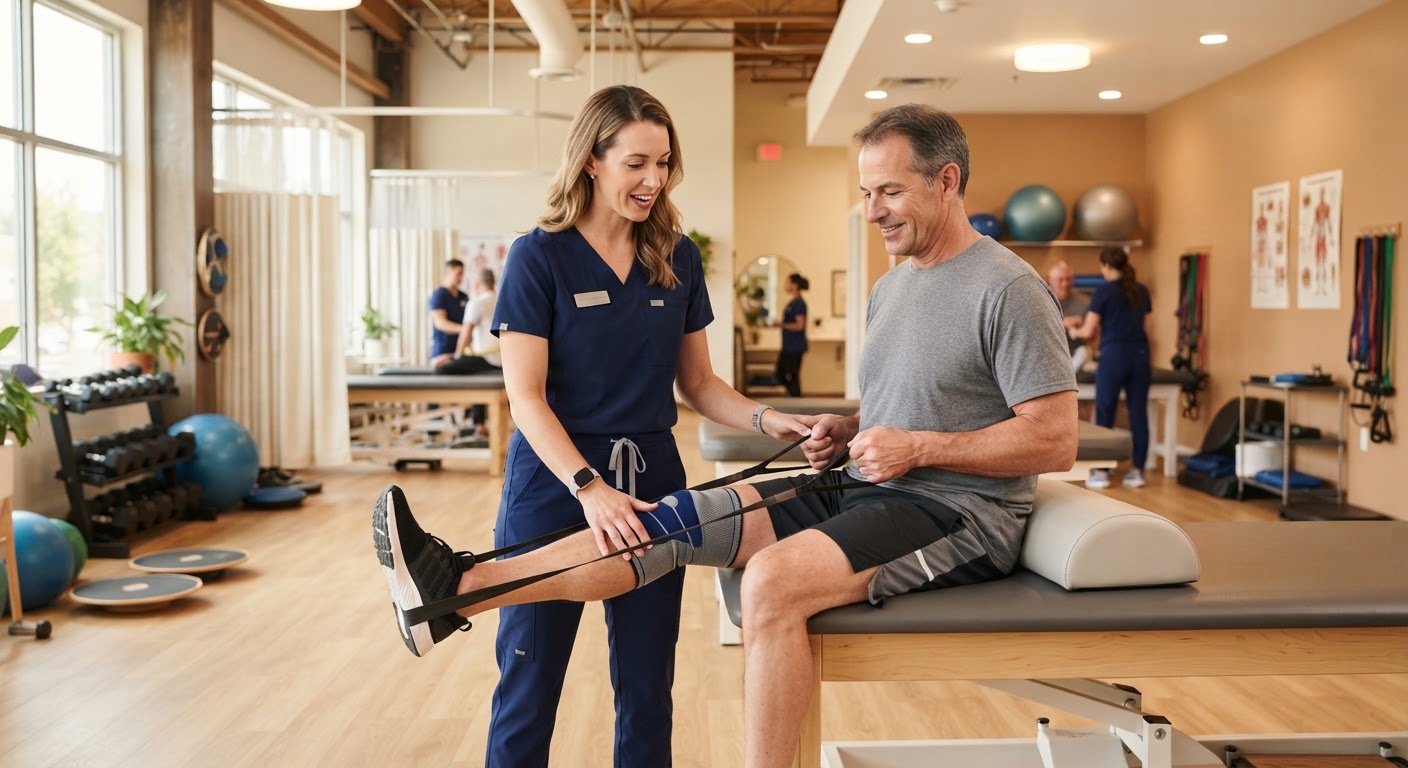
Post-Surgery Physical Therapy Recovery Timeline
Recovering after surgery is a gradual process, and physical therapy can help you move safely toward your daily activities and personal goals. Your timeline depends on the procedure, your overall health, your surgeon’s instructions, and how your body responds. There is no single schedule that fits everyone. A physical therapist works with your healthcare team and adjusts rehabilitation as your abilities change.
At Physical Therapy NOW™ in Orlando, patients can receive guidance tailored to their surgery and recovery goals. Understanding the general stages of recovery can help you prepare, ask useful questions, and stay engaged without rushing your progress.
Before Physical Therapy Begins
Your surgeon will let you know when it is appropriate to begin physical therapy and what restrictions to follow. Some people start gentle movement soon after surgery, while others need a period of protection before beginning certain exercises. Your plan may limit how much weight you can place on a limb, how far you can bend a joint, or which movements you should avoid.
Before your first appointment, gather your discharge instructions and medication list. Write down questions about pain, swelling, walking, sleep, and activities at home. Tell your therapist about any changes in symptoms and any challenges you face, such as stairs or getting in and out of a car. Clear communication helps your care team adapt the plan to your needs.
The Early Phase: Protect And Begin Moving
In the first days or weeks, the priorities are usually protecting the surgical area, managing symptoms, and beginning safe movement when approved. Your therapist may teach you how to position the affected area, use an assistive device, perform gentle mobility exercises, or complete basic tasks with less strain. The exact activities depend on your procedure and medical precautions.
Pain relief is an important part of recovery, but some discomfort can occur as you begin moving. Exercise should follow the guidance of your surgeon and therapist. Do not push through sharp, sudden, or worsening pain. Contact your healthcare provider if you have concerning symptoms or if your instructions say to report a particular change. Your therapist can help you understand how to pace activity and distinguish expected effort from symptoms that need attention.
At home, follow your prescribed exercise plan rather than adding extra repetitions on your own. Take short movement breaks if you have been sitting for a long time, when permitted, and use any recommended mobility equipment as instructed. Keep walkways clear and place frequently used items within easy reach to reduce unnecessary strain.
The Middle Phase: Restore Mobility And Strength
As healing progresses and your care team updates your precautions, rehabilitation may focus more on restoring range of motion, balance, coordination, and strength. Your therapist may gradually increase the challenge of exercises and help you practice activities that matter to you, such as walking farther, reaching overhead, or returning to household tasks.
Progress is not always perfectly steady. You may feel stronger one week and more tired the next, especially after increasing activity. Share these changes with your therapist. They can adjust the exercise dose, provide strategies for pacing, and help you build consistency without overloading the healing area.
A few habits can support this phase. Follow your home exercise schedule as prescribed, and ask for a demonstration if you are unsure about technique. Keep a simple note of your exercises, activity level, and symptoms so you can discuss patterns at appointments. Prioritize sleep, hydration, and balanced meals, and follow your medical team’s guidance for wound care and medication. These steps do not replace therapy, but they can help you stay organized as you recover.
The Later Phase: Return To Daily Activities
Later rehabilitation often prepares you for more demanding tasks and a safe return to work, recreation, or exercise. Depending on your procedure, therapy may include more advanced strengthening, endurance work, movement practice, or training for job-specific tasks. Your therapist can help you identify reasonable progressions and make a plan for continuing activity after supervised visits become less frequent.
Being cleared for one activity does not necessarily mean you are ready for every activity. Ask your surgeon or therapist before returning to lifting, driving, sports, or strenuous exercise. Readiness may depend on healing, strength, movement quality, and the specific demands of the activity. Gradual increases are generally more manageable than trying to make up for lost time in a single workout.
What Can Affect Your Timeline
Recovery can vary based on the type of surgery, the condition being treated, age, general health, previous activity level, and whether complications occur. Your home environment, work demands, and ability to attend appointments may also shape your plan. A physical therapist can set short-term goals, track changes, and communicate concerns to your surgeon when needed.
If progress feels slower than expected, that does not automatically mean something is wrong. Bring your concerns to your care team instead of comparing your recovery with someone else’s. Seek guidance promptly if symptoms change in a way your discharge instructions identify as urgent or concerning. Your medical team is the right resource for evaluating new or worsening symptoms.
Make Your Recovery A Team Effort
The most useful recovery timeline is one designed around your procedure, precautions, and goals. Physical therapy supports safe movement, progressive rehabilitation, and practical strategies for returning to everyday life. Following instructions, communicating openly, and staying consistent with your individualized plan can help you make steady progress.
Physical Therapy NOW™ offers post-surgery physical therapy at its Orlando location in Orlando, FL. If you are preparing for surgery or have questions about getting started after a procedure, visit or call the Physical Therapy NOW™ Orlando location to discuss your needs and take the next step toward recovery.
Ready to start feeling better?
Physical Therapy NOW™ has 40+ Florida locations with same-week appointments. Most insurance, auto accident (PIP), workers' compensation and Medicare accepted.