Post-Surgery Physical Therapy Recovery Timeline
Recovering from surgery is a process, not a race. Physical therapy can help you regain movement, rebuild strength, manage discomfort, and return to daily activities with greater confidence. Your recovery timeline depends on the procedure, your overall health, your surgeon’s instructions, and how your body responds to rehabilitation.
At Physical Therapy NOW™ in Orlando, FL, therapists tailor care to your goals and your medical team’s guidance. Understanding the general stages of recovery can help you know what to expect while remembering that your plan should always be specific to you.
The First Days After Surgery
Early recovery often focuses on protecting the surgical area and following your surgeon’s precautions. Depending on your procedure, your care team may recommend rest, wound care, medication, ice, elevation, or limited weight-bearing. Some people begin gentle movement or physical therapy soon after surgery, while others need more time before starting. Follow the instructions you were given rather than comparing your progress with someone else’s.
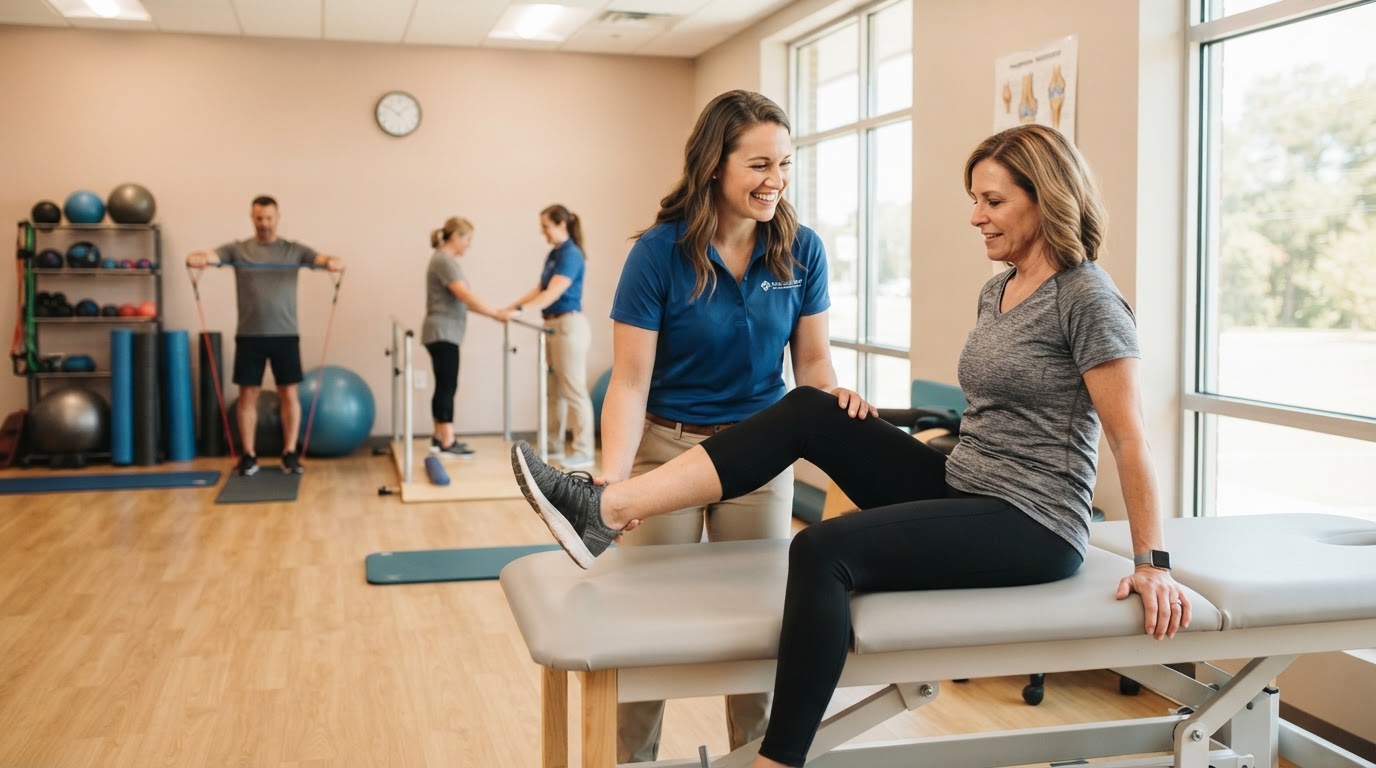
If therapy has been prescribed, your physical therapist may review safe ways to move, get in and out of bed, use an assistive device, or perform basic exercises. The goal is to support circulation and comfortable movement without placing unnecessary stress on healing tissues. Ask questions whenever an activity or precaution is unclear.
Weeks One To Three: Gentle Movement And Everyday Skills
In the early weeks, rehabilitation typically emphasizes managing swelling and pain, protecting the surgical site, and gradually restoring movement. The exact exercises and limits vary widely. After some procedures, range-of-motion work may be important early on. After others, movement may need to be restricted for a set period.
Your therapist can help you practice practical tasks such as walking safely, climbing stairs, dressing, or returning to light household activities. Keep the activity level within the guidance provided by your surgeon and therapist. Short, manageable periods of movement may be easier to tolerate than trying to do too much at once.
A useful habit is to track how you feel during and after activity. Note changes in pain, swelling, energy, and sleep, and share them at your appointments. Some soreness can occur as activity increases, but worsening symptoms or concerns about your incision should be discussed with your healthcare team.
Weeks Three To Six: Building Mobility And Strength
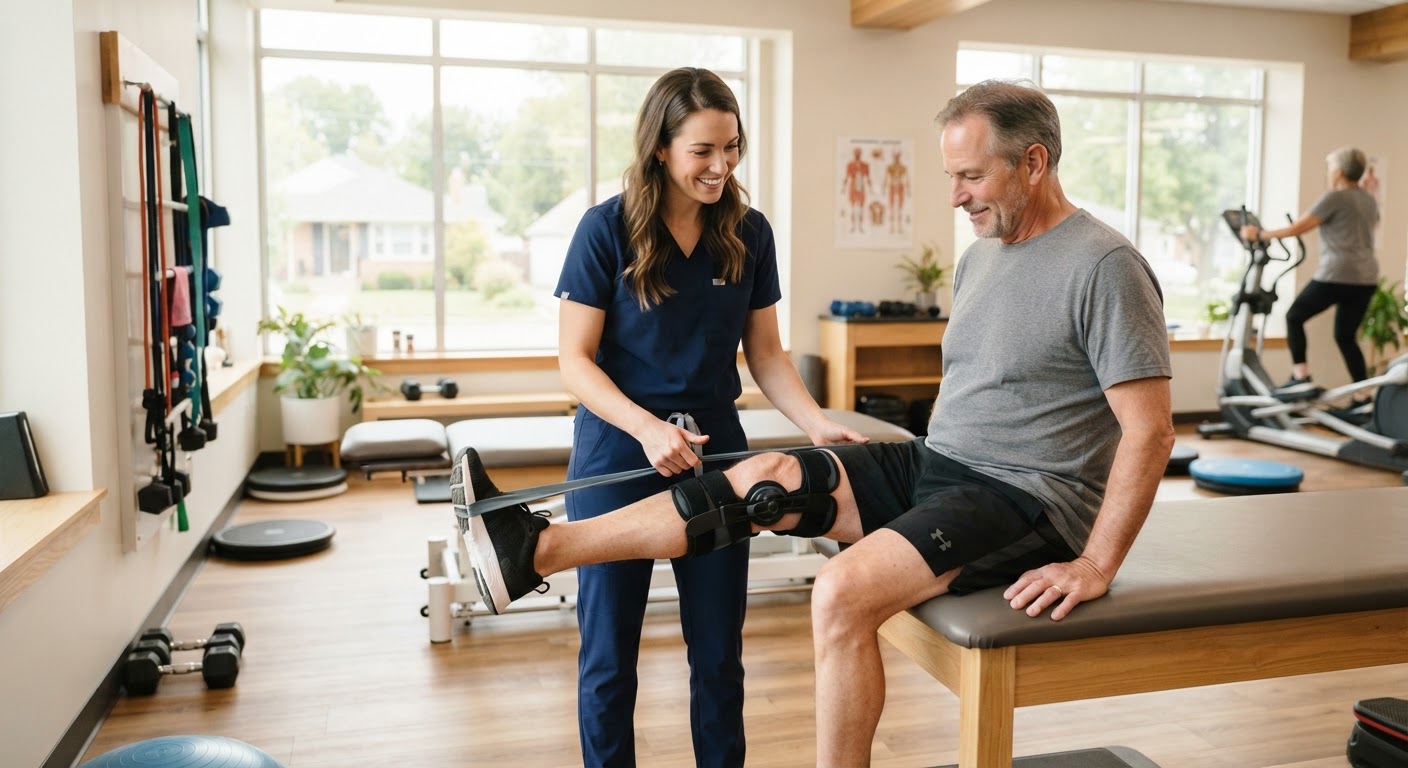
As healing progresses, your therapist may adjust your program to improve flexibility, balance, coordination, and strength. Progress is usually gradual. You may increase repetitions, add resistance, or practice more challenging movements only when your therapist confirms they are appropriate for your surgery and current stage of healing.
This phase can feel encouraging because daily tasks may become easier. It can also be frustrating if progress seems uneven. Recovery is rarely a straight line: sleep, stress, other health conditions, and the demands of daily life can affect how you feel from one day to the next. Consistency with your approved home program is generally more useful than occasional intense effort.
Six Weeks And Beyond: Returning To More Demanding Activities
For many people, later rehabilitation focuses on preparing for work, recreation, exercise, or other activities that require greater strength and endurance. This stage may continue for several months, depending on the procedure and your goals. Your therapist can help you rebuild capacity step by step and identify movement strategies that support safe participation.
Do not use a calendar date alone to decide when to return to lifting, sports, driving, or strenuous exercise. Clearance may depend on healing, strength, range of motion, balance, pain levels, and the specific demands of the activity. Confirm restrictions with your surgeon and therapist before resuming activities that could place stress on the surgical area.
Practical Ways To Support Recovery
Follow your post-operative instructions, including any limits on movement, lifting, or weight-bearing. If instructions seem to conflict or are difficult to follow, contact your surgeon’s office or therapy team for clarification.
Attend scheduled physical therapy visits and complete only the home exercises prescribed for you. Avoid adding online exercises or pushing through significant pain without professional guidance. A personalized program helps match activity to your procedure and healing stage.
Plan ahead for daily tasks. Keep frequently used items within easy reach, arrange help with chores when needed, and use recommended mobility equipment. Staying hydrated, eating regular balanced meals, and prioritizing sleep can also support your general well-being during recovery.
Communicate openly about pain relief. Your therapist can discuss positioning, pacing, and other movement strategies that may make activity more comfortable, while medication questions should go to your prescribing clinician. Contact your medical team promptly if you notice new or worsening symptoms, concerns about the incision, or any changes your discharge instructions identify as urgent.
Why Individualized Physical Therapy Matters
A recovery timeline is a guide, not a guarantee. Two people with the same procedure may progress differently, and even one person’s recovery can change over time. Physical therapy offers a structured way to monitor progress, adapt exercises, address movement challenges, and work toward meaningful goals while respecting medical precautions.
At Physical Therapy NOW™, your care plan can be shaped around your procedure, your surgeon’s recommendations, and the activities you hope to resume. The Orlando location serves people looking for practical rehabilitation support and individualized guidance through the stages of recovery.
Take The Next Step In Your Recovery
You do not have to navigate post-surgery recovery alone. If you are preparing for a procedure or have already begun healing, contact Physical Therapy NOW™ in Orlando, FL, to ask how physical therapy may support your rehabilitation and pain relief goals. Visit or call the Orlando location to discuss your needs and take a confident, appropriately paced next step.
Ready to start feeling better?
Physical Therapy NOW™ has 40+ Florida locations with same-week appointments. Most insurance, auto accident (PIP), workers' compensation and Medicare accepted.