Post-Surgery Physical Therapy Recovery Timeline
Recovery after surgery is a gradual process. Physical therapy can help you rebuild movement, strength, balance, and confidence while supporting your return to everyday activities. The timeline varies widely depending on the procedure, your health, and your surgeon’s instructions, so there is no single schedule that fits everyone.
At Physical Therapy NOW™ in Lake Worth, FL, your rehabilitation plan is tailored to your surgery and your goals. Understanding the general stages of recovery can help you know what to expect, prepare useful questions, and take an active role in your progress.
Your Surgeon’s Plan Comes First
Before beginning or changing exercises, follow the guidance of your surgeon and physical therapist. The timing of movement, weight-bearing, wound care, and exercise depends on the tissues involved and the way they were repaired. For example, recovery after a joint replacement may differ from recovery after a tendon repair or abdominal surgery.
Your care team may provide precautions, such as limiting how far a joint can move or how much weight you can place on a limb. These directions are part of your treatment, not obstacles to progress. Bring your discharge instructions and any questions to your physical therapy visits, and tell your therapist about changes in symptoms or medication.
The First Days After Surgery
In the early phase, the priorities are usually protecting the surgical area, managing symptoms, and beginning safe movement as approved by your care team. Your therapist may teach you how to get in and out of bed, use a walker or crutches, move around your home, or perform simple circulation and mobility exercises.
Some soreness, swelling, and fatigue can be expected after surgery, but your experience will depend on the procedure. Follow your medical team’s instructions for pain relief, ice or other symptom-management methods, and rest. Avoid adding exercises or pushing through sharp, worsening, or unusual pain without checking with your care team.
Helpful steps at home may include keeping frequently used items within easy reach, clearing trip hazards, wearing supportive footwear, and asking for help with tasks that are not yet safe. Short, approved movement breaks may be more manageable than trying to do too much at once.
The Early Rehabilitation Phase
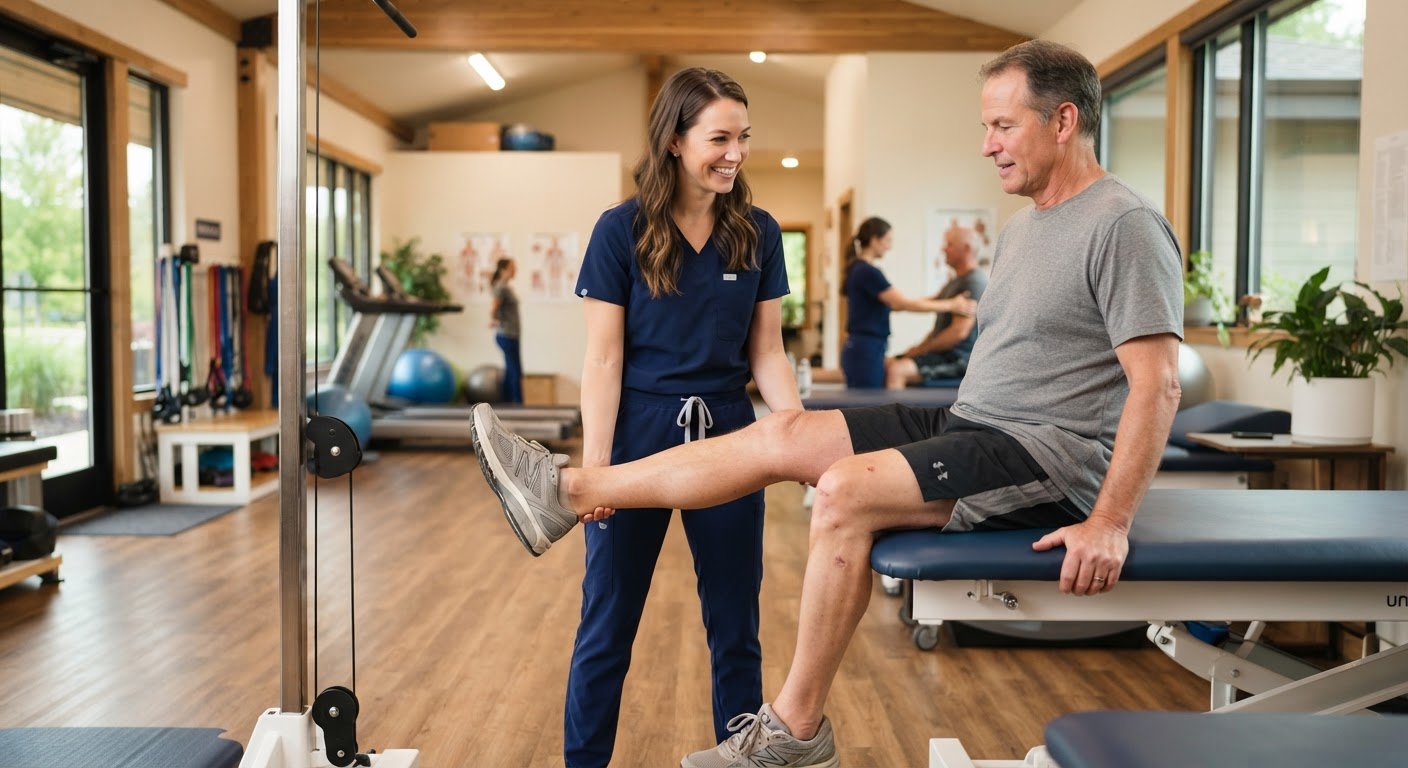
Over the following days or weeks, your physical therapist may gradually introduce exercises to improve range of motion, strength, posture, walking, or balance. Progress is based on your specific procedure and how your body responds, not just the number of days since surgery.
You may notice small improvements before larger milestones, such as moving more comfortably, needing less assistance, or tolerating a little more activity. Keep track of what feels easier and what remains difficult. This information helps your therapist adjust your program and identify when an exercise needs to be modified.
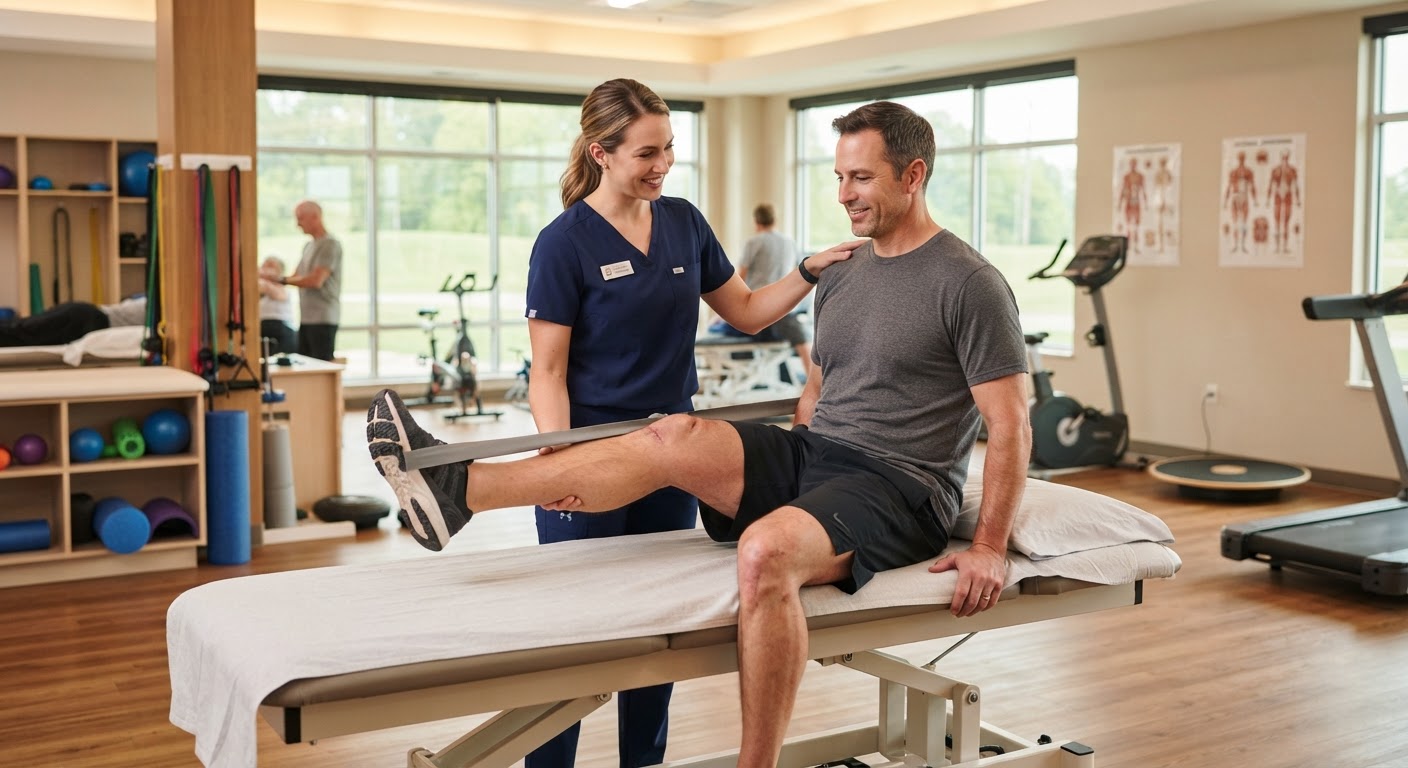
A useful approach is to follow the prescribed home exercise plan consistently while respecting your limits. Ask your therapist to demonstrate unfamiliar exercises and explain how they should feel. If symptoms remain increased after activity or change significantly, contact your care team for guidance rather than simply adding more repetitions.
Building Strength And Everyday Function
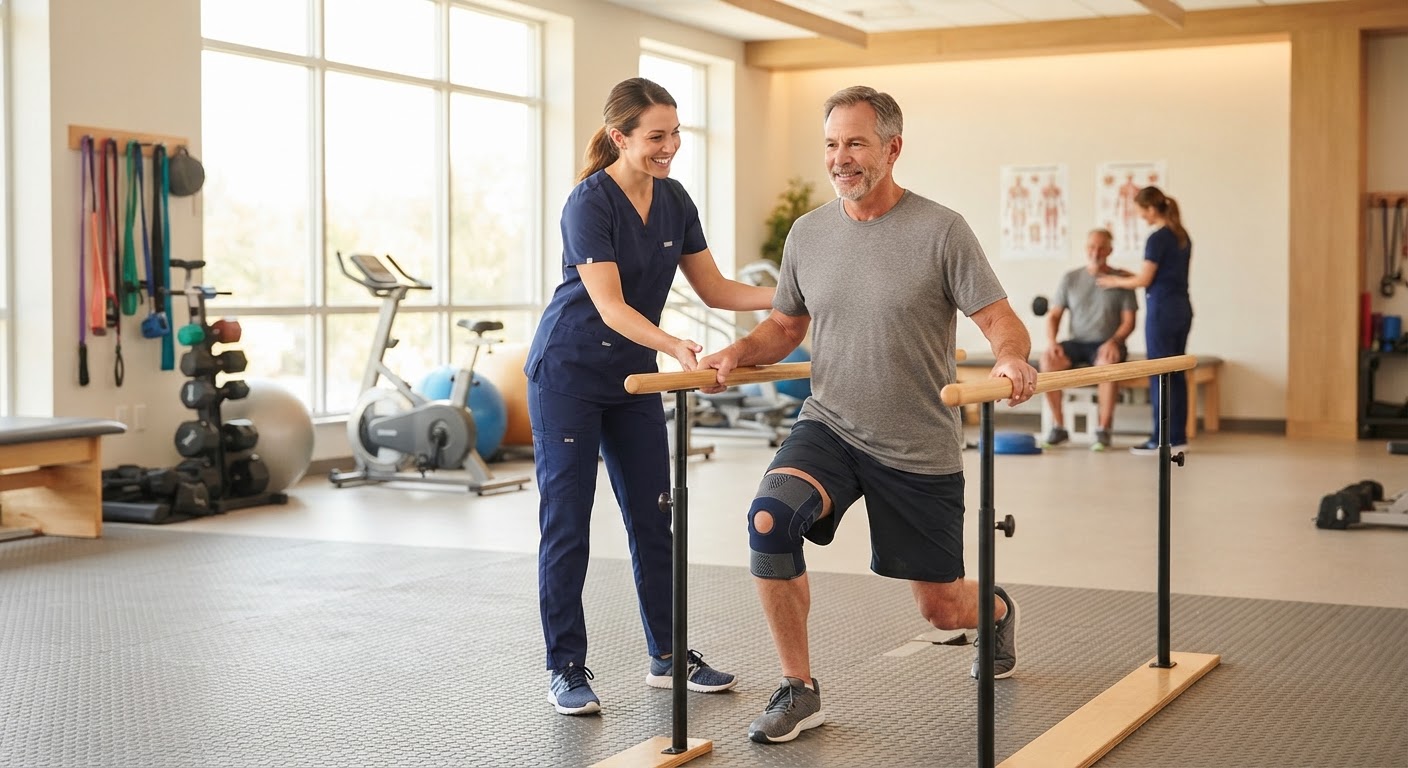
As healing allows, rehabilitation often shifts toward building strength, coordination, endurance, and control. Exercises may become more challenging and may connect more directly to activities such as climbing stairs, reaching, lifting, or returning to work. Your therapist can help you practice these movements safely and adapt them to your needs.
Progress is rarely perfectly steady. Sleep, stress, other health conditions, and the demands of daily life can affect how you feel from one day to the next. A temporary setback does not automatically mean that recovery has stopped. Share concerns with your therapist so the plan can be adjusted appropriately.
To support progress, pace demanding tasks, take breaks before exhaustion sets in, and build activity gradually. Keep appointments, follow precautions, and let your therapist know about barriers such as difficulty completing exercises at home. Together, you can identify practical changes that make your plan easier to follow.
Returning To Work, Exercise, And Hobbies
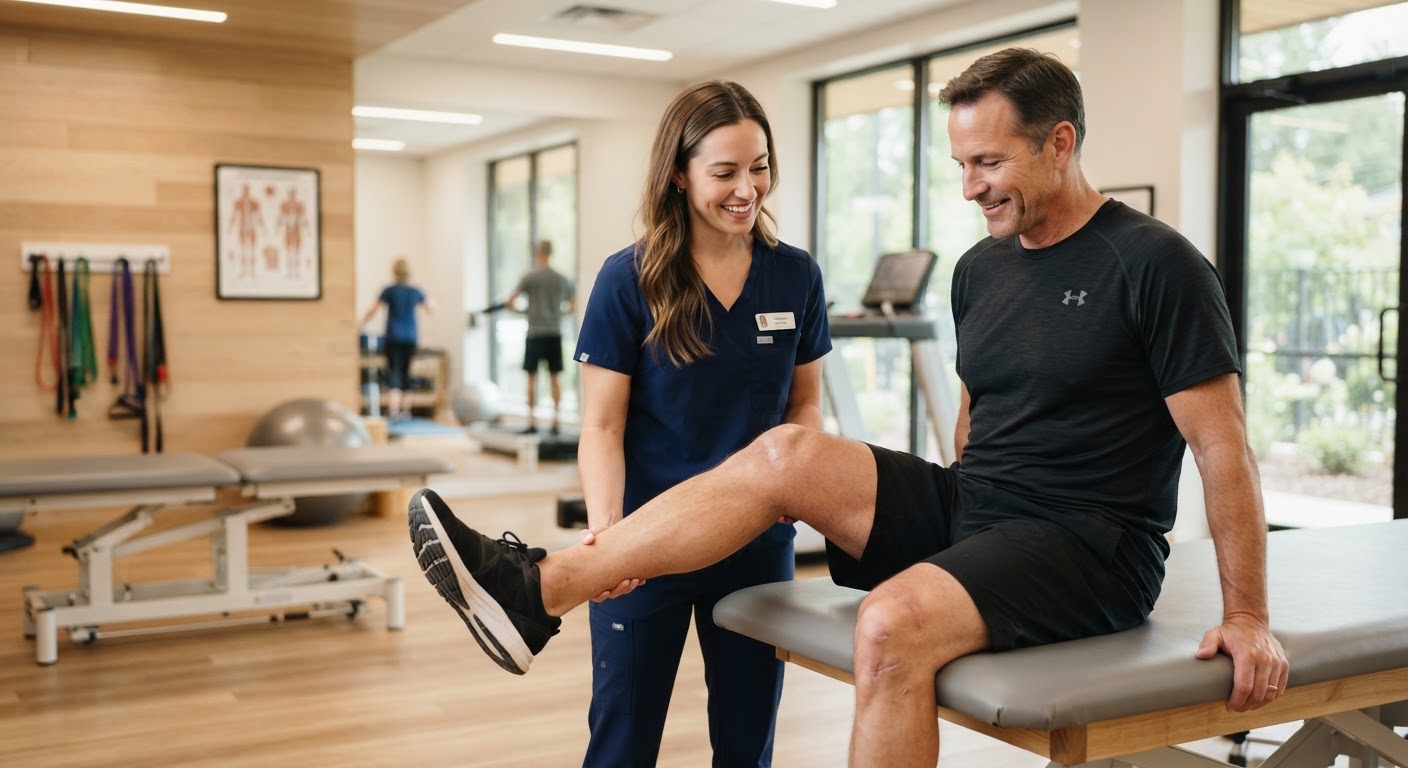
The later stages of recovery focus on preparing for the activities that matter to you. Depending on your surgery, this may involve practicing work tasks, improving walking tolerance, returning to recreational movement, or preparing for household responsibilities. Your therapist can help you progress toward these goals while observing your movement and response to activity.
Do not use reduced pain alone as a signal that you are ready to resume every activity. Healing and strength may continue after discomfort improves. Ask your surgeon or physical therapist when it is appropriate to return to driving, sports, heavy lifting, or other higher-demand tasks. Clearance and timing are specific to your procedure and situation.
When To Contact Your Care Team
Follow any procedure-specific instructions about symptoms that require medical attention. Contact your surgeon or another appropriate healthcare professional if you have a concerning change, such as rapidly worsening pain, a new loss of function, or symptoms around the surgical area that worry you. Seek urgent medical care for an emergency or severe symptoms. Your physical therapist can help you understand whether an exercise should be adjusted, but does not replace your surgeon’s guidance.
Making Physical Therapy Work For You
The most effective recovery plan is one that matches your procedure, current abilities, and personal goals. At Physical Therapy NOW™, the Lake Worth team can work with you and your medical providers to guide appropriate movement, support pain relief, and help you make steady progress through rehabilitation.
If you are preparing for surgery or have recently had a procedure, contact or visit Physical Therapy NOW™ at the Lake Worth location to ask about post-surgery physical therapy. Call the clinic to discuss your goals and arrange a visit. A knowledgeable team can help you take the next step toward safer movement and a more confident recovery.
Ready to start feeling better?
Physical Therapy NOW™ has 40+ Florida locations with same-week appointments. Most insurance, auto accident (PIP), workers' compensation and Medicare accepted.