Post-Surgery Physical Therapy Recovery Timeline
Recovery after surgery is a process, not a fixed schedule. The type of procedure, your overall health, and your surgeon’s instructions all influence when you can move comfortably and return to daily activities. Physical therapy can help you rebuild strength, improve mobility, manage pain, and progress safely through rehabilitation. At Physical Therapy NOW™ at the FIU Center location in Miami, FL, care is tailored to your procedure, goals, and medical team’s guidance.
What Determines Your Recovery Timeline
Two people having the same surgery may recover at different rates. Your timeline can depend on the area treated, the extent of the procedure, your health before surgery, and whether there are restrictions on movement or weight bearing. Sleep, nutrition, smoking status, and consistency with your home program may also affect how you feel as you heal.
Your surgeon’s protocol is the starting point for rehabilitation. Some procedures allow gentle movement soon after surgery, while others require a period of protection before certain exercises begin. Your physical therapist can coordinate with your medical team and adjust your plan as your needs change. Avoid comparing your progress with another person’s or trying to move ahead of your prescribed restrictions.
The Early Phase: Protect and Begin Moving
In the first days or weeks, the priorities are usually protecting the surgical area, following wound-care instructions, and managing swelling and discomfort. Your care team may recommend short walks, position changes, breathing exercises, or specific gentle movements. The exact activities depend on your surgery, so check with your surgeon or therapist before starting anything new.
Helpful habits during this phase include keeping scheduled follow-up appointments, taking medication only as directed, and using ice or elevation only if your care team recommends them. Follow instructions for dressing care and watch for warning signs such as increasing redness, unusual drainage, fever, or a sudden increase in pain. Contact your medical team promptly if you notice concerning symptoms.
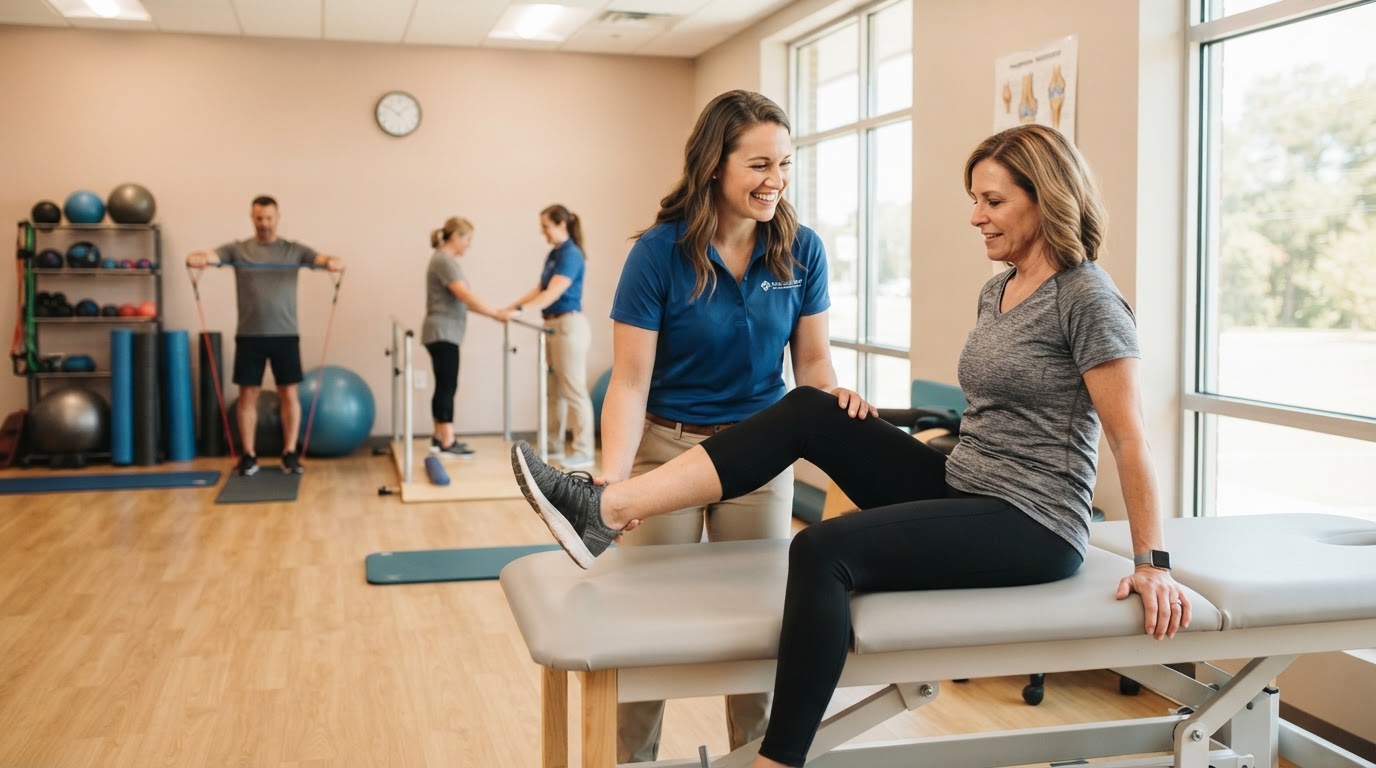
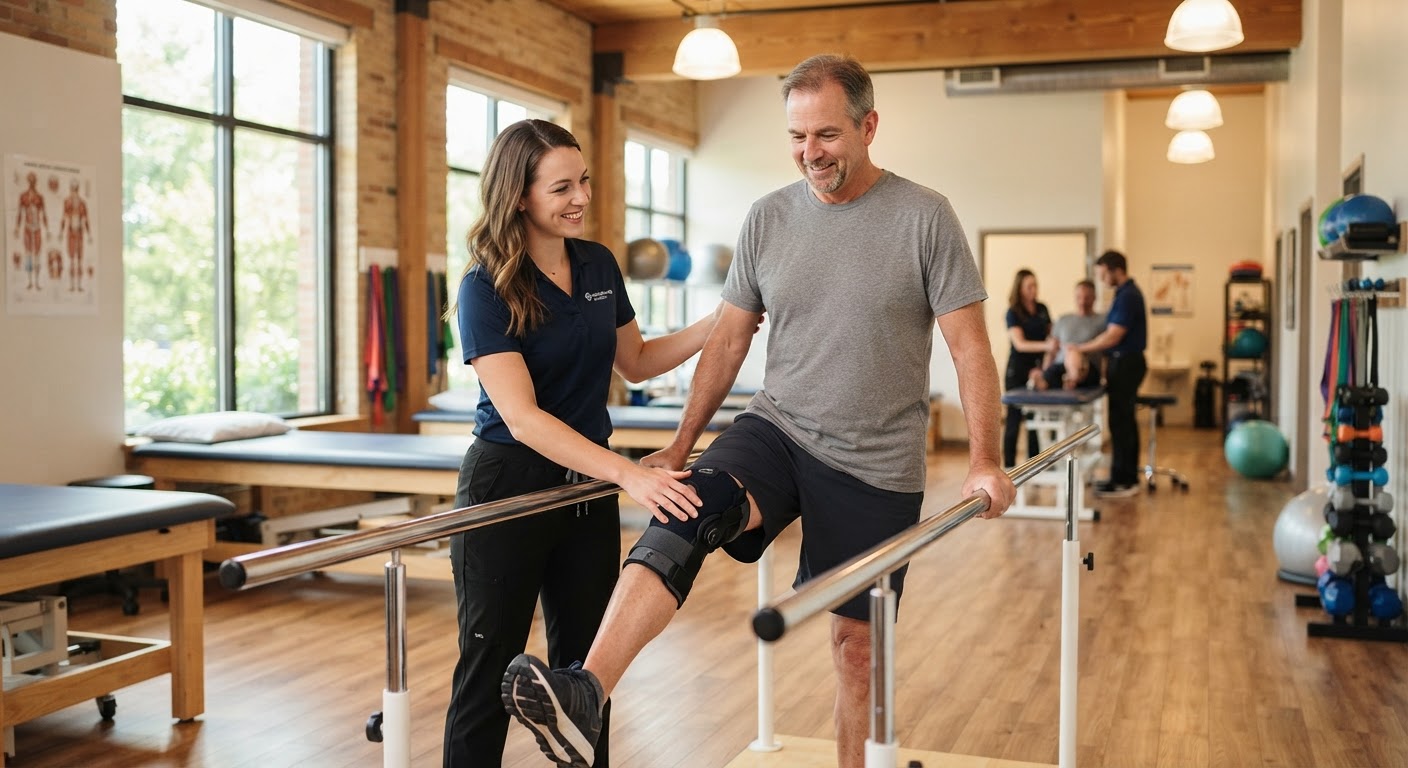
Early physical therapy may focus on safe transfers, walking with an assistive device, or learning how to protect the surgical area during everyday tasks. Your therapist may also teach you how to move in and out of bed or manage stairs safely. Small, regular efforts are often more manageable than pushing through a long session when you are tired.
The Building Phase: Restore Mobility and Strength
As healing progresses and your surgeon permits, rehabilitation may gradually include more range-of-motion work, balance training, and strengthening. Your therapist will select exercises based on the procedure and your current abilities. The goal is to restore useful movement and function without placing too much stress on healing tissues.
You may notice good days and more challenging days. Mild muscle soreness after a new activity can occur, but sharp, worsening, or persistent pain should not be ignored. Tell your therapist what you feel during and after exercise. They can adjust the number of repetitions, resistance, or movement range and help distinguish expected effort from a reason to pause and seek guidance.
Use a simple progress log to record exercises, walking time, discomfort, and any questions for your next visit. Follow the prescribed home program rather than adding extra exercises on your own. Plan rest breaks, keep frequently used items within easy reach, and use mobility aids as instructed. These practical steps can support safe participation in rehabilitation at home.
The Return-to-Activity Phase: Practice Real-Life Skills
Later in recovery, therapy often shifts toward the activities that matter most to you. Depending on your procedure, that may include walking longer distances, reaching, lifting, returning to work, or preparing for recreational activities. Your therapist can help you build capacity gradually and practice movement patterns relevant to your daily routine.
A return to activity is not always based on a single date. Your care team may consider your strength, mobility, balance, pain response, and ability to complete specific tasks. Ask before returning to driving, sports, heavy lifting, or physically demanding work. These activities may require additional healing and approval, even if you feel ready.
How to Support Recovery Between Visits
Keep communication open with your surgeon and physical therapist, especially when symptoms change or instructions are unclear. Attend appointments consistently and bring questions about activities you want to resume. If transportation, home setup, or scheduling makes your plan difficult, mention it; your therapist may be able to suggest practical adaptations.
Prioritize sleep, hydration, and balanced meals as part of your overall recovery routine. Set realistic weekly goals, such as practicing an approved exercise regularly or completing a household task with improved comfort. Progress may be gradual, but steady participation can help you work toward meaningful functional goals and pain relief.
When to Contact Your Care Team
Seek guidance if pain is getting worse instead of gradually improving, swelling changes suddenly, or you are unsure whether an activity is safe. Follow your discharge instructions for urgent concerns. Physical therapy is not a substitute for medical evaluation, and your surgeon should be contacted about new or concerning postoperative symptoms.
Personalized Post-Surgery Rehabilitation in Miami
There is no universal recovery timeline. Your rehabilitation plan should reflect your procedure, precautions, symptoms, and personal goals. Physical Therapy NOW™ provides individualized physical therapy and practical guidance to help patients progress safely through each stage of recovery. The FIU Center location in Miami, FL can help you understand your next steps and build a plan around your needs.
Ready to take the next step after surgery? Visit or call Physical Therapy NOW™ at the FIU Center location to ask about post-surgery physical therapy and schedule a visit. Your care team can help you move forward with a clear, supportive plan.
Ready to start feeling better?
Physical Therapy NOW™ has 40+ Florida locations with same-week appointments. Most insurance, auto accident (PIP), workers' compensation and Medicare accepted.