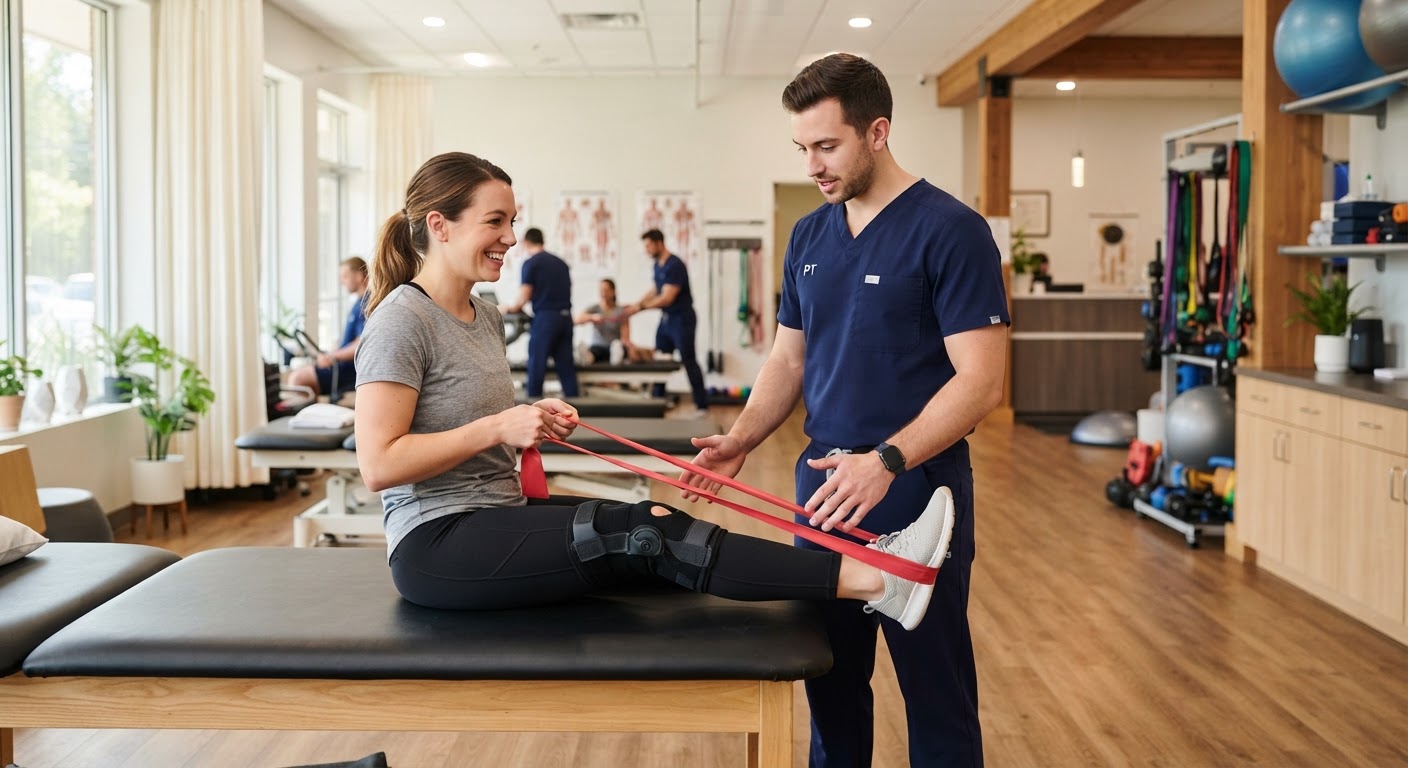
Post-Surgery Physical Therapy Recovery Timeline
Recovering from surgery is a process, not a race. Physical therapy can help you regain movement, rebuild strength, improve everyday function, and work toward pain relief. Your recovery timeline depends on the procedure, your health, and your surgeon’s instructions, so there is no single schedule that fits everyone.
At Physical Therapy NOW™ in Doral, FL, rehabilitation is tailored to your goals and the guidance of your medical team. Knowing what the stages of recovery may involve can help you prepare, stay consistent, and recognize when to ask for help.
Your Care Team Sets The Pace
Before beginning or changing an exercise program, follow your surgeon’s instructions about weight bearing, wound care, movement limits, and when physical therapy should start. A therapist can coordinate care within those guidelines and adjust your plan as healing progresses.
The timeline below is a general guide, not a promise or substitute for medical advice. Recovery after a joint replacement may look different from recovery after spine, shoulder, or abdominal surgery. Your therapist will consider your procedure, symptoms, mobility, and response to activity when planning each step.
The First Days After Surgery
In the initial days, the priorities are often protecting the surgical area, managing symptoms, and beginning safe movement as approved by your care team. Depending on the procedure, this may include short walks, gentle range-of-motion exercises, breathing exercises, or learning how to move in and out of bed safely.
Use any prescribed walking aid as instructed, and keep essential items within easy reach. Follow your care team’s guidance on icing, elevation, medication, and incision care. Avoid adding exercises or increasing activity just because you feel ready; some precautions remain important even when discomfort is mild.
Early Rehabilitation: The First Few Weeks
As healing continues, physical therapy may focus on restoring comfortable movement, improving balance, and gradually increasing your ability to manage daily tasks. Your therapist may teach exercises for flexibility and muscle activation, check your walking or posture, and help you practice activities that matter to you.
Progress is usually gradual. Mild soreness or temporary fatigue can occur after activity, but tell your therapist if symptoms feel unusually intense, last longer than expected, or interfere with sleep or daily routines. Keep a simple record of your exercises and how you feel afterward. This can help your therapist make useful adjustments at your next visit.
Building Strength And Function
Over the following weeks, your rehabilitation plan may add strengthening, coordination, and endurance exercises. The goal is to prepare you for more demanding daily activities, such as climbing stairs, carrying light items, returning to work, or participating in a favorite activity. Timing varies widely by surgery and by the restrictions set by your surgeon.
Focus on steady, controlled movement rather than pushing through pain. Use the technique your therapist teaches, take breaks when needed, and increase repetitions or resistance only when your plan allows. Consistency with a manageable program is generally more useful than doing too much in one session and needing extended time to recover.
Returning To Work, Sports, And Hobbies
Returning to work, exercise, driving, or sports should be based on your medical clearance and functional readiness, not just the number of weeks since surgery. Some activities place greater demands on strength, balance, or reaction time than everyday walking. Your therapist can help you practice relevant movements and identify areas that still need attention.
Ask your surgeon or therapist about specific activities if you are unsure. If you have a physically demanding job or a sport-specific goal, share that early so your rehabilitation can address the movements and endurance involved. A gradual return can help you build confidence while respecting healing tissues.
Practical Ways To Support Recovery
Keep appointments and follow the home program you were given, while staying within your precautions. Set a regular time for exercises and break longer routines into shorter sessions if that feels more manageable. Wear stable footwear when walking, keep pathways clear at home, and use assistive equipment as recommended.
Prioritize sleep, hydration, and balanced meals as part of your overall recovery routine. Communicate openly about pain, swelling, fatigue, or worries. Do not compare your progress with someone else’s; even people who have had the same procedure may heal and regain function at different rates. A therapist can help distinguish expected challenges from issues that need medical follow-up.
When To Contact Your Medical Team
Contact your surgeon or healthcare provider if you notice new or worsening symptoms, concerns about your incision, or a sudden change in your ability to move or bear weight. Seek urgent medical care for severe or rapidly worsening symptoms, chest pain, difficulty breathing, or other emergency warning signs. Your care team can tell you what symptoms require immediate attention for your specific procedure.
A Steady Path Forward In Doral
Post-surgery physical therapy is a step-by-step process shaped by your procedure, your goals, and how your body responds. With appropriate guidance, rehabilitation can support safer movement, greater independence, and progress toward pain relief. Physical Therapy NOW™ works with patients to create individualized plans that respect medical precautions and focus on meaningful everyday goals.
If you are preparing for surgery or recovering now, contact Physical Therapy NOW™ at the Doral location in Doral, FL, to ask about getting started with physical therapy. Call or visit the clinic to discuss your recovery needs and take the next step toward moving with greater confidence.
Ready to start feeling better?
Physical Therapy NOW™ has 40+ Florida locations with same-week appointments. Most insurance, auto accident (PIP), workers' compensation and Medicare accepted.