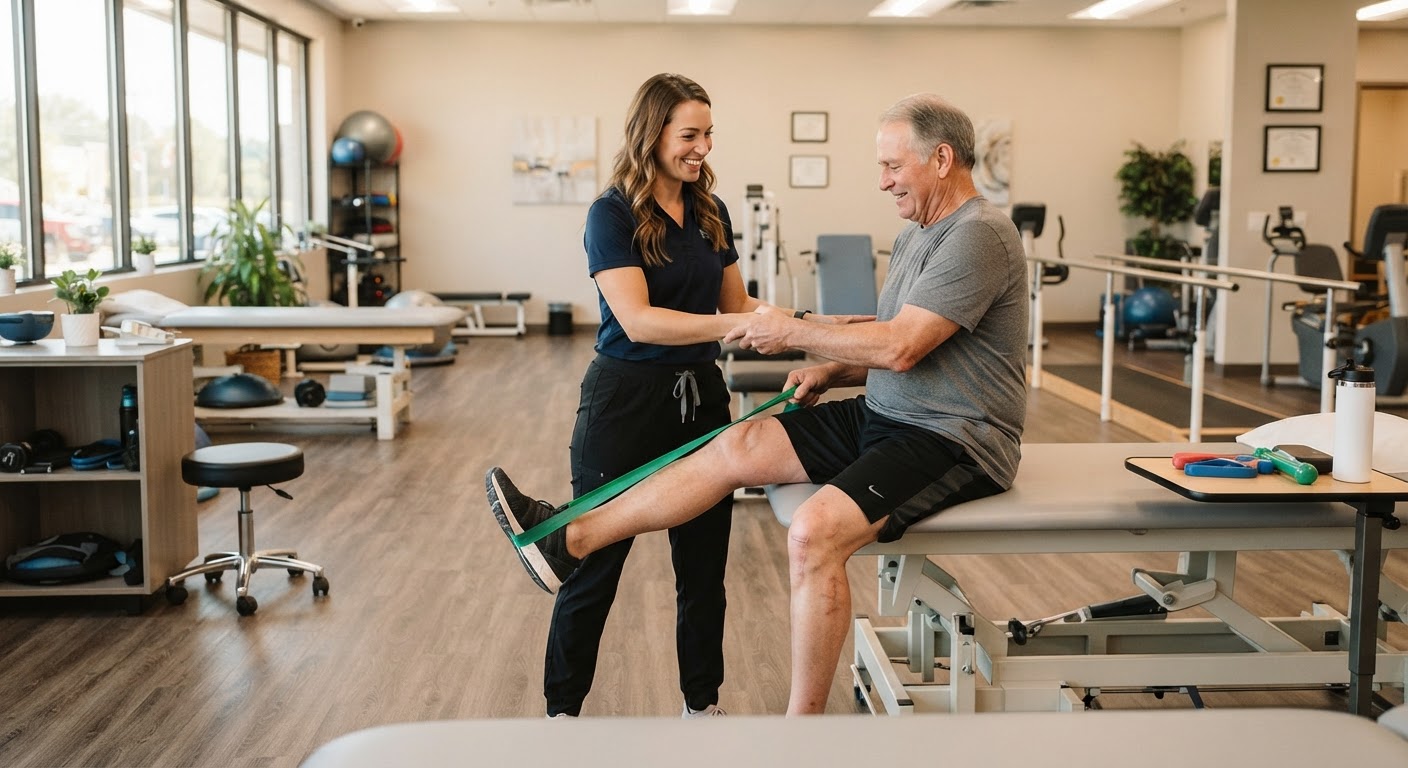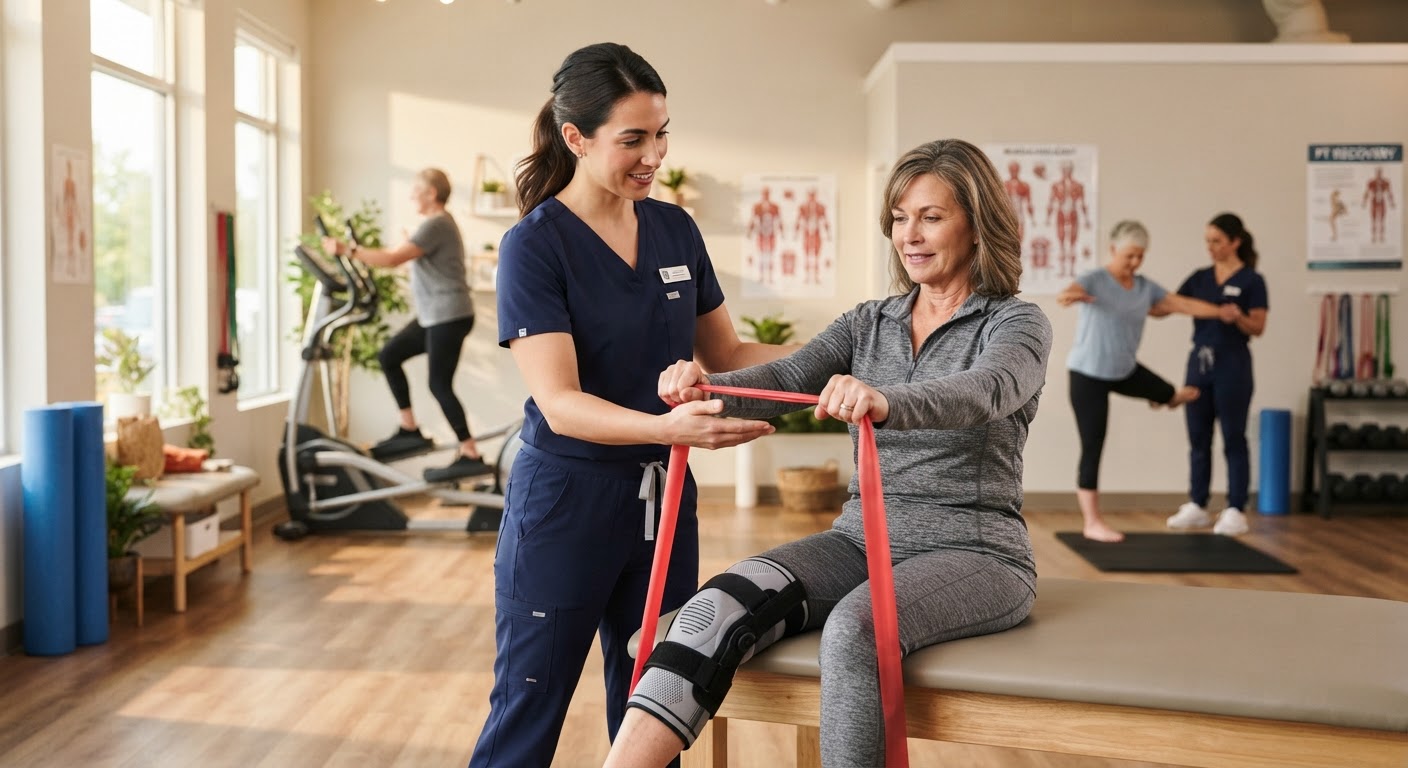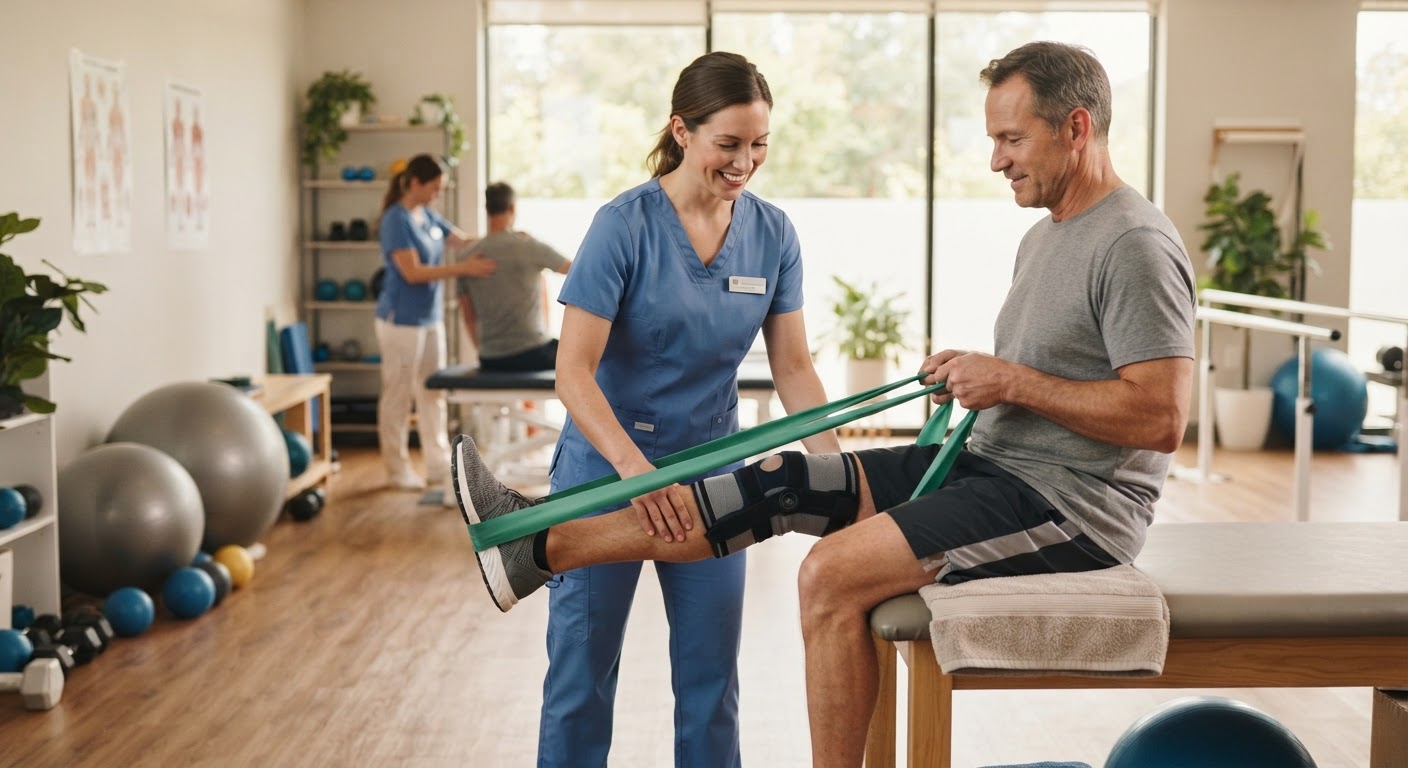
Navigating life after surgery can often feel like embarking on an unknown journey. While the surgical procedure itself addresses a specific medical issue, the true path to full recovery often lies in the rehabilitation that follows. For many, physical therapy is not just a recommendation; it's a critical component of healing, restoring function, and ensuring a successful return to daily activities. At Physical Therapy NOW™ in Miami, FL, specifically our Country Walk location, we understand the importance of a structured and supportive rehabilitation program.
Understanding the Post-Surgery Recovery Landscape
Surgery, regardless of its complexity, places significant stress on the body. It involves incisions, tissue manipulation, and often, a period of immobility or restricted movement. These factors can lead to pain, swelling, muscle weakness, reduced range of motion, and decreased endurance. Without proper rehabilitation, individuals may struggle to regain their pre-surgery capabilities, leading to long-term issues or even further complications. This is where dedicated physical therapy becomes indispensable.
The primary goals of post-surgical physical therapy are multi-faceted: to manage pain and swelling, restore normal joint movement and muscle strength, improve balance and coordination, enhance functional mobility, and ultimately, facilitate a safe and efficient return to work, hobbies, and an active lifestyle. Your physical therapist acts as a guide, customizing a plan that aligns with your specific surgery, recovery progress, and personal goals.
Phases of Post-Surgical Physical Therapy Recovery
While every recovery is unique, there are general phases that most patients experience during their post-surgical physical therapy journey. These timelines are approximate and can vary significantly based on the type of surgery, individual health, age, and adherence to the rehabilitation program.
Phase 1: Acute Post-Operative Phase (Days 1-7 or 1-14)
This initial phase begins almost immediately after surgery, sometimes even in the hospital. The primary focus here is on pain management, reducing swelling, and protecting the surgical site. Your physical therapist will instruct you on safe ways to move, often including gentle range of motion exercises that do not stress the healing tissues. You'll learn about proper positioning, how to get in and out of bed, and potentially how to use assistive devices like crutches or a walker. Education on wound care, recognizing signs of complications, and managing your activity levels are also crucial during this period. The goal is to minimize complications and set the stage for subsequent healing.
Phase 2: Subacute/Intermediate Phase (Weeks 2-6 or 2-12)
Once the initial pain and swelling have subsided, and the surgical site shows signs of stable healing, the focus shifts to restoring more significant motion and beginning to rebuild strength. This phase often involves a gradual increase in range of motion exercises, gentle stretching, and the introduction of light strengthening activities. Your physical therapist will meticulously monitor your progress, ensuring that exercises are appropriate for your healing tissues and do not cause undue stress. We emphasize the importance of consistent, controlled movements to prevent stiffness and muscle atrophy. This is also a key time for manual therapy techniques to improve tissue mobility and address any restrictions. Patients often notice significant improvements in their ability to perform daily tasks during this phase.
Phase 3: Strengthening and Functional Integration Phase (Weeks 6-12 and Beyond)
As strength and range of motion continue to improve, the rehabilitation program progresses to more challenging exercises designed to build endurance, power, and functional capabilities. This phase aims to simulate and prepare you for the demands of your everyday life, work, and recreational activities. It may include progressive resistance training, balance exercises, agility drills, and sport-specific training if applicable. The goal is not just to regain basic function but to optimize performance and prevent re-injury. Your physical therapist will work closely with you to establish realistic goals and ensure a safe return to higher-level activities. This phase can be extensive, sometimes lasting several months, particularly for complex surgeries or high-demand activities.
Phase 4: Return to Activity/Maintenance Phase (Months 3-6 and Beyond)
This final phase focuses on fine-tuning strength, endurance, and coordination to ensure a complete and confident return to your desired activities. It involves advanced functional training, often incorporating dynamic and sport-specific movements. Your physical therapist will also provide you with a comprehensive home exercise program designed to maintain your progress and continue building resilience. This is about empowering you with the tools and knowledge to sustain your recovery long-term and prevent future issues. Even after formal physical therapy sessions conclude, maintaining an active lifestyle and adhering to a personalized exercise routine is vital for lasting results.
Practical Tips for a Successful Recovery
Engage Actively: Your recovery is a partnership. Be an active participant in your therapy, ask questions, and communicate any concerns or discomfort to your therapist. Consistency is Key: Adhere to your prescribed home exercise program diligently. Consistency, even with small movements, yields significant results over time. Listen to Your Body: While it’s important to challenge yourself, know the difference between soreness and pain. Pushing too hard too soon can set back your recovery. Nutrition and Hydration: Support your body’s healing process with a balanced diet rich in protein, vitamins, and minerals, and stay well-hydrated. Prioritize Rest: Adequate rest allows your body to repair and rebuild tissues. Do not underestimate the power of sleep. Manage Expectations: Recovery is not always linear. There may be good days and challenging days. Celebrate small victories and remain patient with the process. Stay Positive: A positive outlook can significantly influence your recovery journey. Focus on progress and the end goal.
The Role of Physical Therapy NOW™ in Your Journey
At Physical Therapy NOW™, located conveniently in the Country Walk area of Miami, FL, we pride ourselves on providing personalized and compassionate care. Our team of highly skilled physical therapists utilizes evidence-based practices to design individualized rehabilitation programs tailored to your specific surgical procedure and unique needs. We believe that effective physical therapy goes beyond exercises; it involves comprehensive education, manual therapy techniques, and advanced modalities to optimize your healing. From the moment you step through our doors, our goal is to guide you through each phase of your recovery, helping you manage pain relief, restore function, and regain independence. Our dedicated team is committed to helping you achieve your fullest recovery potential, ensuring a safe and lasting return to the activities you love.
If you or a loved one are preparing for surgery or recovering from a recent procedure, don't leave your rehabilitation to chance. Take the proactive step towards a stronger, healthier you. Contact Physical Therapy NOW™ at our Country Walk location today to schedule your initial consultation. Let us partner with you on your journey to optimal health and recovery. Our expert team is ready to provide the professional physical therapy and support you need right here in Miami, FL.
Ready to start feeling better?
Physical Therapy NOW™ has 40+ Florida locations with same-week appointments. Most insurance, auto accident (PIP), workers' compensation and Medicare accepted.