Post-Surgery Physical Therapy Recovery Timeline
Recovering after surgery is a process, not a single milestone. Physical therapy can help you rebuild strength, improve movement, manage discomfort, and return to daily activities safely. Knowing what may happen during each phase can make rehabilitation feel more manageable and help you participate confidently in your recovery.
Every person and procedure is different. Your timeline depends on the type of surgery, your overall health, your surgeon’s precautions, and how your body responds to activity. The outline below offers general guidance, not a substitute for instructions from your surgeon or physical therapist. At Physical Therapy NOW™ in Cape Coral, FL, care is planned around your procedure, goals, and medical guidance.
Before Therapy Begins
Your recovery plan may start before surgery. If your care team recommends pre-surgical physical therapy, sometimes called prehabilitation, a therapist can review safe exercises, discuss mobility aids, and help you understand what to expect afterward. Building familiarity with recommended movements may make it easier to follow your home program after surgery.
Before your operation, ask your surgeon which movements or activities will be restricted, when therapy should begin, and what symptoms require a call to the medical team. Arrange your home to make daily tasks easier. Keep frequently used items within reach, clear walkways, and plan for help with transportation or household activities if needed.
Phase One: Protect And Get Moving
The first days or weeks after surgery often focus on protecting healing tissues while gradually restoring safe movement. The timing depends on the operation. Some people begin supervised physical therapy soon after surgery; others need a period of rest or specific precautions first. Follow the schedule set by your surgeon and therapy team rather than comparing your progress with someone else’s.
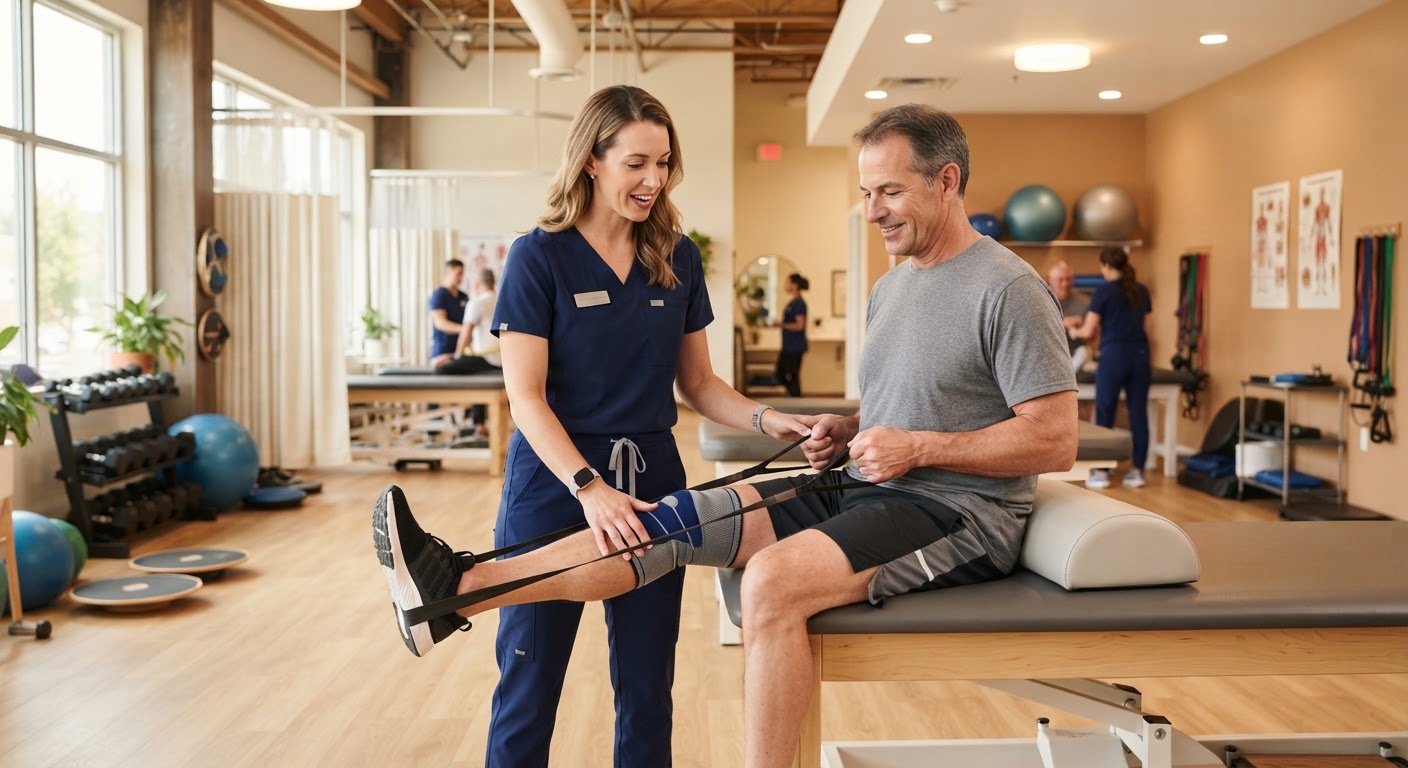
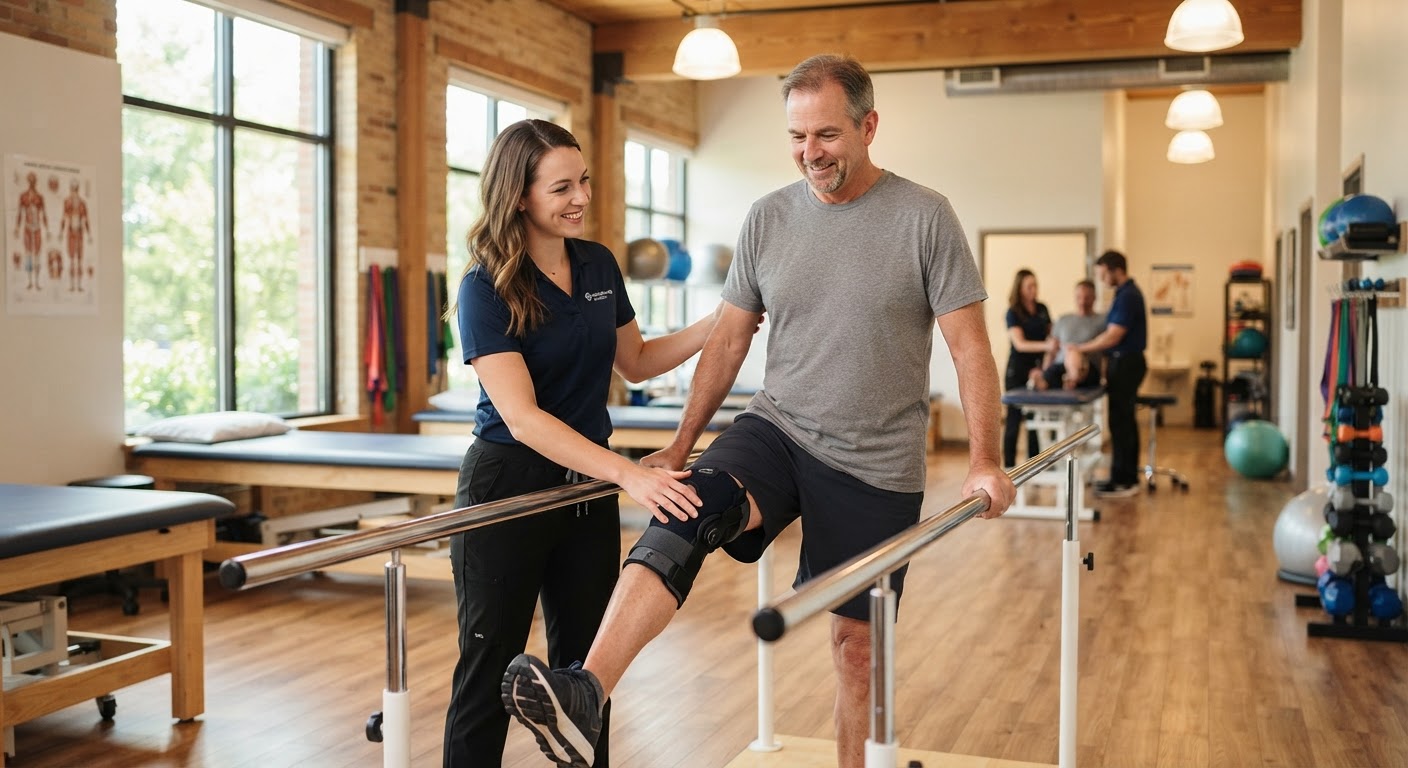
Early sessions may include instruction on getting in and out of bed, walking with an assistive device, managing stairs, or performing gentle range-of-motion exercises. Your therapist may also review positioning and ways to complete everyday tasks without putting excess strain on the surgical area. For some procedures, the initial goal is to control swelling and regain basic mobility. For others, protecting a repair or implant takes priority.
Use prescribed medication as directed, keep follow-up appointments, and follow your care team’s guidance for wound care and activity. Do not push through sharp, escalating, or unusual pain. Contact your surgeon about concerning symptoms, such as fever, increased redness or drainage, new numbness, or sudden worsening pain. Your therapist can help you understand which exercise sensations are expected, but medical concerns should be reported to the appropriate clinician.
Phase Two: Restore Motion And Daily Function
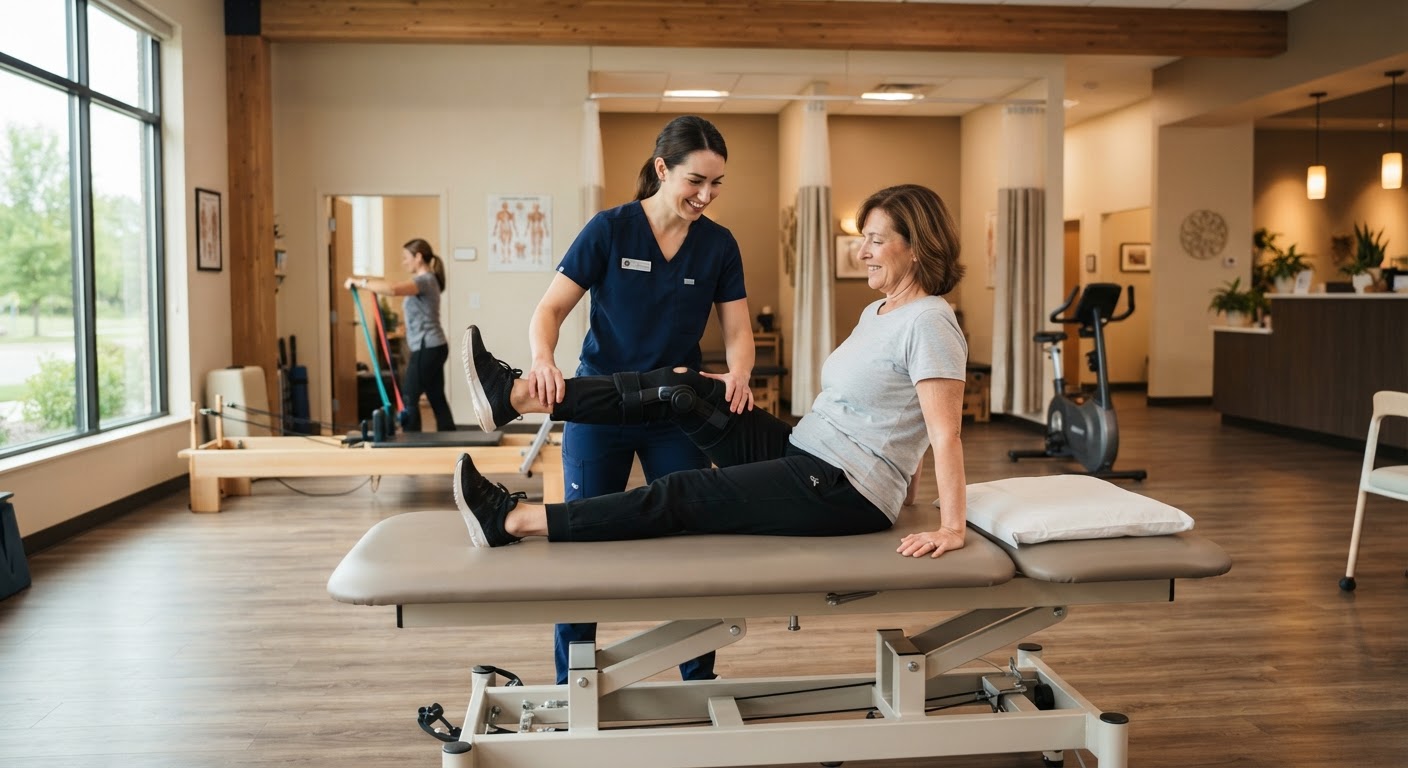
As healing progresses and your surgeon allows, rehabilitation usually advances toward improving flexibility, balance, and control. Your therapist may adjust exercises gradually based on your movement, symptoms, and surgical precautions. The aim is not to rush through a checklist; it is to build capacity while respecting the healing process.
You may practice tasks that matter in your daily life, such as reaching, dressing, walking farther, or moving between sitting and standing. A home exercise program is often an important part of this phase. Short, consistent practice can be more useful than trying to do too much at once. Follow the repetitions and frequency your therapist provides, and ask for clarification if an exercise causes a concerning response or feels difficult to perform correctly.
To support progress, keep a simple record of your exercises, activity, and symptoms. Note what feels easier and what seems to increase discomfort. Share this information during appointments so your therapist can tailor your plan. Rest is also part of recovery. Alternate activity with breaks, and avoid adding new strenuous activities without checking whether they are appropriate for your procedure.
Phase Three: Build Strength And Endurance
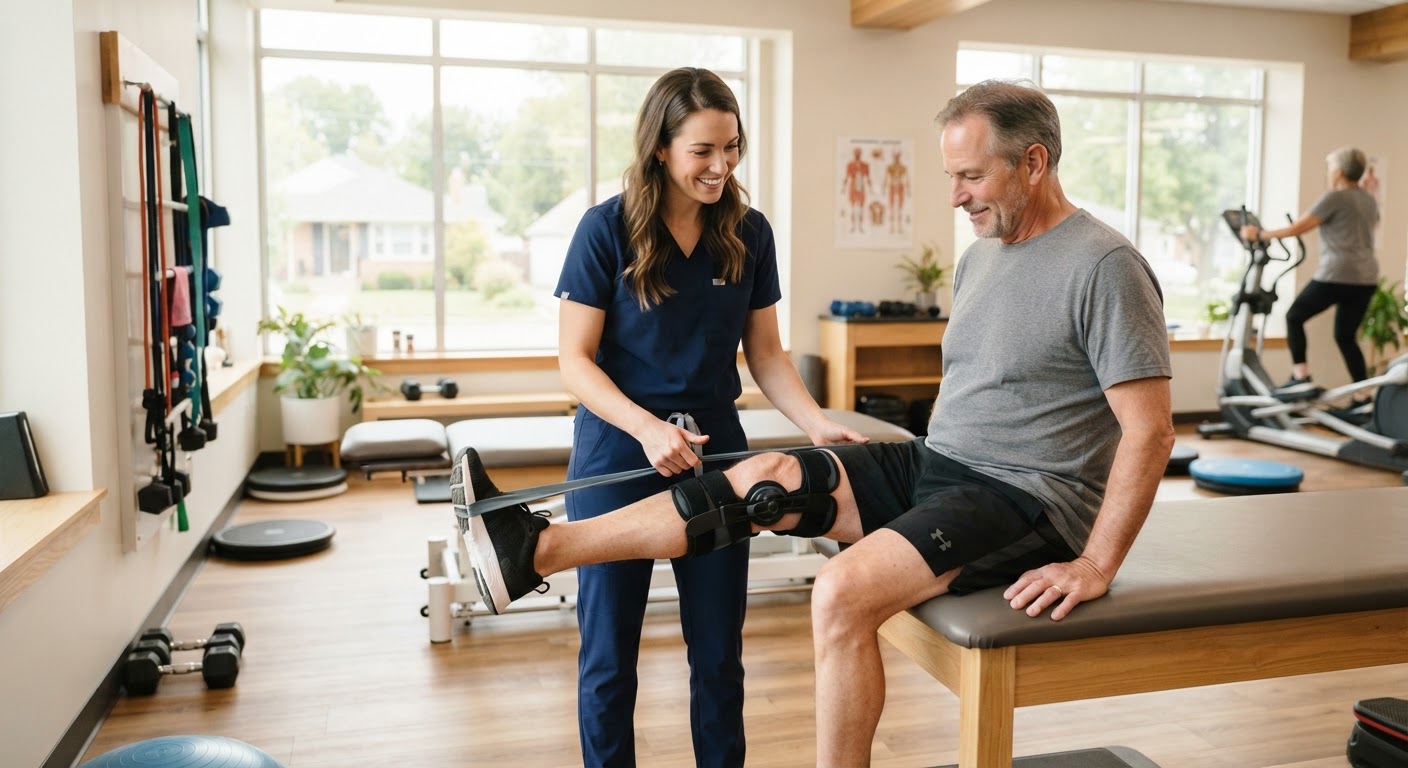
Once you have adequate healing and your care team approves, therapy may shift toward strengthening, coordination, and endurance. Exercises become more specific to your needs and goals. Depending on the surgery, this might include stepping, lifting mechanics, controlled resistance exercises, or balance activities.
Progress is usually gradual. Your therapist may increase one part of an exercise at a time, such as repetitions, resistance, or duration. Pay attention to how you feel during activity and afterward. Mild, temporary muscle fatigue may be expected, but persistent or increasing symptoms deserve a conversation with your therapist or surgeon. Good technique matters; quality movement is more important than doing a higher number of repetitions.
Phase Four: Return To Work, Recreation, And Long-Term Activity
The final stage focuses on preparing for the demands of your routine, work, or recreational activities. Your therapist can help you practice relevant movements and build a sustainable plan for continued activity. The return to driving, sports, heavy lifting, or physically demanding work should follow your surgeon’s guidance and any applicable safety requirements.
Recovery timelines vary widely. A straightforward procedure may require a different rehabilitation plan from a complex repair or joint replacement, and setbacks can happen. Progress is better judged by changes in function, strength, confidence, and symptom response than by a specific calendar date. Keep communicating with your team if you feel stuck or are unsure how to advance safely.
Practical Tips For A Smoother Recovery
Follow your surgeon’s restrictions and your therapist’s exercise instructions. Do not add exercises from online videos unless your care team approves them. Take prescribed medications as directed and ask your medical provider about pain relief options if discomfort makes it hard to sleep, move, or participate in therapy. Keep hydration, balanced meals, and sleep in mind as part of your overall recovery routine.
Make your home safer by removing loose rugs and clutter, improving lighting, and using recommended equipment as instructed. Plan ahead for appointments and ask a trusted person for support when needed. Most importantly, speak up. Questions about pain, swelling, exercises, or milestones are a normal part of rehabilitation.
Personalized Support In Cape Coral
Physical therapy is not one-size-fits-all. At Physical Therapy NOW™, your therapist can help you understand your plan, practice safe movement, and progress exercises in coordination with your medical team. If you are preparing for surgery or recovering afterward, the Cape Coral location can help you explore physical therapy options suited to your needs.
Take The Next Step
You do not have to navigate recovery alone. Visit or call the Physical Therapy NOW™ Cape Coral location to ask about post-surgery physical therapy and discuss how a personalized rehabilitation plan may support mobility, function, and pain relief. Your care team can help you take the next step at a pace that respects your healing.
Ready to start feeling better?
Physical Therapy NOW™ has 40+ Florida locations with same-week appointments. Most insurance, auto accident (PIP), workers' compensation and Medicare accepted.