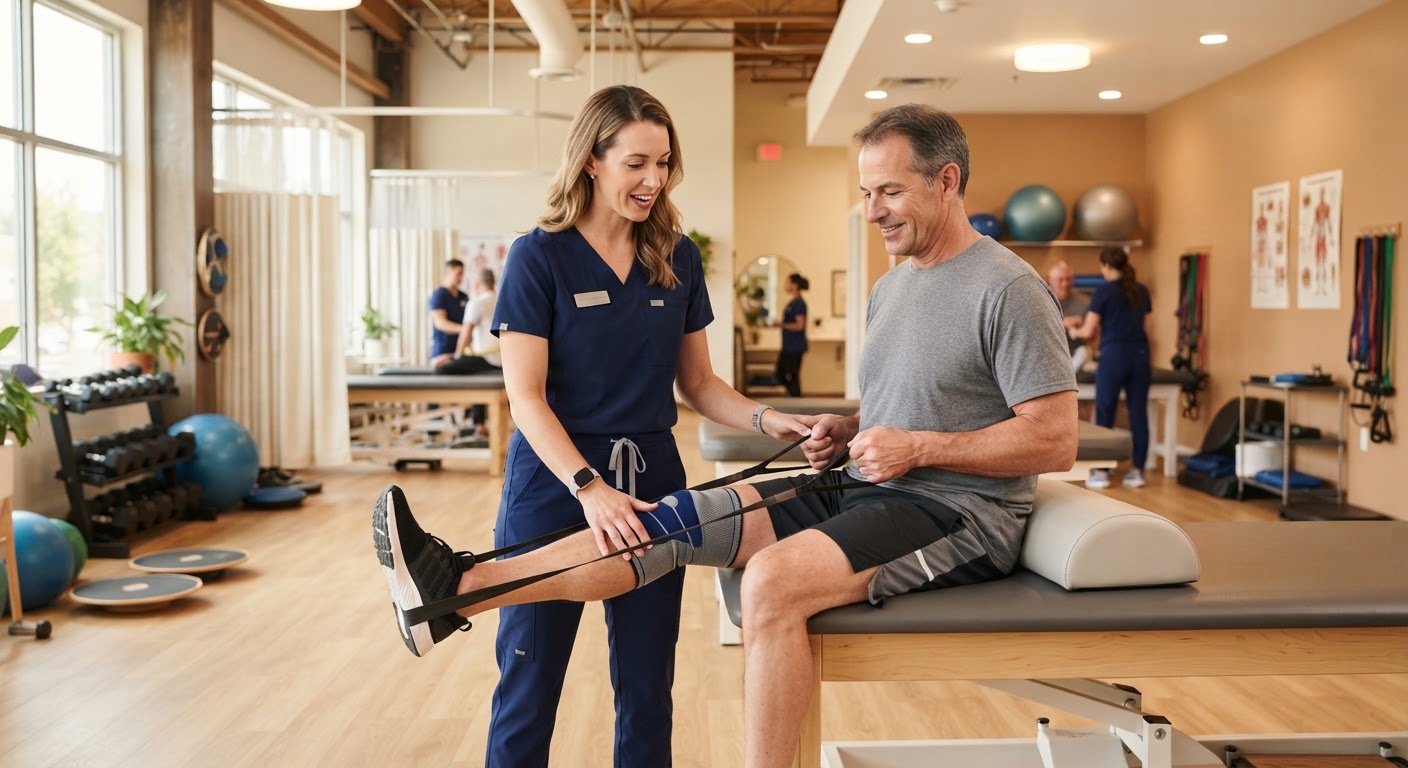
Post-Surgery Physical Therapy Recovery Timeline
Recovery after surgery is a process, not a race. Physical therapy can help you regain movement, build strength, improve daily function, and manage discomfort as your body heals. Knowing the general stages of rehabilitation can make the journey feel more manageable, but your personal timeline depends on the procedure, your health, and your surgeon’s instructions.
At Physical Therapy NOW™, our team at the Brickell location in Miami, FL, helps patients work toward safe, practical goals after surgery. Your physical therapist will tailor your plan to your procedure and progress rather than relying on a one-size-fits-all schedule.
Why Physical Therapy Matters After Surgery
Surgery may address an injury or condition, but recovery often involves more than healing the incision. Pain, swelling, stiffness, and reduced activity can affect strength, balance, and confidence. A structured physical therapy program can guide your return to movement while respecting your healing tissues and any restrictions set by your surgeon.
Your care may include gentle mobility exercises, strength training, walking or balance practice, and strategies for everyday tasks. Your therapist can also help you understand how to pace activity and recognize when an exercise should be adjusted. The goal is not simply to do more; it is to progress safely toward the activities that matter to you.
The First Days After Surgery
In the first few days, your priority is to follow your surgical team’s instructions. Depending on your procedure, you may be asked to protect the surgical area, use a brace or assistive device, limit weight bearing, or begin specific movements. Some people start physical therapy in the hospital, while others begin after returning home or at an outpatient clinic.
Keep your follow-up appointments and ask your surgeon when it is appropriate to begin or advance therapy. Use prescribed medications only as directed. If your care team recommends icing or elevating the area, follow their guidance about timing and safety. Short, frequent periods of approved movement may be more manageable than trying to do too much at once.
Contact your surgeon promptly if you notice concerning changes such as worsening redness, drainage, fever, sudden increases in pain, or new symptoms. For urgent or severe symptoms, seek immediate medical care. Your physical therapist does not replace your surgeon’s medical guidance, but can coordinate with your care team when questions about movement or exercise arise.
Weeks One To Three: Protect And Begin Moving
Early rehabilitation often focuses on controlling swelling, maintaining safe movement, and practicing essential activities such as getting in and out of bed or walking with an assistive device. The exact exercises and limits vary widely. For example, recovery after a joint replacement is different from rehabilitation after a spinal procedure or tendon repair.
Follow the home exercise plan you receive, and ask your therapist to demonstrate anything that feels unclear. Move slowly and stay within the range and effort recommended for you. Do not add exercises from online videos or increase resistance without checking that they are appropriate for your surgery. Keep a simple record of exercises, symptoms, and questions to discuss at your next appointment.
Weeks Three To Six: Build Consistency
As healing progresses and your provider approves, therapy may gradually emphasize improved range of motion, walking tolerance, coordination, or basic strength. Progress is usually based on how you respond, not just the number of weeks since surgery. Your therapist may adjust an exercise if it causes a sharp increase in symptoms or if your movement needs more support.
Consistency matters, but rest is part of rehabilitation too. Plan exercise around your energy level and daily responsibilities. Break larger tasks into smaller steps, take recovery breaks, and avoid comparing your progress with someone else’s. If discomfort continues to rise after activity or does not settle as expected, tell your therapist and surgical team instead of pushing through it.
Weeks Six To Twelve: Restore Strength And Function
For many procedures, later phases of rehabilitation focus on building strength, endurance, balance, and control for more demanding activities. You may practice stairs, reaching, lifting, or other tasks relevant to home and work. Return to driving, sports, and physically demanding duties should be cleared by your surgeon and guided by your symptoms, strength, and function—not by a calendar alone.
Some people make steady gains during this period, while others need more time. A longer recovery does not automatically mean something is wrong. Your therapist can review your goals and update your plan as your abilities change. Physical Therapy NOW™ in Miami, FL, can help you understand the next steps in your rehabilitation and keep your program focused on safe, meaningful progress.
After Three Months: Keep Progressing
Recovery may continue beyond three months, especially after complex procedures or when returning to demanding activities. You may need continued strengthening, mobility work, or gradual exposure to tasks you have avoided. Your therapist can help you establish a maintenance routine and identify practical ways to stay active after supervised visits end.
Ask your care team what milestones matter for your specific surgery. These may include movement quality, strength, balance, or the ability to complete certain daily tasks. Reaching a milestone does not always mean you should immediately return to every previous activity; progression should follow your clinical guidance.
Practical Tips For A Smoother Recovery
Keep your instructions accessible. Write down your precautions, medication directions, and exercise plan so you can refer to them when tired or busy. Set a realistic routine, such as a consistent time for approved exercises, and make your home easier to navigate by clearing walkways and keeping frequently used items within reach.
Communicate openly with your therapist. Share changes in pain, swelling, sleep, mood, and daily function. Ask what sensations are expected, which symptoms warrant a call, and how to modify an exercise on a difficult day. Good communication helps your rehabilitation plan adapt to your needs.
Support your overall health with adequate rest, hydration, and meals that fit any dietary guidance from your medical team. Avoid smoking and follow your clinician’s advice about activity and wound care. These everyday choices can support your recovery, but they do not replace the specific instructions for your procedure.
Start With A Plan That Fits You
There is no single post-surgery physical therapy timeline that applies to everyone. Your operation, healing response, and personal goals all influence the pace of rehabilitation. With clear guidance, consistent practice, and ongoing communication with your care team, you can work toward better movement, function, and pain relief.
Ready to take the next step? Visit or call Physical Therapy NOW™ at the Brickell location in Miami, FL, to discuss post-surgery physical therapy and schedule a visit. Bring your surgical instructions and questions so the team can help you understand a safe path forward.
Ready to start feeling better?
Physical Therapy NOW™ has 40+ Florida locations with same-week appointments. Most insurance, auto accident (PIP), workers' compensation and Medicare accepted.