Post-Surgery Physical Therapy Recovery Timeline
Recovery after surgery is a process, not a single milestone. Physical therapy can help you safely restore movement, rebuild strength, and work toward everyday activities while following your surgeon’s precautions. Knowing what the stages of rehabilitation may involve can make the path ahead feel more manageable.
Every recovery timeline is different. The procedure, your health, your activity level before surgery, and your surgeon’s instructions all influence your plan. At Physical Therapy NOW™ in Bentonville, AR, your therapist can coordinate with your medical team and adjust your care as your needs change.
The First Few Days After Surgery
In the early days, your priorities are protecting the surgical area, managing symptoms, and following your discharge instructions. Your surgeon may recommend specific limits on movement, lifting, weight bearing, or wound care. These guidelines take precedence over general advice and should be clarified before you begin any new activity.
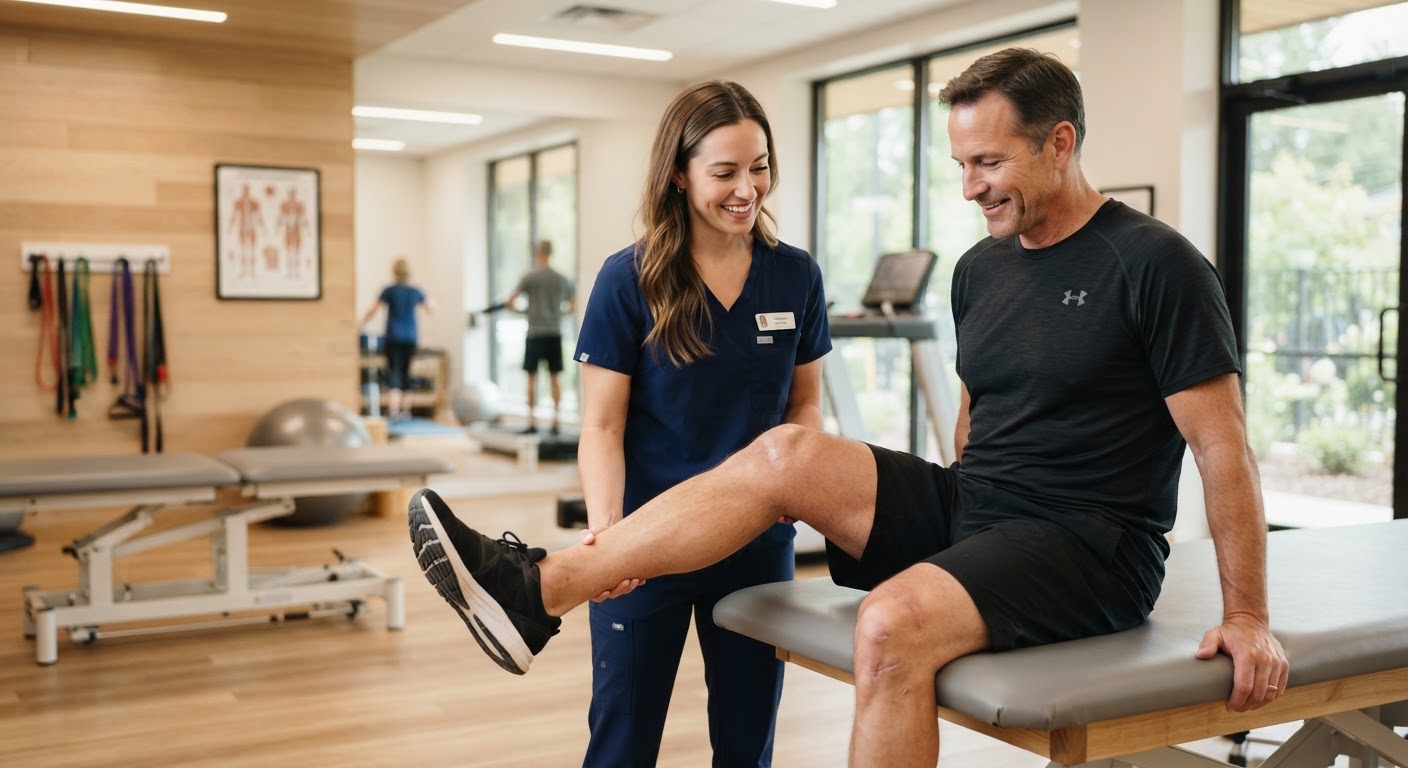
Depending on your procedure, early physical therapy may focus on safe ways to get in and out of bed, use stairs or an assistive device, and move around your home. Your therapist may also teach gentle exercises or positioning strategies. Not every exercise is appropriate after every surgery, so follow the plan provided for you rather than trying routines you find online.
Use prescribed medication as directed and ask your medical team what to expect from normal post-operative discomfort. Rest, hydration, and short bouts of movement may be part of your care plan. Contact your surgeon promptly if you experience concerning symptoms or a sudden change in how you feel.
Weeks One And Two: Building A Safe Routine
As the first phase progresses, your care team may gradually increase activity within your restrictions. Physical therapy often emphasizes gentle mobility, circulation, posture, and safe movement patterns. The purpose is not to push through pain or speed past healing, but to help your body adapt to movement in a controlled way.
Your therapist can show you how to complete approved home exercises with good form and how to pace daily tasks. Keep the exercises manageable and use the frequency your therapist recommends. If symptoms increase, make a note of what you were doing, when the discomfort began, and how long it lasted. Share that information at your next appointment so your plan can be adjusted.
Helpful habits include keeping frequently used items within easy reach, taking breaks before you become exhausted, and arranging for help with tasks your surgeon has restricted. Small adjustments can reduce strain and make it easier to stay consistent with your rehabilitation.
Weeks Two To Six: Restoring Mobility And Function
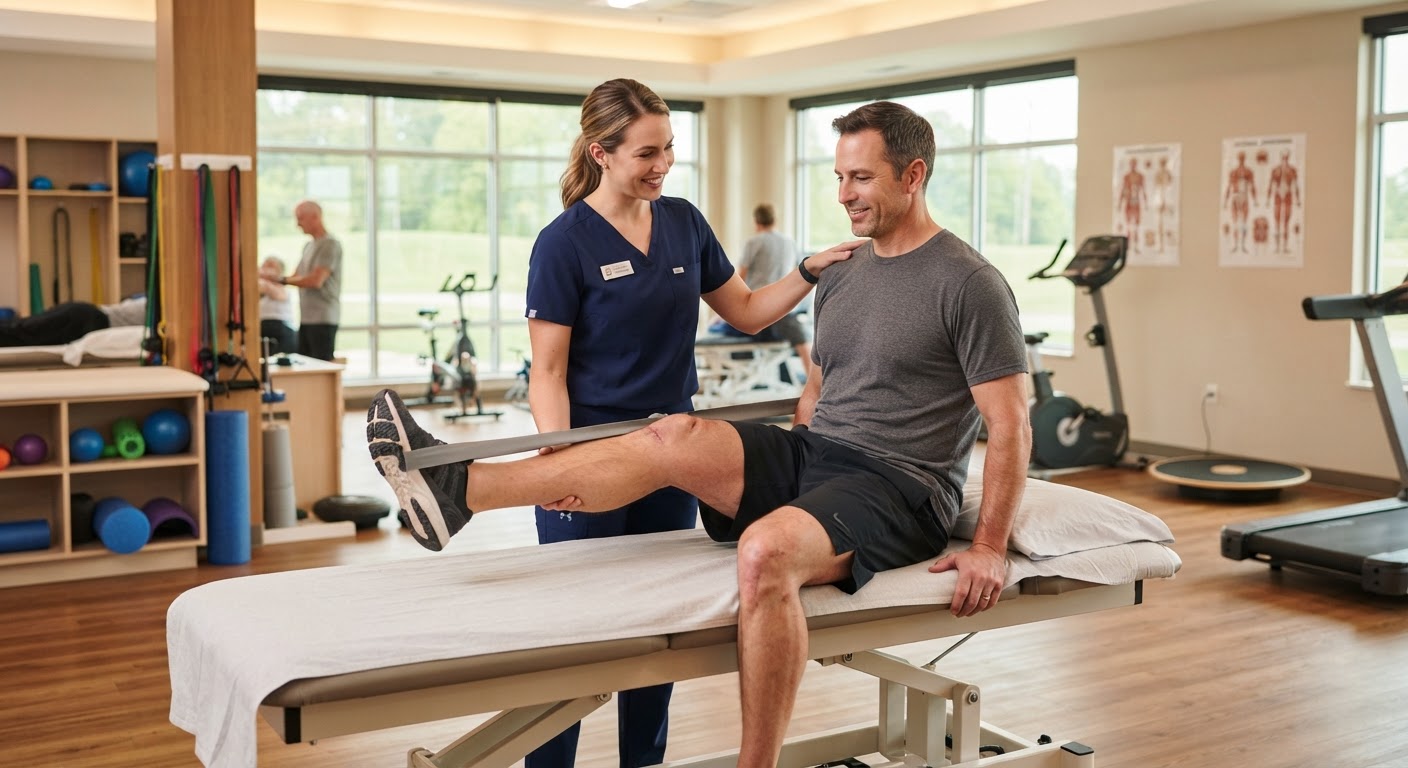
For many people, the next stage involves gradually improving range of motion, balance, and basic strength. Your therapist may progress exercises as your healing and movement allow. Depending on the surgery, you might practice walking, reaching, transfers, or other tasks connected to your home and work routines.
Progress is not always perfectly steady. You may have better days and more challenging days, especially as activity increases. Mild, temporary soreness can sometimes occur with rehabilitation, but sharp, worsening, or unexpected pain should not be ignored. Ask your therapist how to distinguish an expected response from a reason to pause and contact your medical team.
A simple activity log can help you track exercises, walking, sleep, and symptoms. It can also reveal whether you are doing too much at once. Rather than judging recovery by one difficult day, look for gradual changes over time, such as moving more comfortably or completing a daily task with less assistance.
Six Weeks And Beyond: Strength And Return To Activities
Later rehabilitation may focus on building strength, endurance, coordination, and confidence for more demanding activities. Your therapist may tailor exercises to the movements you need for work, hobbies, household responsibilities, or sport. The timing depends on the procedure and your progress, and some surgeries require longer restrictions than others.
Returning to an activity does not always mean returning immediately to your previous intensity. Your care team can help you increase duration or effort in steps and identify movements that still need modification. Attend follow-up appointments and get clearance from your surgeon before resuming activities that have been restricted.
Pain Relief And Practical Recovery Tips
Pain relief is an important part of recovery, but it does not mean eliminating every sensation before moving. Your physical therapist can discuss ways to make movement more comfortable, such as adjusting positioning, pacing tasks, or using approved mobility strategies. Use heat, ice, or other symptom-management methods only when they are appropriate for your procedure and consistent with your care instructions.
To support your recovery, keep appointments, ask questions when instructions are unclear, and practice only the exercises assigned to you. Set realistic short-term goals, such as walking a little farther when cleared or managing a daily task more comfortably. If a plan feels difficult to follow, let your therapist know. A useful rehabilitation program should reflect your medical precautions, current abilities, and personal goals.
Your Next Step Toward Recovery
A clear, individualized plan can help you move forward with greater confidence after surgery. Physical Therapy NOW™ provides guidance designed around your procedure, your surgeon’s precautions, and the activities that matter to you. If you are preparing for surgery or beginning recovery, visit the Physical Therapy NOW™ Bentonville location in Bentonville, AR, to discuss your goals and rehabilitation options. Call the Bentonville clinic to schedule a visit and take the next step toward safe movement, practical pain relief, and a stronger recovery.
Ready to start feeling better?
Physical Therapy NOW™ has 40+ Florida locations with same-week appointments. Most insurance, auto accident (PIP), workers' compensation and Medicare accepted.