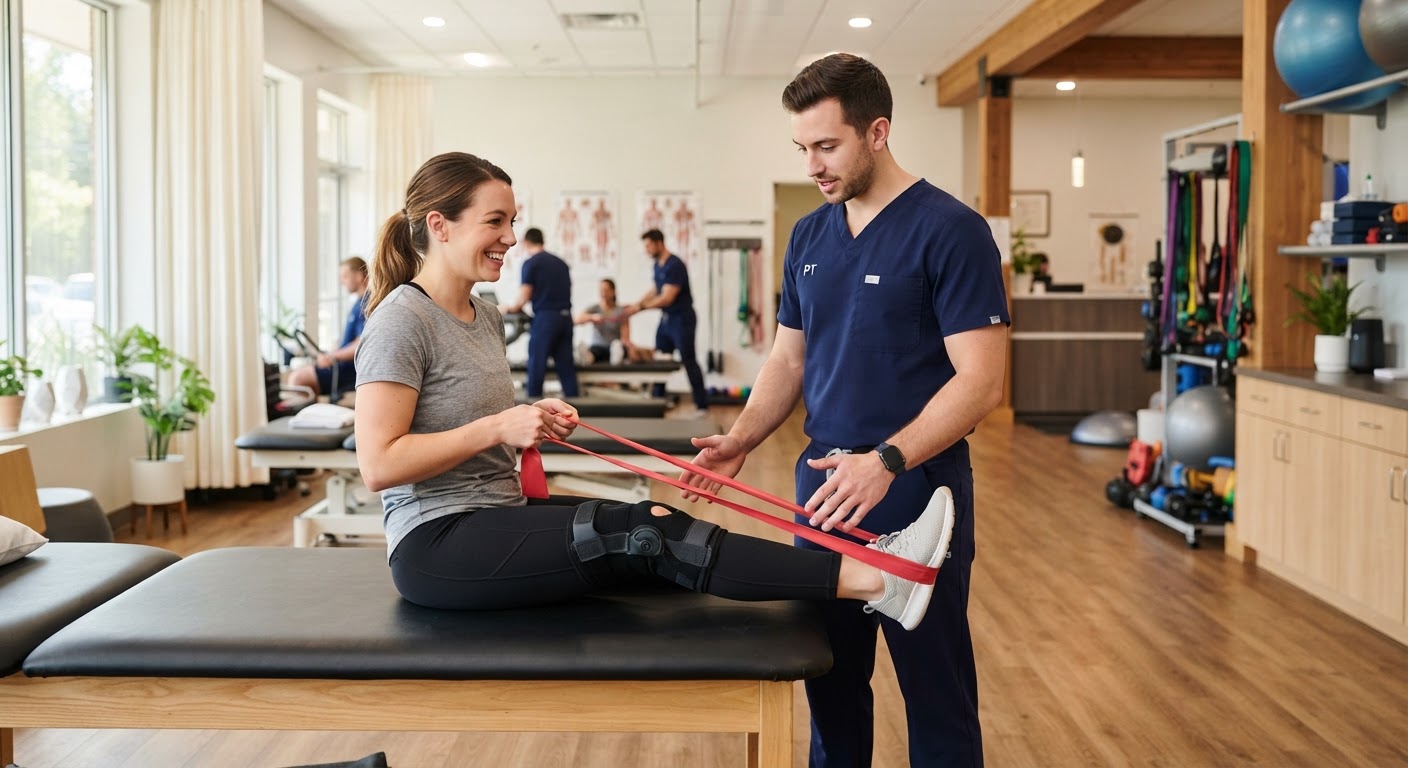
Post-Surgery Physical Therapy Recovery Timeline
Recovering after surgery can bring questions: When should movement begin? How long will rehabilitation take? What discomfort is normal? While there is no single timeline that fits every procedure or person, a physical therapist can help you follow your surgeon’s precautions, rebuild function, and work toward meaningful daily goals. Understanding the general stages of recovery can make the process feel more manageable.
At Physical Therapy NOW™, our team helps patients in Miami, FL, including people visiting the Allapattah location, understand their rehabilitation plan and take recovery one step at a time. Your specific schedule should always be guided by your surgeon and physical therapist.
Why Physical Therapy Matters After Surgery
Surgery may address an underlying problem, but tissues and movement often need time and guided practice to recover. Physical therapy can help you gradually restore mobility, strength, balance, and confidence with everyday activities. Your plan may also include strategies for pain relief, swelling management, safe walking, or returning to work and recreation.
The right exercises and timing depend on the procedure, your health, and the surgeon’s instructions. For example, a joint replacement, tendon repair, and abdominal surgery have different healing considerations. A physical therapist coordinates care around those restrictions rather than applying a one-size-fits-all program.
The Early Recovery Phase
The first days or weeks after surgery often focus on protecting the surgical area and managing basic movement. Depending on your procedure, your care team may recommend short walks, gentle circulation exercises, specific positioning, or assistance with transfers. Some people begin physical therapy in the hospital, while others start outpatient care after returning home.
Follow your discharge instructions closely. Keep follow-up appointments, use prescribed equipment as directed, and ask your surgeon when it is safe to put weight on a limb, remove a dressing, drive, or resume particular activities. Do not start, stop, or change exercises based only on a general timeline.
Helpful early recovery habits include keeping essential items within reach, using handrails or mobility aids as instructed, and taking brief movement breaks when approved. Write down questions and symptoms so you can share them at your next appointment. If pain suddenly worsens, a wound changes in a concerning way, or you experience symptoms your care team identified as urgent, contact your surgeon promptly or seek appropriate medical care.
Building Mobility And Everyday Function
As healing progresses and your clinician approves, rehabilitation may shift toward improving range of motion and making daily activities easier. Your physical therapist may guide controlled exercises, walking practice, balance work, or techniques for tasks such as getting dressed and climbing stairs. Progress is usually gradual. A movement that feels difficult at first may become more comfortable with consistent, appropriately dosed practice.
Expect your therapist to adjust the program based on how you respond. Mild, short-lived muscle effort can be part of exercise, but sharp, increasing, or lingering pain is a reason to pause and ask for guidance. Tell your therapist about changes in swelling, sleep, energy, or function. Open communication helps the team tailor activity and support pain relief without pushing beyond your current capacity.
Rest matters, too. Balance exercise with recovery time, follow instructions for ice or other symptom-management methods if approved, and avoid adding extra workouts without checking with your care team. Keeping a simple log of exercises and how you feel afterward can reveal patterns and help guide future sessions.
Restoring Strength And Returning To Activities
Later stages of physical therapy often emphasize strength, endurance, coordination, and the specific activities you want to resume. Depending on your goals, sessions may include progressive resistance exercises, movement training, or practice for job, household, or recreational tasks. Advancement should be based on your healing, movement quality, symptoms, and medical guidance—not the calendar alone.
A gradual return is important even when you feel better. Increase one activity variable at a time, such as duration or intensity, and give your body a chance to respond. Ask your physical therapist how to modify activities on more tiring days and what signs mean you should scale back. If you have a physically demanding job or sport, discuss a step-by-step return plan rather than testing your limits all at once.
What Can Affect Your Timeline
Recovery time varies with the operation, the tissues involved, your health and fitness before surgery, and any complications or additional medical conditions. Following precautions, attending appointments, and practicing the home program as prescribed can support progress, but they cannot guarantee a particular outcome or completion date. Some people need more time or changes to their plan, and that is not a personal failure.
Set short, practical goals with your care team. Examples might include walking safely to a nearby room, improving a movement needed for dressing, or returning to a valued hobby in stages. Celebrate steady improvements, including better confidence or easier daily tasks, rather than judging recovery only by pain levels or a fixed deadline.
Making The Most Of Rehabilitation
To get the most from physical therapy, bring your surgery instructions and medication or symptom questions to appointments. Wear comfortable clothing, share your priorities, and let your therapist know what feels difficult at home. Ask for a clear explanation of each exercise, how often to do it, and what response is expected. If the home program feels unmanageable, say so; your therapist can discuss ways to make it practical and appropriate.
Consistency is more useful than trying to do too much at once. Follow the plan you were given, avoid comparing your progress with someone else’s, and check with your care team before changing activity. Rehabilitation is a collaboration between you, your physical therapist, and your surgeon.
Take The Next Step Toward Recovery
A personalized plan can help you understand what to do now, what milestones may come next, and how to adapt if recovery changes course. Physical Therapy NOW™ can support your post-surgery rehabilitation with guidance tailored to your procedure, precautions, and goals. For care in Miami, FL, visit or call the Allapattah location to ask about getting started. Your surgeon’s instructions remain essential, and your physical therapist can help you move forward safely, one step at a time.
Ready to start feeling better?
Physical Therapy NOW™ has 40+ Florida locations with same-week appointments. Most insurance, auto accident (PIP), workers' compensation and Medicare accepted.