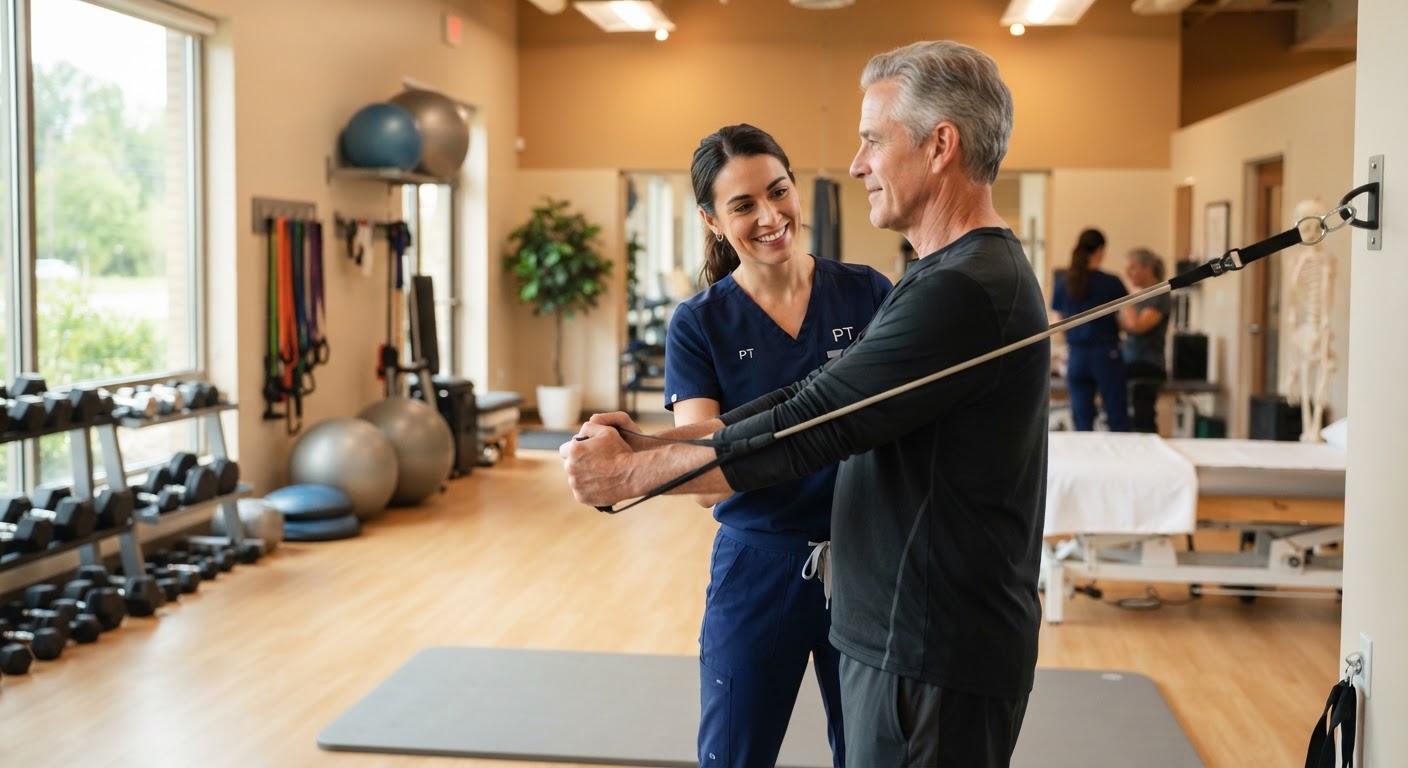
Pain can affect how you work, sleep, exercise, and enjoy time with family. Whether it began after an injury or developed gradually, it may leave you unsure which movements are safe and what to do next. Physical therapy can be an important part of a thoughtful pain management plan. At Physical Therapy NOW™ in West Kendall, Miami, FL, care is focused on understanding your needs and helping you move toward meaningful, everyday goals.
How Physical Therapy Supports Pain Management
Physical therapy looks beyond the painful area to consider how your body moves and how symptoms affect daily activities. A physical therapist may ask about your health history, examine your movement, strength, flexibility, balance, and function, and discuss the activities you want to get back to. This information helps guide a plan that fits your abilities and goals.
Treatment may include guided exercise, movement practice, hands-on techniques, and education. The right approach depends on your situation and may change as you progress. The goal is not simply to work through discomfort. It is to help you move safely, build capacity, and learn strategies that support pain relief and function.
A Personalized Approach to Rehabilitation
Pain has different causes, and people with similar symptoms may respond differently to treatment. Your physical therapist can help identify factors that may be contributing to difficulty with movement, such as reduced strength, limited mobility, or habits that place extra demand on an area. Together, you can set realistic goals and adjust your rehabilitation plan over time.
For some people, treatment may focus on returning to walking, lifting, or household tasks. For others, it may involve improving balance, gradually resuming exercise, or finding comfortable ways to perform work duties. Your plan should reflect your current health, preferences, and daily routine rather than a one-size-fits-all schedule.
What to Expect at a Physical Therapy Visit
Your first visit generally includes a conversation about your symptoms and goals, followed by an assessment appropriate to your needs. Be prepared to describe when the pain started, what activities change it, and how it affects your routine. It can also help to bring a list of medications, relevant medical information, and questions you would like to discuss.
Your physical therapist can explain what they observe and why certain activities may be included in your plan. You should feel comfortable asking questions, sharing concerns, and discussing what feels manageable. If an exercise or movement causes unusual or worsening symptoms, let your therapist know so the plan can be reviewed.
Practical Ways to Support Your Progress
Follow a gradual pace. Returning to activity too quickly can make it harder to understand how your body responds. Work with your physical therapist to set manageable steps and build activity over time.
Keep moving within your comfort and safety limits. Complete rest is not the right answer for everyone. Your therapist can suggest appropriate movement and ways to modify tasks while you are recovering.
Use good movement strategies. For activities such as lifting, reaching, or sitting for extended periods, small adjustments may make tasks more comfortable. Ask your therapist to demonstrate options that match your needs.
Make your home program practical. Choose a time and place that fit your routine, and follow the instructions you received. If an exercise is confusing or difficult to complete, ask for clarification rather than guessing or pushing through.
Track what matters to you. Note changes in activities, sleep, mobility, or confidence, not just the intensity of pain. These details can help you and your therapist decide whether your plan needs adjustment.
Communicate consistently. Recovery is not always a straight line. Share changes in symptoms, new limitations, and improvements at follow-up visits so your care can respond to what is happening.
When to Seek Medical Guidance
A physical therapist can help you understand movement-related concerns, but some symptoms need prompt medical attention. Seek urgent care for severe or sudden symptoms, a major injury, new weakness or numbness, or other concerning changes. If you are uncertain whether physical therapy is appropriate, contact a healthcare professional for guidance. Your therapist can also coordinate with your other providers when needed.
Taking the Next Step Toward Pain Relief
Physical therapy may help you build strength, improve mobility, and feel more confident with daily activities. Progress can take time, and results vary depending on the person and the cause of the symptoms. A clear plan, regular communication, and manageable practice can make rehabilitation more purposeful.
Physical Therapy NOW™ provides care tailored to your goals at its West Kendall location in Miami, FL. If pain is making everyday movement harder, visit or call the West Kendall clinic to ask about scheduling an evaluation. Take the next step toward a plan designed around your needs and your life.
Ready to start feeling better?
Physical Therapy NOW™ has 40+ Florida locations with same-week appointments. Most insurance, auto accident (PIP), workers' compensation and Medicare accepted.