Managing Chronic Back Pain With Physical Therapy
Chronic back pain can make everyday activities feel harder, from sitting through a workday to lifting groceries or enjoying a walk. It may come and go, or linger for months, affecting sleep, movement, and confidence. While the right approach depends on the person and the cause of the pain, physical therapy can help many people build strength, improve mobility, and find practical ways to manage symptoms.
At Physical Therapy NOW™ in Coral Gables, FL, care can begin with a conversation about your symptoms, daily routine, and goals. Understanding what affects your back is an important first step toward a safe, personalized rehabilitation plan.
Understanding Chronic Back Pain
Back pain is considered chronic when it persists or recurs over an extended period, often three months or more. It can involve the muscles, joints, discs, nerves, or other structures, and sometimes there is no single clear source. Pain may also be influenced by sleep, stress, activity levels, previous injuries, or the demands of work and home life.
Having ongoing pain does not automatically mean that your back is being damaged every time you move. However, new or changing symptoms should be assessed by an appropriate healthcare professional. A physical therapist can review your movement and function, discuss your history, and help determine whether physical therapy is a suitable part of your care. When needed, they can recommend that you consult another provider.
How Physical Therapy Can Help
Physical therapy focuses on improving how your body moves and performs the tasks that matter to you. Your therapist may assess mobility, strength, balance, posture, and tolerance for activities such as walking, bending, or lifting. The findings help shape a plan that can be adjusted as your abilities and needs change.
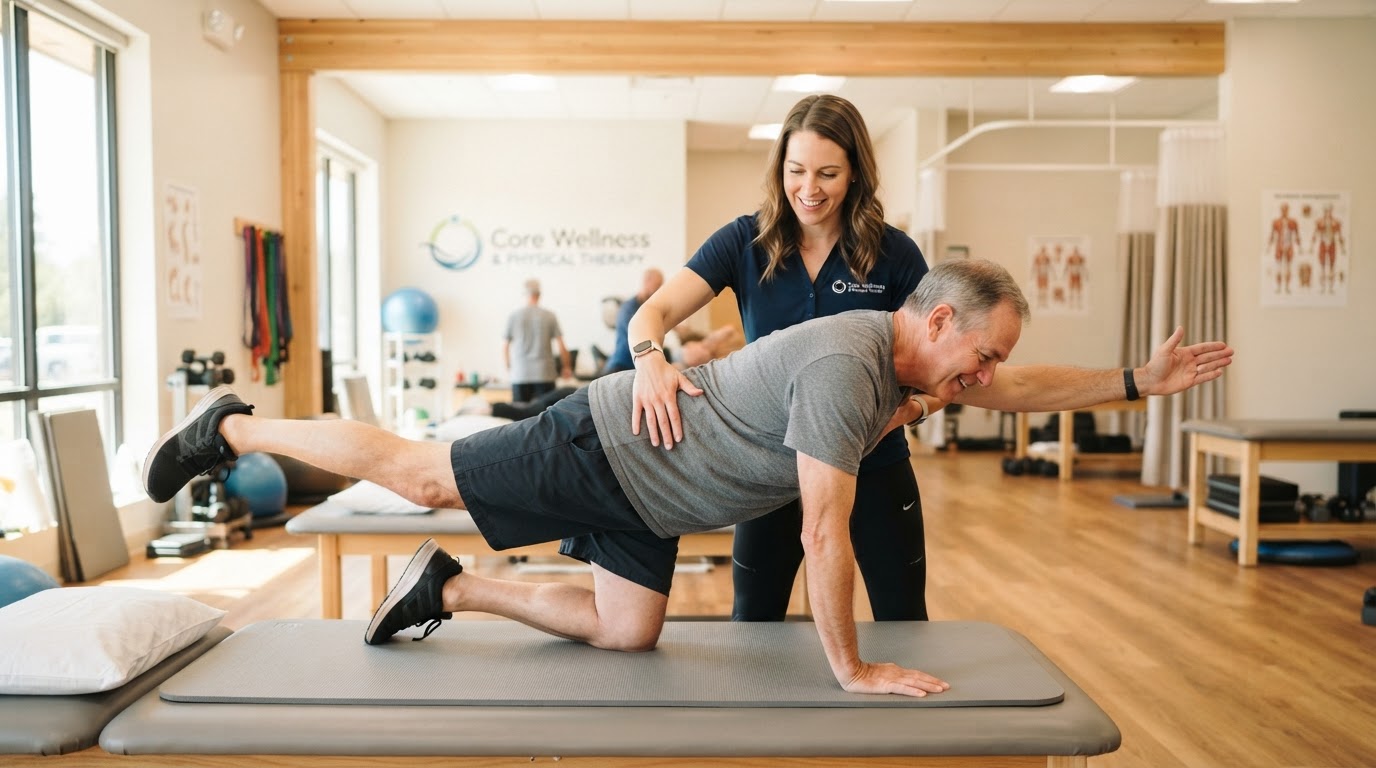
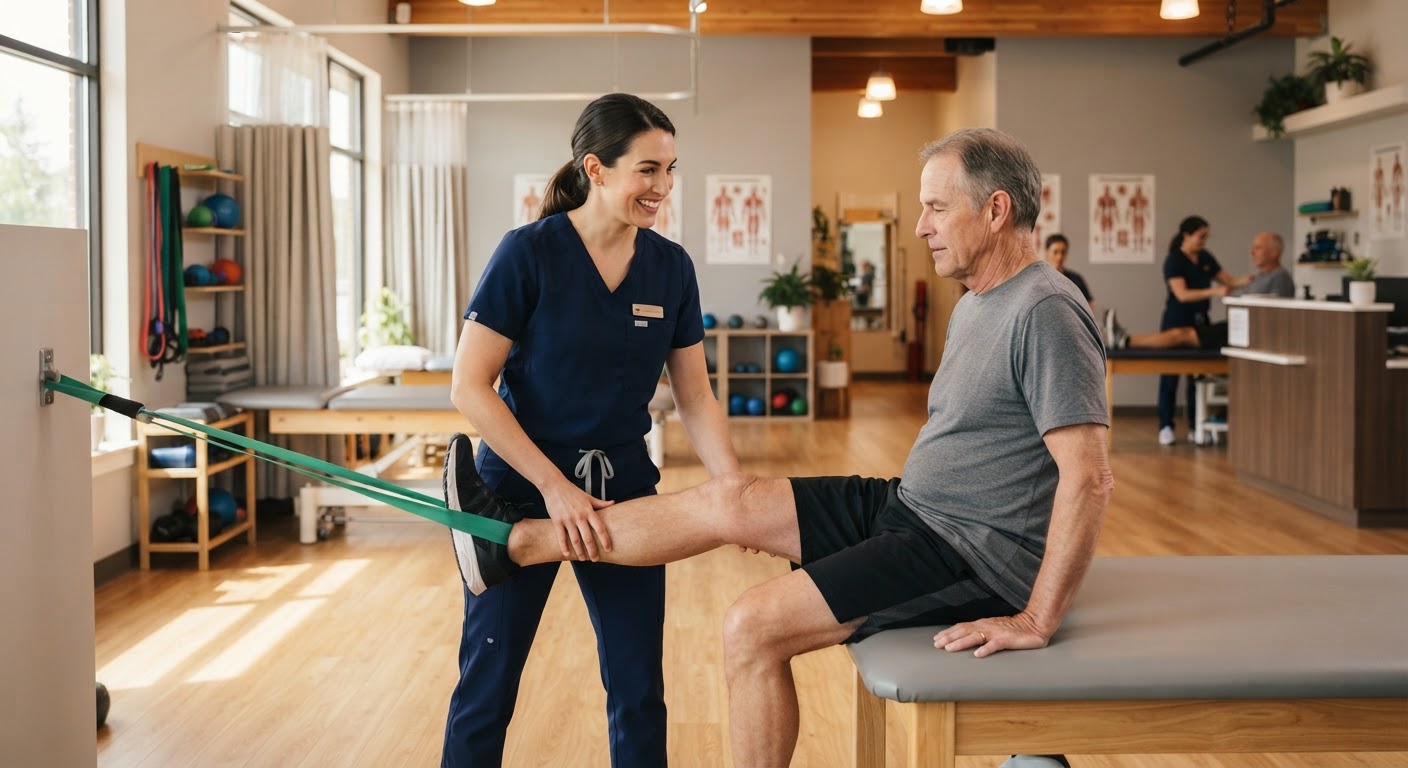
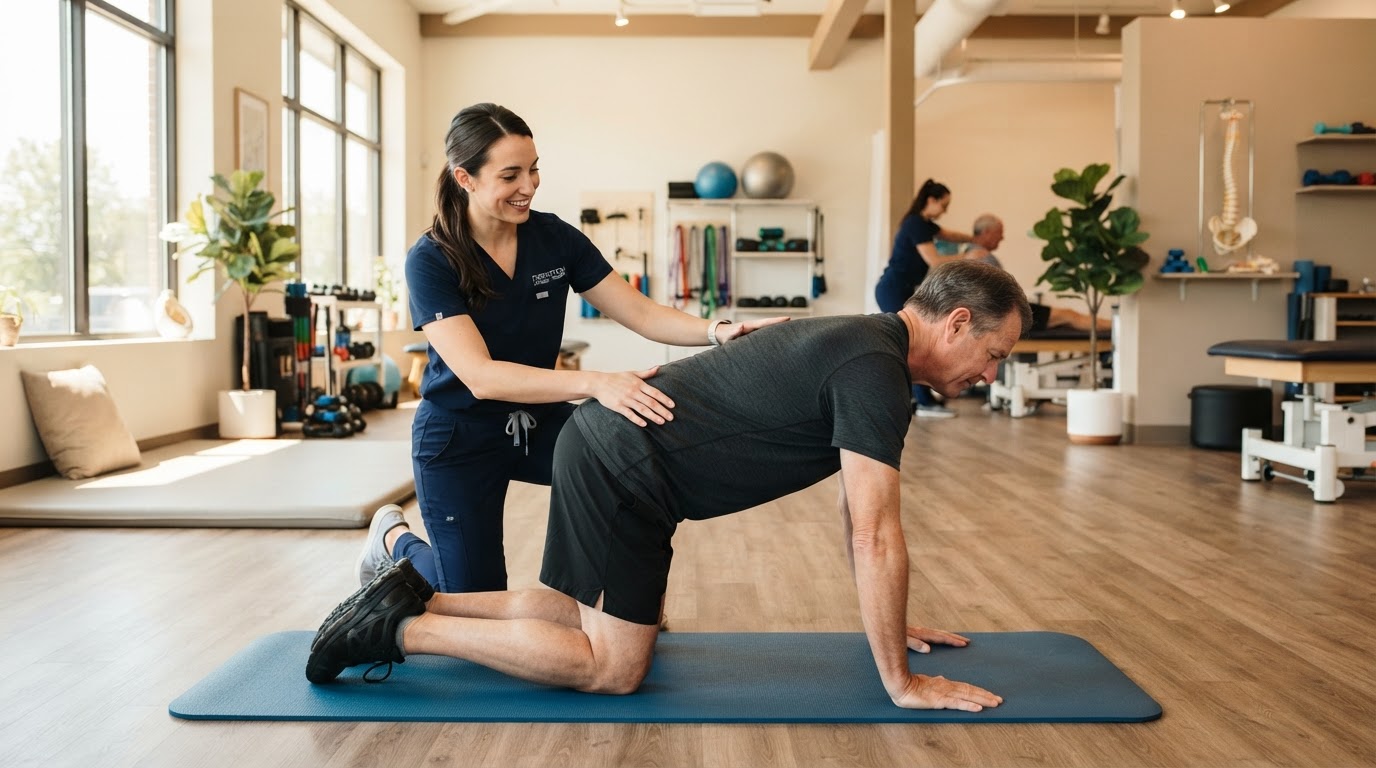
Treatment may include therapeutic exercises to build strength and flexibility, movement practice for daily tasks, and education about pacing and symptom management. Some people may also benefit from hands-on techniques as part of a broader program. These approaches are not one-size-fits-all, and progress can take time. The aim is to support function and meaningful pain relief, not to promise a quick fix or a particular outcome.
An active plan can also help you feel more capable. Rather than avoiding every movement that causes discomfort, you and your therapist can work on finding manageable ways to stay active and gradually increase activity when appropriate. Your plan should reflect your comfort, health history, and goals.
Practical Tips For Daily Life
Small adjustments can make everyday movement more manageable. Consider these strategies and discuss any concerns with your physical therapist:
Stay gently active. If long periods of rest leave you feeling stiff, try short, comfortable bouts of walking or another activity you tolerate. Build gradually, and modify the activity if symptoms become difficult to manage.
Change positions regularly. At work or at home, take brief movement breaks instead of staying in one position for hours. There is no single perfect posture for everyone; changing positions can be more useful than trying to hold one rigid position all day.
Use a comfortable lifting strategy. Bring an object close to your body, keep your movement controlled, and avoid twisting while carrying a heavy load. When possible, divide a heavy load into smaller portions or ask for help.
Pace demanding tasks. Break chores into shorter steps, alternate heavier and lighter activities, and plan rest breaks before you become exhausted. Pacing helps you work toward consistency without overloading your day.
Notice patterns. A simple log of activity, sleep, and symptoms may help you identify what makes your back feel better or worse. Use it to guide a conversation with your care team rather than to judge yourself for having symptoms.
Support recovery habits. Regular sleep routines, enjoyable movement, and stress-management practices can complement rehabilitation. These steps do not replace clinical care, but they may support your overall well-being.
Building A Personalized Rehabilitation Plan
A useful rehabilitation plan should connect treatment to your everyday goals. For one person, that may mean standing comfortably while cooking. For another, it may involve returning to recreational activity or managing a physically demanding job. Clear goals help you and your therapist track changes in function and decide when to progress or modify exercises.
Tell your therapist how symptoms respond during and after activity, including whether discomfort settles or continues to increase. Do not push through sharp, severe, or unfamiliar pain without guidance. Your program may change over time as strength, mobility, and confidence improve. Consistency matters, but the right pace is individual.
Physical Therapy NOW™ serves people seeking personalized physical therapy in Coral Gables, FL. A therapist can help you understand your options and discuss whether in-clinic care, a home exercise program, or a combination may fit your needs.
When To Seek Medical Attention
Seek prompt medical care for back pain accompanied by new loss of bowel or bladder control, numbness in the area around the groin or saddle region, or sudden, significant weakness in a leg. Contact a healthcare professional if pain follows a serious injury, is accompanied by fever or unexplained weight loss, or is worsening in a way that concerns you. This list is not exhaustive; if symptoms feel urgent, seek appropriate care.
Take A Practical Next Step
Living with chronic back pain can be frustrating, but a thoughtful plan can help you move toward better function and day-to-day confidence. Physical therapy offers guidance, individualized exercise, and strategies you can apply beyond the clinic. Contact Physical Therapy NOW™ at the Coral Gables location to ask about an evaluation or discuss your goals. Call or visit the clinic to take a first step toward personalized care and practical pain relief.
Ready to start feeling better?
Physical Therapy NOW™ has 40+ Florida locations with same-week appointments. Most insurance, auto accident (PIP), workers' compensation and Medicare accepted.