Living with back pain day after day can make ordinary activities feel difficult. Sitting at work, getting dressed, walking the dog, or enjoying time with family may take more effort than they should. Chronic back pain is commonly used to describe pain that lasts for 12 weeks or longer, even when the original injury or cause has improved. The good news is that a thoughtful rehabilitation plan can help many people move with greater confidence and find meaningful pain relief.
Physical therapy is not simply a set of exercises. It is a personalized approach to understanding what affects your symptoms, building physical capacity, and finding safer, more comfortable ways to move. At Physical Therapy NOW™ in Palm Beach Gardens, a physical therapist can work with you to set practical goals and create a plan suited to your needs and daily life.
Why Back Pain Can Persist
Back pain may be related to several factors, including muscle or joint irritation, a previous injury, reduced strength, limited mobility, or the demands of work and daily routines. Stress, poor sleep, and worry about movement can also influence how pain feels. In many cases, there is no single cause that explains every symptom.
Because each person’s experience is different, an individualized assessment matters. A physical therapist may ask about your health history, activities, and goals, then assess movement, strength, flexibility, and balance. This helps guide treatment and identify activities that may need temporary adjustment. It can also help determine whether you should seek additional medical evaluation.
How Physical Therapy Can Help
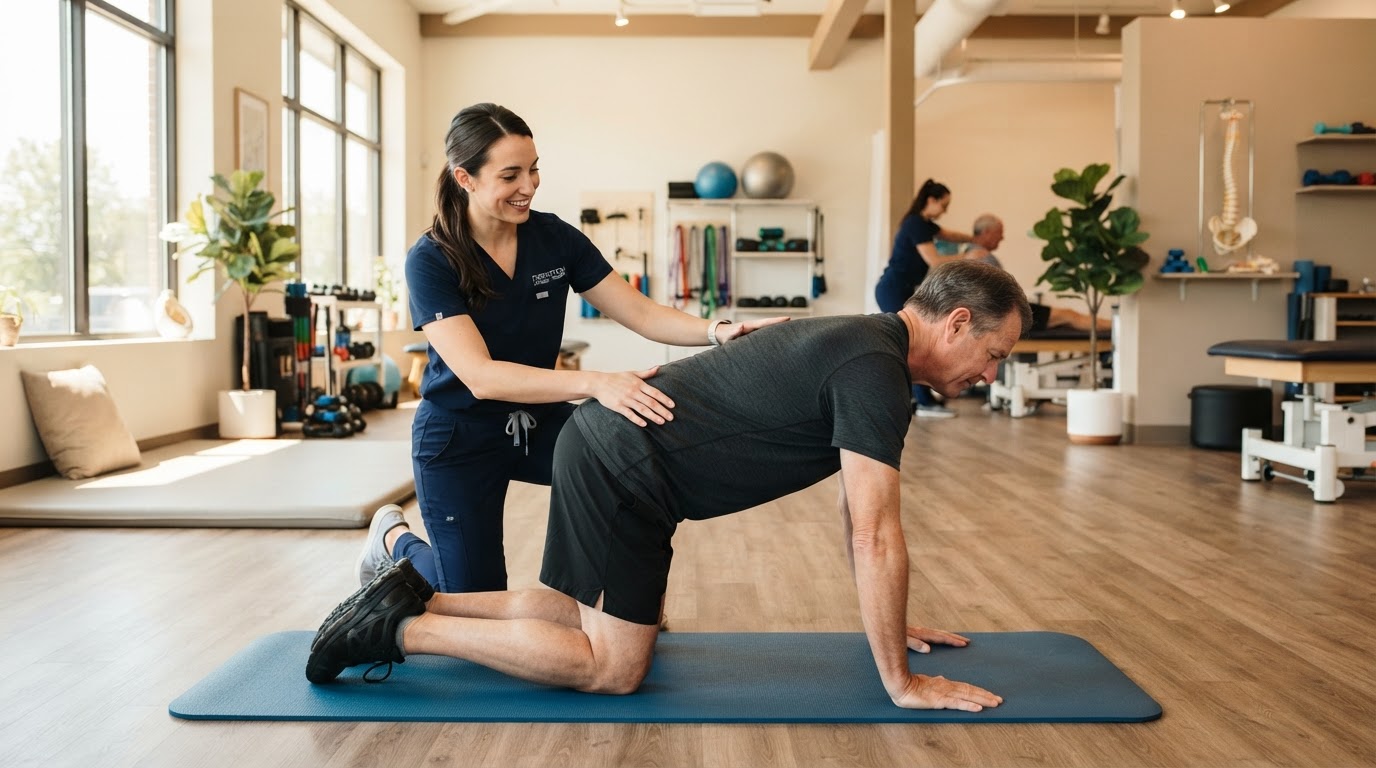
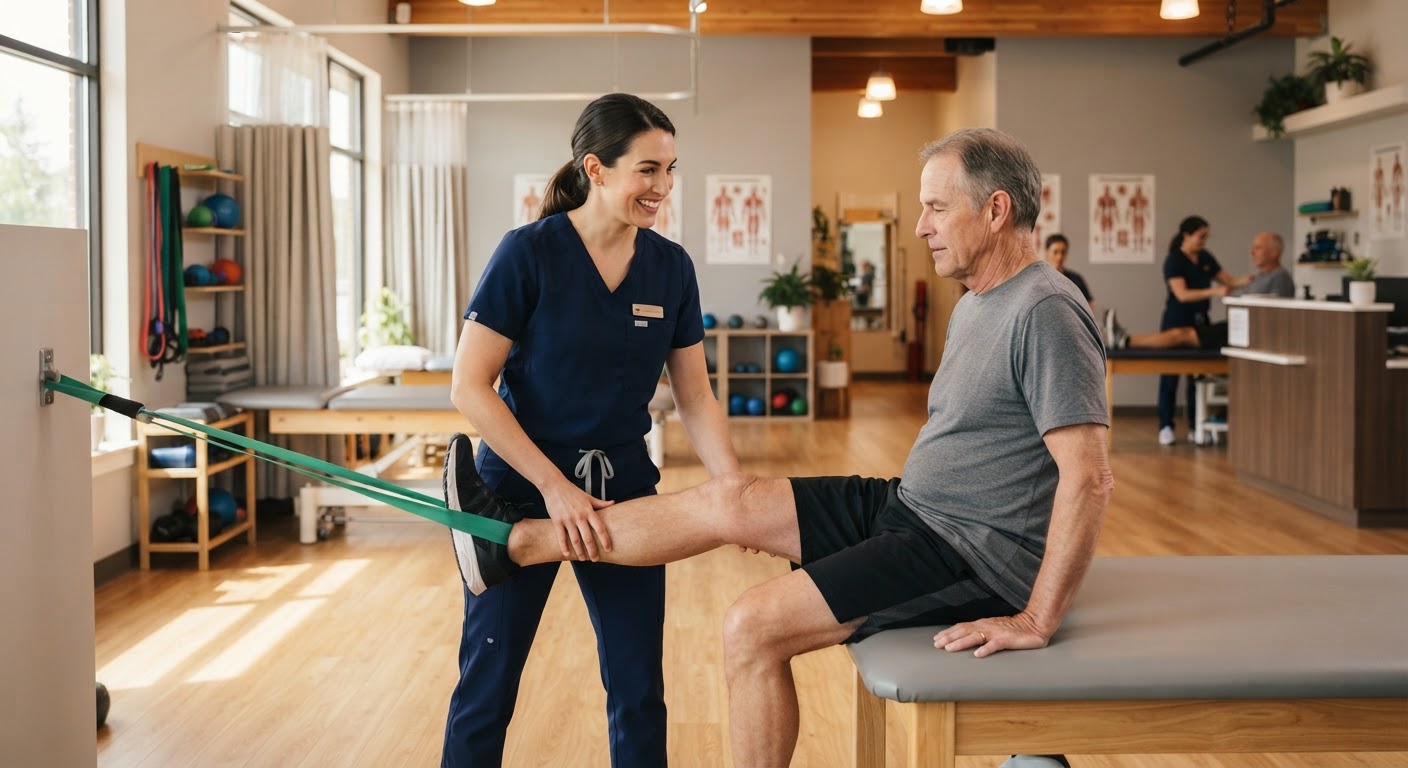
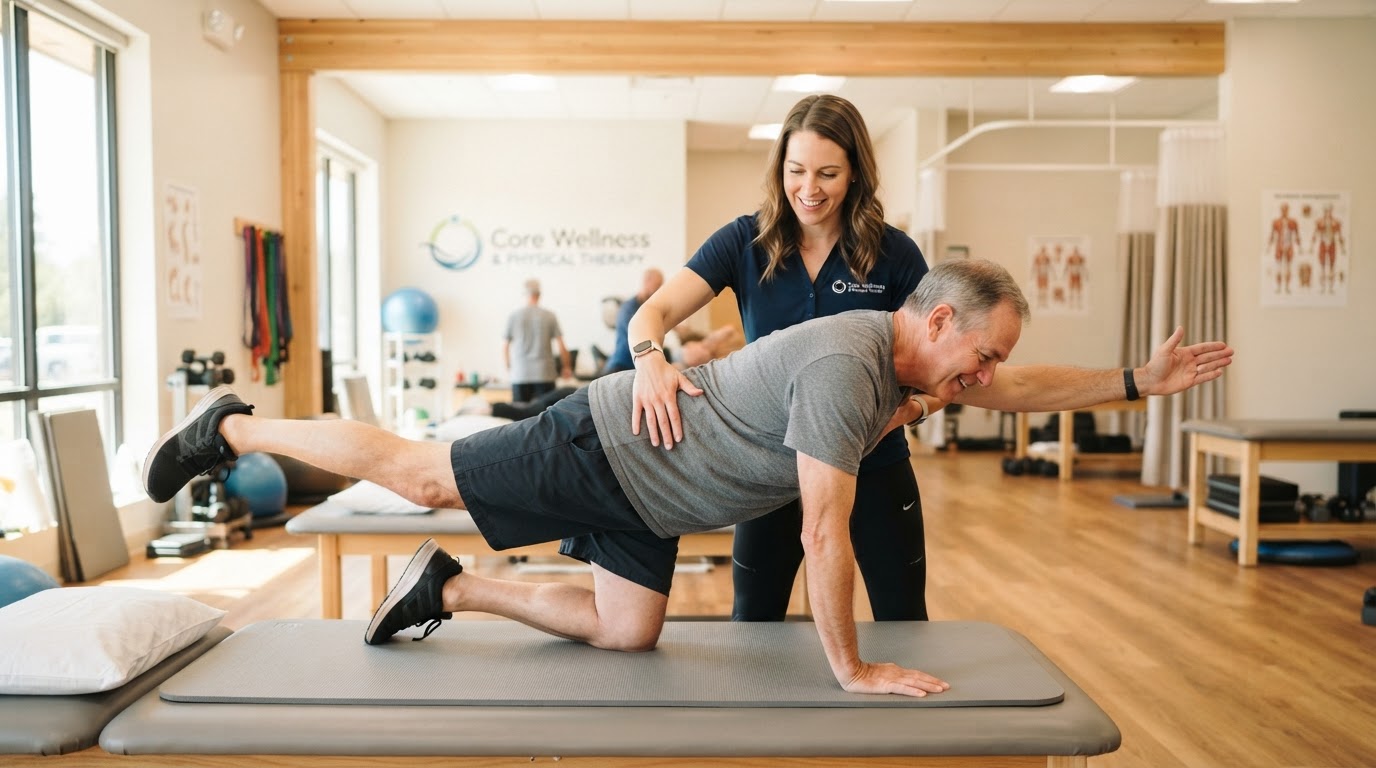
A physical therapy program for chronic back pain typically focuses on improving function, not just easing discomfort in the moment. Depending on your assessment, treatment may include strengthening exercises for the trunk, hips, and legs; mobility work; movement practice; and guidance on gradually returning to valued activities.
Your therapist can help you build strength and endurance at a manageable pace. Starting with an appropriate level is important: exercises should challenge you without making symptoms unmanageable. Some temporary discomfort can occur as you return to movement, but sharp, worsening, or unusual pain is a reason to stop and discuss your response with your provider.
Hands-on techniques may be used when appropriate, but they are generally most useful as part of a broader plan that also includes active movement and self-management skills. Your therapist can adjust the plan based on how you respond, so rehabilitation progresses at a pace that feels realistic.
Practical Ways To Support Your Progress
Keep moving in a way that works for you. Long periods of bed rest can make it harder to regain strength and tolerance for activity. If a task aggravates your symptoms, try changing the position, duration, or pace rather than giving up movement altogether. Short walks or brief movement breaks may be more comfortable than one long bout of activity.
Build activity gradually. Choose a starting point you can repeat consistently, then increase time, distance, or effort a little at a time as tolerated. Your physical therapist can help you decide what progression makes sense for your condition and goals.
Vary your positions throughout the day. If you sit for work, stand, stretch gently, or take a short walk at regular intervals. When lifting, keep the load close to your body and avoid rushing. There is no single perfect posture for everyone; changing positions and building strength are often more useful than trying to hold one rigid position all day.
Pay attention to recovery. Sleep, stress management, and a balanced routine can affect how well you cope with pain. Try a calming bedtime routine, take brief breaks to breathe and reset, and plan demanding tasks around your energy. These steps are not a substitute for care, but they can support your overall rehabilitation plan.
Stay in communication with your care team. Note which activities feel easier, what tends to increase symptoms, and how long it takes to recover. This information can help your therapist tailor exercises and make practical adjustments. Consistency is often more valuable than pushing hard on a day when you feel better.
When To Seek Medical Attention
Most back pain is not an emergency, but some symptoms need prompt medical attention. Seek urgent care for new loss of bowel or bladder control, numbness in the groin or saddle area, or significant or rapidly worsening weakness in the legs. Contact a healthcare professional if pain follows a serious accident, comes with fever or unexplained weight loss, or is worsening despite appropriate care. A physical therapist can also help determine when a referral or further evaluation is appropriate.
Make A Plan For Lasting Function
Managing chronic back pain is often a gradual process. Progress may mean walking farther, sleeping more comfortably, returning to a hobby, or feeling more confident with everyday tasks, even if symptoms do not disappear overnight. A physical therapist can help you set meaningful goals, adjust your plan, and develop strategies you can continue using at home and at work.
If back pain is limiting your routine, contact Physical Therapy NOW™ at the Palm Beach Gardens location to ask about an evaluation and personalized physical therapy plan. Call or visit the Palm Beach Gardens clinic to take a practical next step toward better movement, improved function, and pain relief.
Ready to start feeling better?
Physical Therapy NOW™ has 40+ Florida locations with same-week appointments. Most insurance, auto accident (PIP), workers' compensation and Medicare accepted.