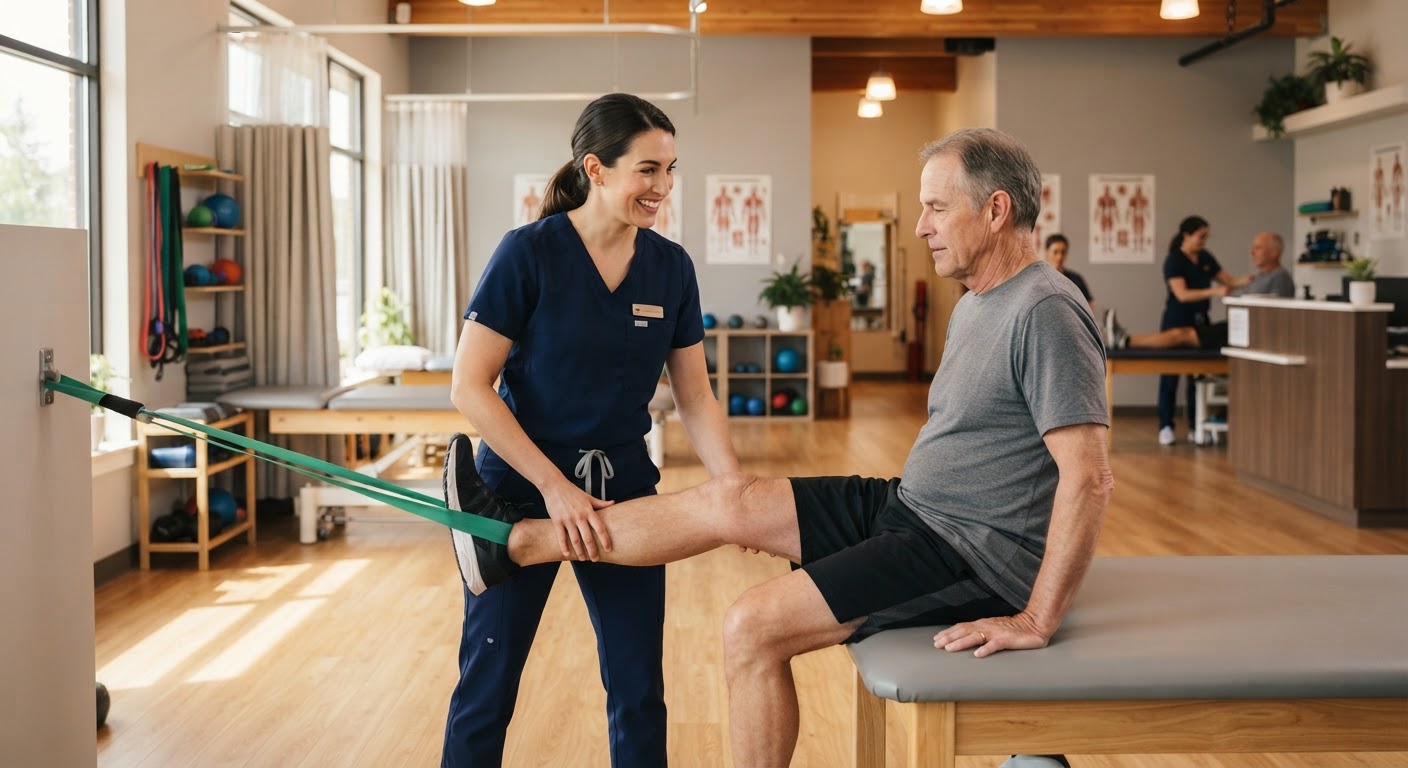
Pain can affect far more than the area that hurts. It may make walking, working, sleeping, exercising, or enjoying time with family more difficult. Physical therapy offers a personalized, movement-focused approach to pain management that can help you improve function and work toward meaningful goals. At Physical Therapy NOW™ in Miami, FL, care is tailored to your needs, comfort, and daily routine.
Understanding Pain And Movement
Pain is a personal experience, and it can have many contributing factors. An injury, surgery, repetitive activity, changes in strength or mobility, and long periods of inactivity may all play a role. Pain that continues over time can also lead people to move less or avoid activities they value. While resting may be helpful in some situations, avoiding movement for too long can contribute to stiffness, reduced strength, and lower confidence with activity.
A physical therapist can assess how your body moves and discuss how pain affects your life. The goal is not simply to focus on a sore spot. Your therapist may consider strength, flexibility, balance, posture, movement habits, and the demands of your work or hobbies. This broader view helps guide rehabilitation that addresses your functional needs, not just a single symptom.
How Physical Therapy Can Support Pain Relief
Physical therapy uses movement, education, and other appropriate treatment strategies to help people manage pain and improve their ability to participate in daily activities. Depending on your evaluation and goals, your plan may include therapeutic exercises, mobility work, balance training, hands-on techniques, or guidance on modifying certain tasks.
Exercise is introduced at a level that fits your current abilities. A therapist can help you practice movements with appropriate form and gradually adjust the challenge as you progress. This can support strength, coordination, and confidence. Your therapist may also teach pacing strategies, such as breaking a demanding task into shorter periods, so you can stay active without doing too much at once.
Education is another important part of care. Understanding how to move safely, what to expect during recovery, and how to respond to changes in symptoms can make it easier to take an active role in your progress. Physical therapy is not a promise of instant pain relief, and results vary. Your care team can help you set realistic goals and adjust your plan as your needs change.
A Personalized Rehabilitation Plan
Your first appointment typically includes a conversation about your health history, symptoms, daily activities, and goals. Your physical therapist may evaluate movement, strength, flexibility, balance, and other relevant factors. Share what makes your pain better or worse, when it began, and how it affects your routine. This information helps your therapist shape a plan that is appropriate for you.
Goals should reflect what matters in your life. You may want to walk more comfortably, return to a sport, manage household tasks, or feel more confident at work. Your therapist can break a larger goal into practical steps and review your progress along the way. If an activity causes a concerning change in symptoms, let your therapist know rather than pushing through without guidance.
At Physical Therapy NOW™, the FIU Center location serves people in Miami, FL who are looking for individualized physical therapy and rehabilitation support. Your therapist can explain the purpose of recommended activities and help you understand how they fit into your plan.
Practical Tips You Can Use
Small, consistent habits can complement your care. Follow the home exercise instructions provided by your physical therapist, and ask for clarification if a movement is difficult to understand. Do not add extra repetitions or increase resistance unless your therapist has advised you to do so.
Build activity gradually. If you have been less active, begin with a manageable amount of walking or another activity approved for your situation. Increase duration or effort in small steps, and allow time for recovery. A brief symptom and activity journal can help you notice patterns and share useful details during appointments.
Pay attention to how you set up everyday tasks. Take brief movement breaks during long periods of sitting, keep frequently used items within comfortable reach, and consider changing positions throughout the day. When lifting, keep the load close to your body and ask for help with objects that feel too heavy or awkward. These adjustments may reduce strain, but your therapist can offer advice specific to your needs.
Sleep, hydration, and a balanced routine also matter for overall well-being. Choose changes that are realistic for you, and discuss questions about activity or symptom changes with your healthcare provider. Avoid comparing your progress with someone else’s; recovery and pain experiences differ from person to person.
When To Seek Professional Guidance
Consider speaking with a physical therapist when pain limits activities, movement feels difficult, or you are unsure how to return to exercise after an injury or procedure. A qualified professional can help determine whether physical therapy is appropriate and whether you should consult another healthcare provider. Seek urgent medical attention for severe or sudden symptoms, or symptoms accompanied by concerning changes such as difficulty breathing, significant weakness, or loss of bladder or bowel control.
Take The Next Step Toward Better Movement
You do not have to figure out a pain management plan on your own. Physical therapy can provide guidance, progressive exercise, and practical strategies to help you move toward your goals. Contact Physical Therapy NOW™ to ask about an evaluation at the FIU Center in Miami, FL. Call or visit the FIU Center location to discuss your needs and take a supported next step toward improved movement and pain relief.
Ready to start feeling better?
Physical Therapy NOW™ has 40+ Florida locations with same-week appointments. Most insurance, auto accident (PIP), workers' compensation and Medicare accepted.