How Physical Therapy Supports Pain Management
Pain can make everyday activities feel difficult, from getting out of bed to working, exercising, or spending time with family. While resting may seem like the safest response, avoiding movement for too long can sometimes contribute to stiffness, weakness, and reduced confidence. Physical therapy offers a guided way to address pain, improve function, and help you return to the activities that matter to you.
At Physical Therapy NOW™ in Irving, patients receive care focused on their goals, abilities, and individual circumstances. Whether pain began recently or has lasted for months, a physical therapist can help you understand your options and develop a plan for moving forward. For people in the Dallas, TX area, physical therapy may be an important part of a comprehensive pain management approach.
Understanding Pain And Movement
Pain is a personal experience, and it can have many contributing factors. An injury, repetitive movement, changes in strength or mobility, or a health condition may affect how your body feels and functions. Pain does not always mean that movement is causing more damage. In many situations, appropriately paced activity can help maintain mobility and support recovery.
A physical therapist will consider more than the location of your symptoms. They may ask about your health history, daily routines, work demands, and goals. They can also assess movement, strength, balance, flexibility, and how particular activities affect your symptoms. This information helps guide care rather than relying on a one-size-fits-all exercise routine.
How Physical Therapy Can Help
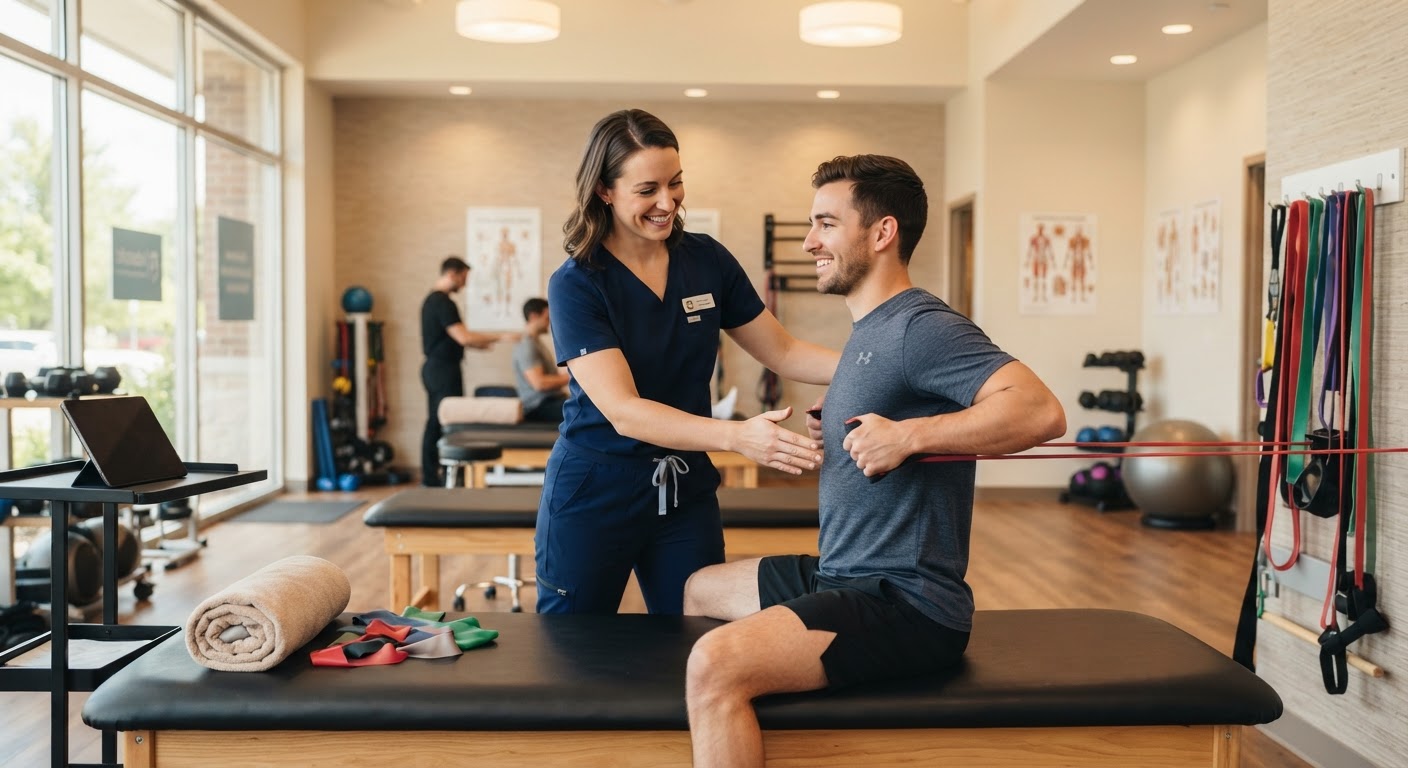
Physical therapy for pain management may combine several approaches. Your plan could include therapeutic exercise, mobility work, hands-on techniques, balance training, or guidance on changing how you perform certain tasks. The right combination depends on your needs and how your body responds over time.
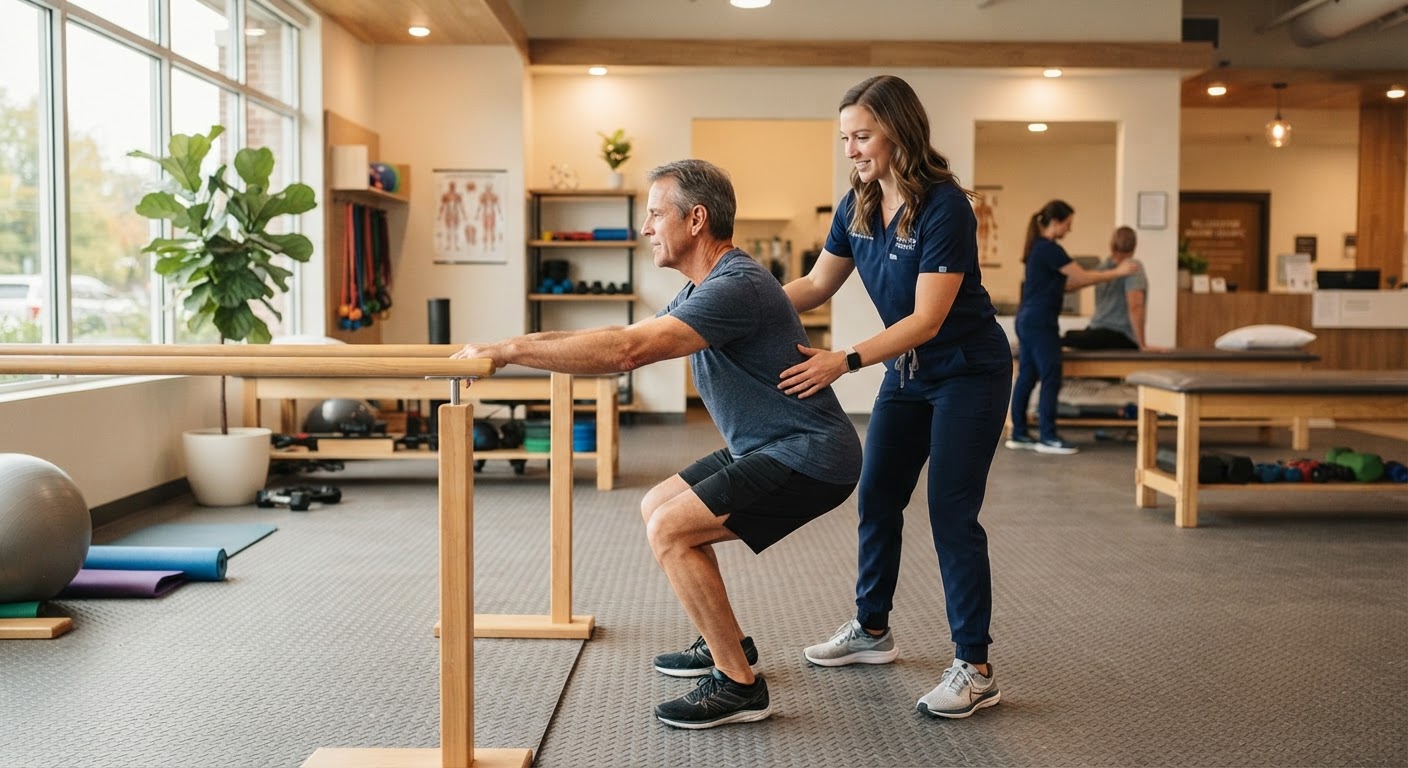
Exercise is often an important part of rehabilitation. A therapist can help you start at an appropriate level and gradually build strength, flexibility, and stamina. For example, someone with back discomfort might practice movements that support everyday bending and lifting, while someone with knee pain may work on strength and control for walking or using stairs. Progress is guided by your symptoms and functional goals.
Education is another key part of care. Understanding how to pace activity, adjust a movement, or respond to a temporary increase in symptoms may make it easier to stay engaged. Your physical therapist can explain which changes are expected and when to check in about new or worsening symptoms. Physical therapy does not promise an instant fix, but consistent, individualized care can help many people work toward better movement and pain relief.
Conditions And Goals That May Benefit
People seek physical therapy for many types of pain, including discomfort affecting the back, neck, shoulders, hips, knees, or other joints. Care may also help with recovery after an injury or surgery, or with challenges related to balance, mobility, and everyday function. Your therapist can discuss whether physical therapy is appropriate for your situation and whether coordination with another healthcare professional is needed.
Goals are not limited to reaching a particular pain score. You might want to walk farther, sleep more comfortably, return to a hobby, lift at work with better confidence, or manage household tasks. Identifying meaningful goals can make your rehabilitation plan more relevant and help you notice progress in practical ways.
What To Expect At An Appointment
Your first visit generally includes a conversation about your symptoms, health history, and goals, along with an assessment of movement and function. Be ready to describe when the pain began, what seems to affect it, and which activities are hardest. Wear comfortable clothing that allows you to move, and bring relevant instructions or information from your healthcare provider if available.
Your therapist will explain the recommended plan and may give you exercises or activity suggestions to practice between visits. Share feedback honestly, including what feels manageable and what does not. Your plan can be adjusted as your needs change. At Physical Therapy NOW™, the aim is to help you understand your care and take an active role in rehabilitation.
Practical Tips For Managing Pain Between Visits
Start with a comfortable amount of movement. Short, manageable walks or gentle mobility activities may be more achievable than trying to do too much at once. Follow your therapist’s recommendations, and ask before adding exercises that have not been discussed with them.
Pace demanding tasks by breaking them into smaller steps. Alternate activities when possible, take planned breaks, and notice whether a particular position or movement repeatedly aggravates your symptoms. For lifting, keep the load close to your body and avoid rushing; ask your therapist to review work or home movements that are challenging.
Keep track of useful patterns. A brief note about activity, symptoms, sleep, and what helped can give you and your therapist helpful information. Most importantly, do not assume that every increase in discomfort means you have caused harm. If symptoms feel unusual, significantly worsen, or do not settle as expected, contact your healthcare provider for guidance.
Take A Supported Step Toward Pain Relief
Managing pain is often a process, and the most helpful plan is one that fits your body and daily life. Physical therapy can provide professional guidance, structured movement, and practical strategies to support function and confidence. The team at Physical Therapy NOW™ in Irving can discuss your concerns and help you explore next steps.
If pain is limiting your routine, visit or call the Irving location to ask about scheduling an appointment. Take the first step toward a personalized rehabilitation plan and movement goals that matter to you.
Ready to start feeling better?
Physical Therapy NOW™ has 40+ Florida locations with same-week appointments. Most insurance, auto accident (PIP), workers' compensation and Medicare accepted.