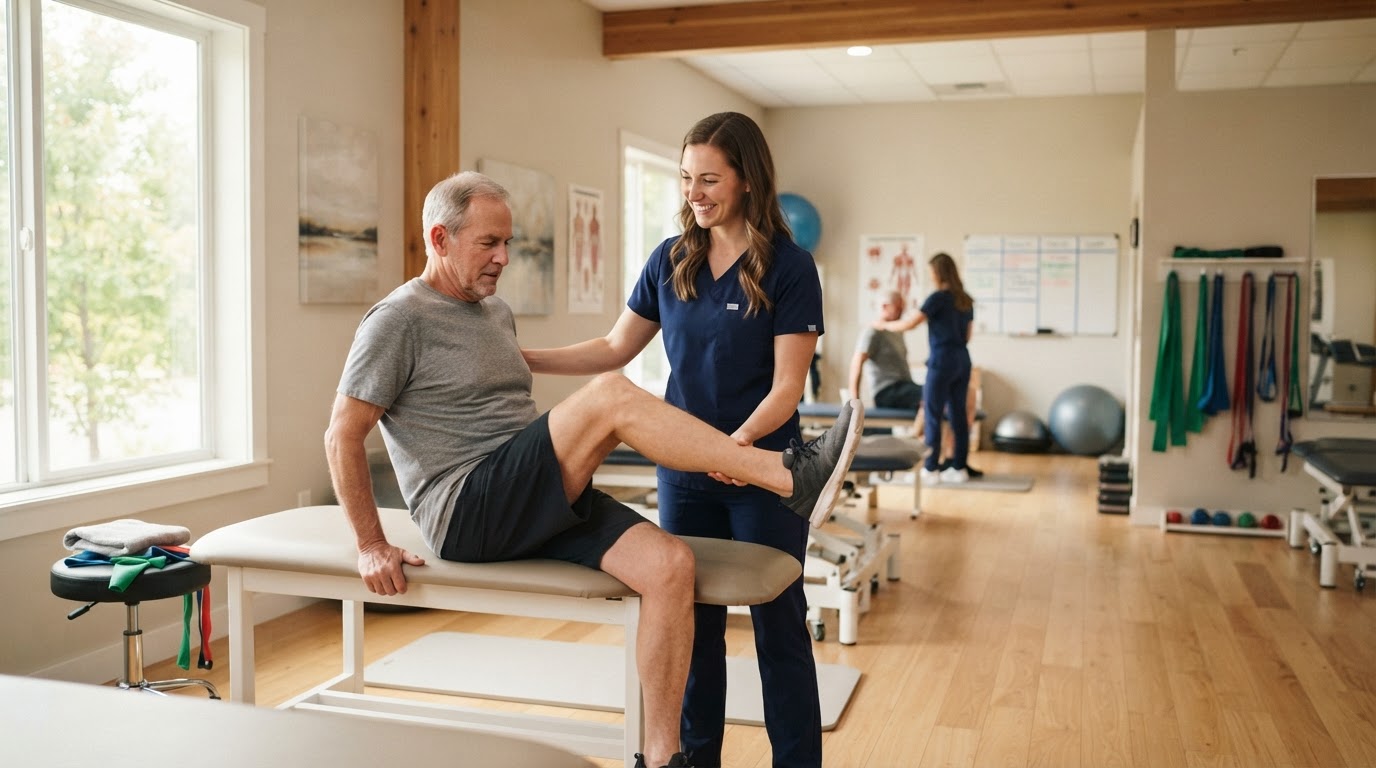
Pain can affect how you move, sleep, work, and enjoy everyday activities. Whether it began after an injury or developed gradually, persistent discomfort can make even simple tasks feel challenging. Physical therapy offers a personalized, movement-focused approach to pain management. At Physical Therapy NOW™ at the Bird Road location in Miami, FL, care can help you understand your symptoms, work toward pain relief, and build confidence in your movement.
How Physical Therapy Supports Pain Management
Physical therapy aims to address the factors that may contribute to pain and limited movement. A physical therapist starts by learning about your symptoms, health history, daily activities, and goals. They may assess strength, flexibility, balance, posture, and the way you move. This evaluation helps shape a plan around your needs rather than relying on a one-size-fits-all routine.
Treatment may include guided exercises, mobility work, hands-on techniques, balance training, and education about pacing or movement strategies. The specific approach depends on your condition and comfort. The goal is to help you move more effectively and take an active role in your rehabilitation.
Pain is complex, and it can be influenced by many factors. A physical therapist can help you explore movement options and gradually build capacity while monitoring how your body responds. Your plan can be adjusted as your needs and abilities change.
Building Strength And Mobility Gradually
When movement hurts, it is natural to avoid the activity that seems to trigger symptoms. Some temporary adjustments may be useful, but avoiding movement for too long can make it harder to maintain strength and mobility. A therapist can help identify appropriate ways to stay active and reintroduce movements at a manageable pace.
Exercises may focus on strengthening muscles that support a joint, improving flexibility, or practicing a specific task such as reaching, walking, or getting up from a chair. You may begin with small, controlled movements and progress as your tolerance improves. Exercise should be tailored to your condition; a therapist can explain what level of effort is appropriate and when to modify an activity.
Progress does not always happen in a straight line. Some days may feel easier than others. Keeping track of your activities and symptoms can help you and your therapist notice patterns and make thoughtful adjustments. If an exercise causes sharp, unusual, or worsening symptoms, pause and ask your therapist how to proceed.
Practical Tips You Can Use At Home
Small, consistent choices can support your physical therapy plan. These tips are general and may need to be adapted to your health needs:
Start with a comfortable amount of activity. Short walks or brief movement breaks may feel more manageable than trying to do too much at once.
Change positions regularly. If you sit or stand for long periods, take gentle breaks to move, stretch, or reset your posture.
Follow your prescribed home program. Use the repetitions and frequency recommended by your therapist instead of adding extra exercises without guidance.
Pace demanding tasks. Break chores, errands, or exercise into smaller steps, and allow time to recover between activities when needed.
Notice how your body responds. A simple journal of activities, sleep, and symptoms can give your therapist useful information during follow-up visits.
Ask questions. Let your therapist know which movements worry you, what feels difficult at home, and what activities matter most to you.
The right plan balances activity with recovery. A physical therapist can help you determine how to adapt exercises and daily tasks rather than relying on guesswork.
More Than Short-Term Pain Relief
Pain relief may be an important goal, but rehabilitation can also focus on function. You might want to walk farther, return to a favorite activity, manage work tasks more comfortably, or feel steadier on your feet. Sharing specific goals helps your therapist create a plan that connects treatment to your real life.
Physical therapy can also teach you strategies for managing flare-ups and maintaining progress. These may include warm-up routines, movement modifications, strength exercises, or ways to build activity gradually. Learning what helps you can make it easier to stay engaged in daily activities and respond confidently when symptoms change.
If pain is severe, follows a significant injury, or comes with concerning symptoms such as new weakness, numbness, fever, or loss of bladder or bowel control, seek prompt medical attention. A physical therapist can also help determine whether you should consult another healthcare professional.
A Personalized Approach In Miami
At Physical Therapy NOW™, the focus is on understanding what you want to get back to and helping you work toward it with an individualized rehabilitation plan. Care may involve education, supervised exercise, and progress checks so your program can evolve with you. Consistency and communication matter: tell your therapist what is improving, what remains difficult, and how your home exercises fit into your routine.
If pain is limiting your daily life, you do not have to figure out every next step alone. Contact Physical Therapy NOW™ at the Bird Road location in Miami, FL to ask about an evaluation and discuss your goals. Call or visit the clinic to learn how physical therapy may support your movement, rehabilitation, and path toward pain relief.
Ready to start feeling better?
Physical Therapy NOW™ has 40+ Florida locations with same-week appointments. Most insurance, auto accident (PIP), workers' compensation and Medicare accepted.