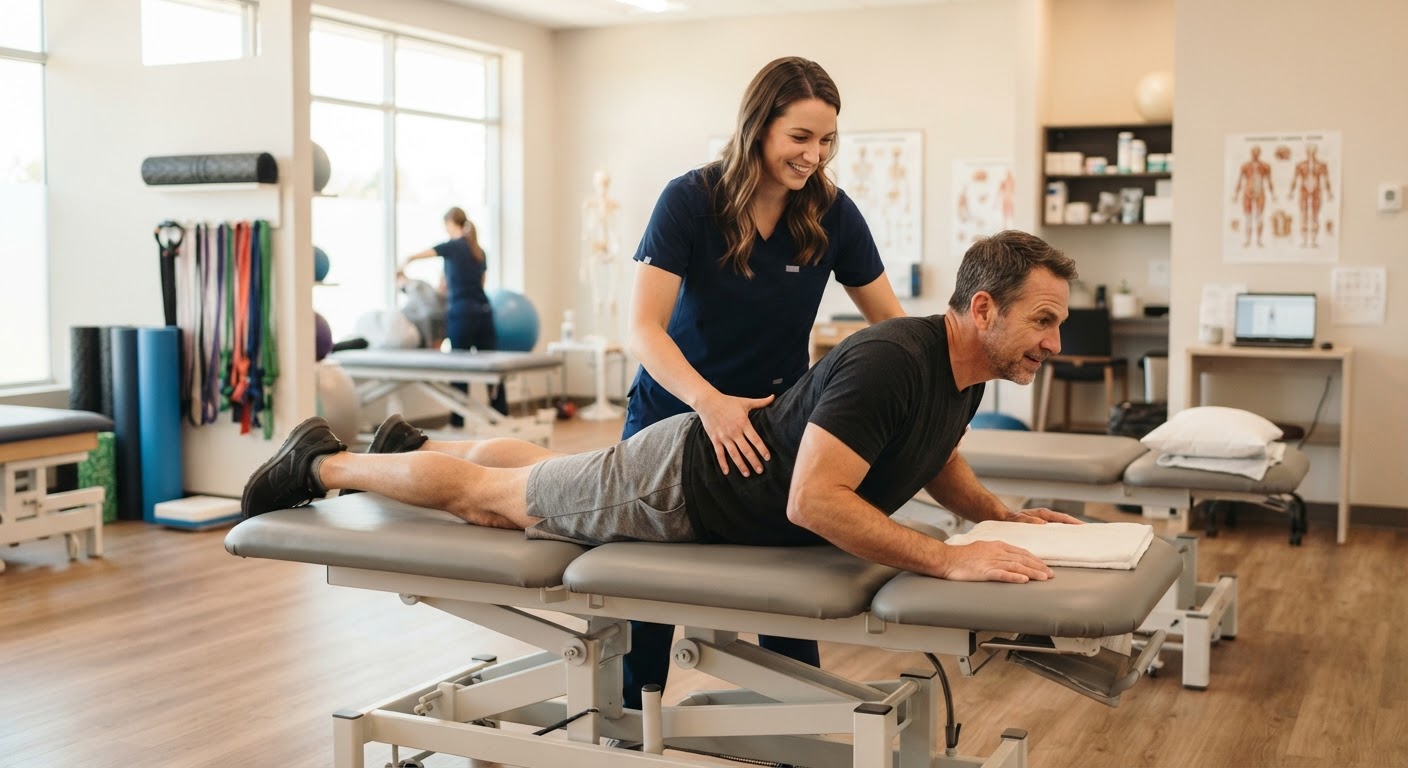
The Role Of Physical Therapy In Pain Management
Pain can make familiar activities—walking, working, exercising, or getting a good night’s sleep—feel difficult. While pain medicine may be part of a care plan, it is not the only option. Physical therapy offers a movement-based approach to pain management that focuses on your needs, goals, and daily routines. With individualized rehabilitation, a physical therapist can help you improve mobility, build strength, and develop strategies for managing symptoms.
At Physical Therapy NOW™, serving Lauderhill, Florida, care begins with understanding how pain affects you. Treatment is tailored to your condition and comfort, with the goal of helping you participate more confidently in everyday life.
How Physical Therapy Supports Pain Relief
Pain can have many causes, and the right approach depends on factors such as your health history, movement, activity level, and symptoms. A physical therapist evaluates how you move and discusses what makes your pain better or worse. This information helps guide a plan that may address flexibility, strength, balance, posture, and movement habits.
Physical therapy does not simply cover up symptoms. It can help you identify manageable ways to move and gradually build capacity for activities that matter to you. Your therapist may adjust the plan as you progress, keeping exercises appropriate for your abilities and response to treatment. Progress can be gradual, and the pace should reflect your individual needs.
Common Physical Therapy Approaches
Your rehabilitation plan may include therapeutic exercise, mobility work, balance training, or hands-on techniques when appropriate. Exercises can help improve strength and flexibility, while practicing functional movements can prepare you for tasks such as reaching, climbing stairs, or lifting. Your therapist can explain the purpose of each activity and show you how to perform it safely.
Education is another important part of care. You may learn ways to pace demanding tasks, modify movements temporarily, or arrange your workspace to reduce strain. Some people may benefit from additional treatments selected by their therapist. The best choices depend on your evaluation and goals; no single technique is right for everyone.
What To Expect At Your First Visit
At your first appointment, expect a conversation about your symptoms, medical history, daily activities, and what you hope to accomplish. Your physical therapist may assess movement, strength, flexibility, balance, and other factors related to your concerns. Share what you have noticed, including when symptoms began and which activities affect them.
You can also ask questions. For example, ask which activities are appropriate, how often to practice home exercises, and what changes should prompt you to contact the clinic or another healthcare professional. A clear plan helps you understand what you are working on and how your progress will be reviewed. Wear comfortable clothing that allows you to move, and bring any relevant referral or medical information if you have it.
Practical Tips For Managing Pain Between Visits
Small, consistent choices can support your therapy plan. These general tips are not a substitute for personalized medical guidance, so check with your care team if you are unsure what is suitable for you.
Follow your prescribed home program. Use the form and repetitions your therapist recommends rather than adding extra exercises on your own. If an activity causes a marked or lasting increase in symptoms, stop and ask your therapist how to adjust it.
Build activity gradually. After a period of reduced movement, trying to do too much at once may be difficult. Break tasks into manageable parts, take planned pauses, and increase activity in steps guided by your symptoms and care plan.
Notice patterns. A simple record of activities, symptoms, and what helps may reveal useful information to share at your next visit. It can also help you and your therapist decide whether a particular movement or routine needs adjusting.
Make daily movement more comfortable. Change positions periodically when sitting for long stretches, keep frequently used items within easy reach, and use safe lifting techniques. Your therapist can help tailor these ideas to your work, home, or recreation.
Stay in communication. Tell your physical therapist if pain changes, an exercise feels unclear, or your goals shift. Open communication allows your plan to be reviewed and adapted as needed.
When To Seek Additional Medical Advice
Physical therapy is one part of healthcare, and it may not be appropriate as the only response to every symptom. Contact a healthcare professional if your pain is worsening, new symptoms develop, or you are concerned about your health. Seek urgent medical attention for severe or sudden symptoms, significant injury, new weakness or numbness, or other symptoms that feel alarming. A physical therapist can also advise you when further evaluation may be appropriate.
Personalized Rehabilitation In Lauderhill
Pain management is not one-size-fits-all. A thoughtful physical therapy plan can combine guided movement, education, and practical strategies to support your personal goals. Whether you want to move more comfortably at home, return to a valued activity, or improve confidence with daily tasks, rehabilitation can provide a structured place to begin.
Physical Therapy NOW™ at the Sunrise location in Lauderhill, Florida, can help you explore a plan suited to your needs. If pain is limiting your routine, visit or call the Sunrise location to ask about scheduling an evaluation. Take the next step toward a more active, comfortable day with guidance from a physical therapy team.
Ready to start feeling better?
Physical Therapy NOW™ has 40+ Florida locations with same-week appointments. Most insurance, auto accident (PIP), workers' compensation and Medicare accepted.