The Role of Physical Therapy in Pain Management
Pain can affect how you move, work, sleep, and enjoy everyday activities. Whether it began after an injury, developed gradually, or continues after a medical procedure, pain may make familiar tasks feel difficult. Physical therapy can be an important part of a thoughtful pain management plan by helping you improve movement, build strength, and understand strategies for caring for your body.
Pain is personal, and the right approach depends on its cause, duration, and effect on your life. A physical therapist evaluates your needs and works with you to develop a plan that fits your abilities and goals. At Physical Therapy NOW™, the focus is on guiding each person through rehabilitation with individualized care and practical support.
How Physical Therapy Can Help
Pain does not always mean that movement should stop. In many cases, avoiding activity for too long can contribute to stiffness, reduced strength, and less confidence with movement. A physical therapist can help you find a safe starting point and gradually build activity at a pace that works for you.
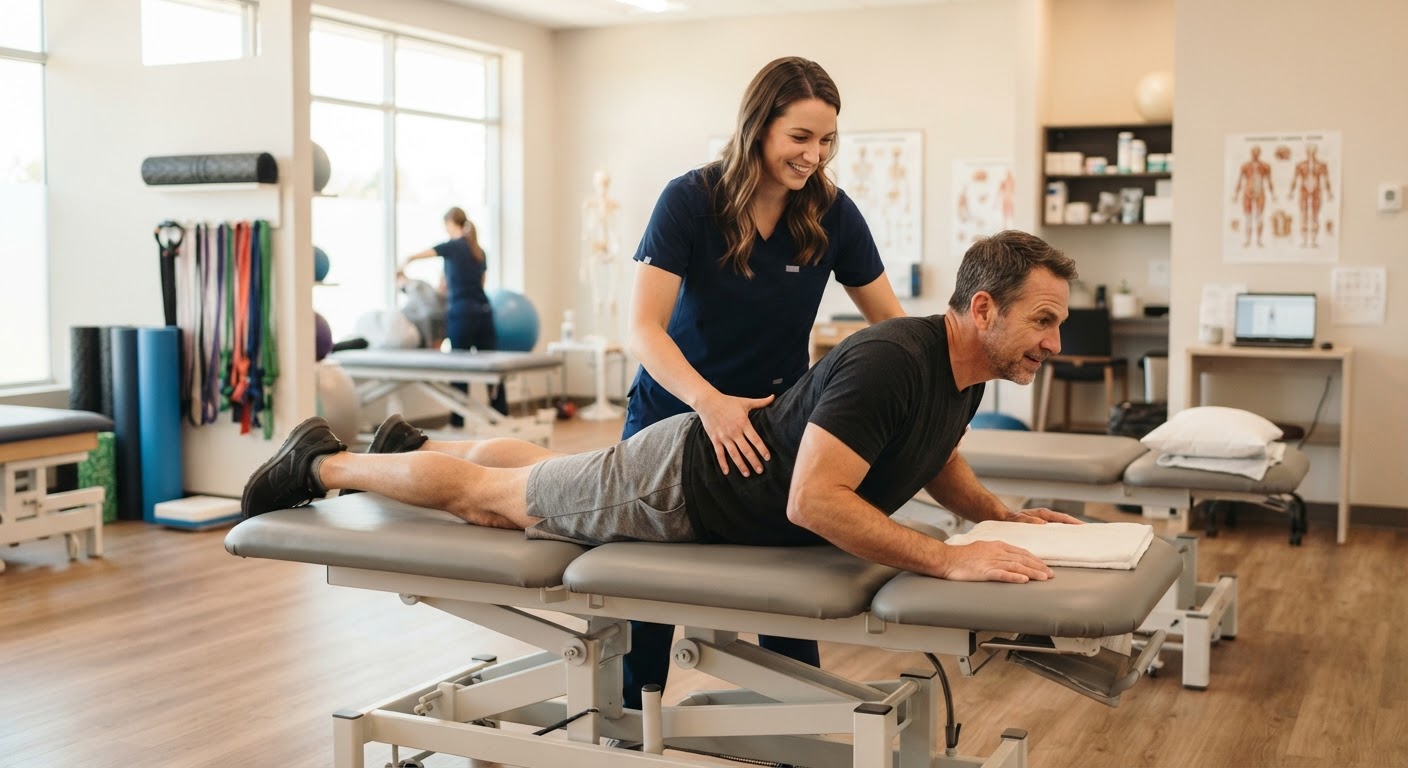
Your therapist may assess how you walk, bend, reach, balance, or perform a task that has become uncomfortable. This can help identify movement limitations or physical factors that may be contributing to your symptoms. Treatment may include therapeutic exercise, mobility work, balance training, and hands-on techniques when appropriate. Your therapist can also explain how to modify activities while you recover.
Physical therapy is not a one-size-fits-all treatment, and it cannot guarantee that pain will disappear. The goal is to help you move more comfortably, improve function, and develop tools to manage symptoms. Your plan may change as your strength, mobility, and tolerance for activity improve.
A Plan Built Around Your Goals
A helpful rehabilitation plan starts with your priorities. You may want to return to walking, lift and carry items more comfortably, manage a work task, or resume a favorite activity. Share what matters most to you, along with what makes your pain better or worse. These details help your therapist shape sessions around meaningful goals.
Your care may include exercises to improve strength and flexibility, practice for everyday movements, and gradual exposure to activities you have been avoiding. Your therapist can adjust the difficulty based on how you respond. Communicating openly about changes in symptoms helps the care team make appropriate adjustments and keep your plan relevant.
Education is also part of physical therapy. Understanding pacing, posture, body mechanics, and recovery can help you make informed decisions outside the clinic. Rather than relying on a single technique, you can build a set of strategies to use at home, at work, and during recreation.
Practical Ways To Support Pain Relief
Small, consistent steps can make it easier to stay active while managing discomfort. Consider these tips, and ask your physical therapist which are appropriate for your condition:
Start with a comfortable level of activity. A short walk or a few gentle movements may be more manageable than a long, demanding workout. Increase duration or effort gradually instead of making a sudden change.
Use pacing. Break a larger task into smaller parts and alternate activity with brief rest periods. Pacing can help you avoid doing too much on a day when you feel better and then needing to stop for an extended time afterward.
Notice patterns without judging them. Keep a simple record of activities, symptoms, and sleep if that information is useful to you. Share recurring patterns with your therapist so you can discuss possible adjustments.
Follow your home program as instructed. Consistency matters, but exercises should match your treatment plan. Ask your therapist to demonstrate a movement again if you are unsure about your form, repetitions, or how to respond if symptoms change.
Make everyday tasks easier when needed. You might adjust your workstation, change how you carry groceries, or divide household tasks across the week. Your therapist can recommend modifications based on your daily routine and goals.
When To Seek Professional Guidance
Consider an evaluation if pain is limiting your usual activities, affecting your movement, or not improving as expected. A physical therapist can assess your function and discuss whether rehabilitation may be appropriate. Depending on your symptoms and health history, your therapist may also recommend that you consult another healthcare professional.
Seek urgent medical attention for severe or sudden symptoms, a major injury, or new symptoms such as significant weakness, loss of sensation, or difficulty controlling bladder or bowel function. Physical therapy is not a substitute for emergency care or medical evaluation when those concerns arise.
Physical Therapy In Doral, FL
If pain is interfering with the activities that matter to you, support is available. Physical Therapy NOW™ in Doral, FL, can help you explore an individualized physical therapy plan focused on movement, function, and practical pain management strategies. Your first step can be a conversation about your concerns and what you hope to accomplish.
Take The Next Step
You do not have to figure out every part of pain management on your own. Contact or visit the Doral location of Physical Therapy NOW™ to ask about an evaluation and discuss your goals with the team. Call the clinic to learn more and take a practical first step toward improved movement and lasting skills for managing pain.
Ready to start feeling better?
Physical Therapy NOW™ has 40+ Florida locations with same-week appointments. Most insurance, auto accident (PIP), workers' compensation and Medicare accepted.