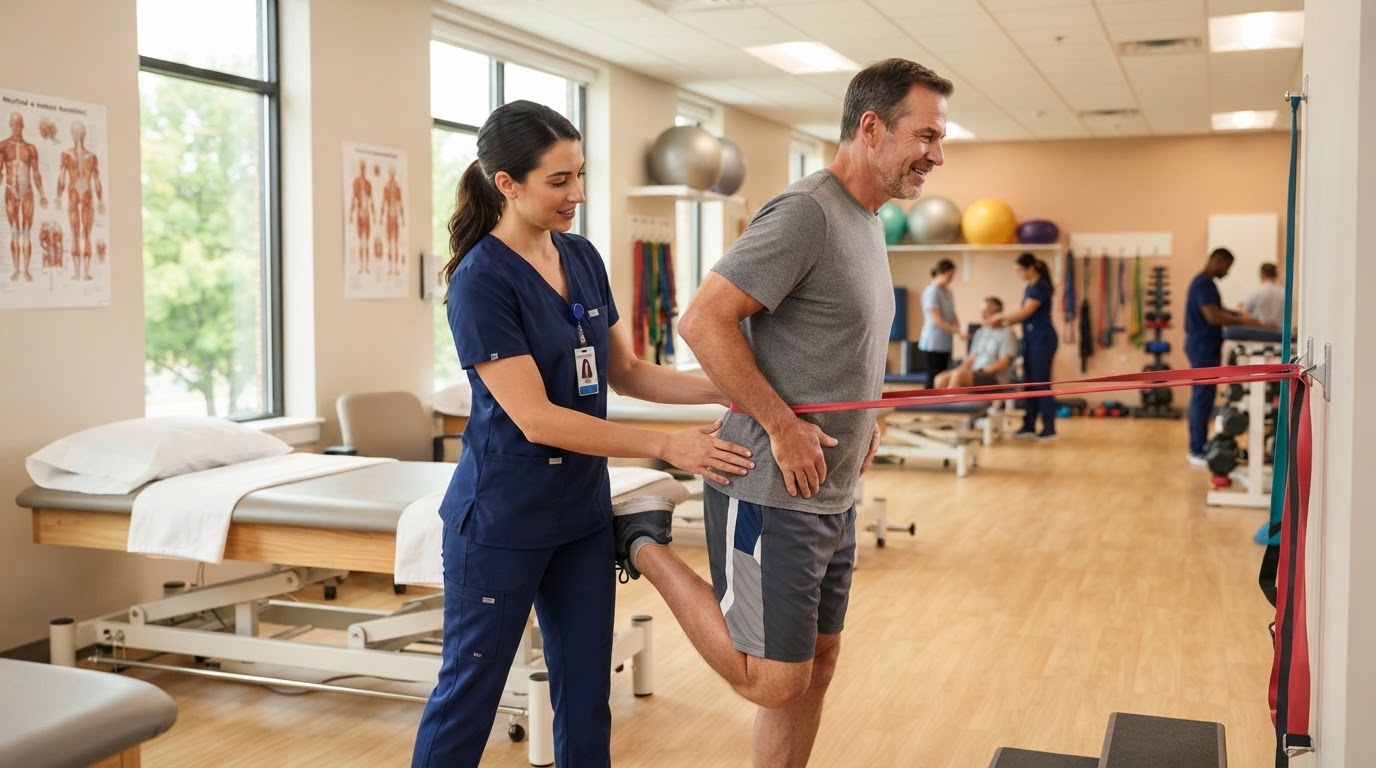
The Role of Physical Therapy in Pain Management
Pain can make everyday activities feel difficult, from walking and working to sleeping comfortably. Whether pain began suddenly or developed over time, it can affect your strength, mobility, mood, and confidence. Physical therapy offers a practical, personalized approach to managing many types of pain by addressing movement, function, and contributing factors—not just the discomfort itself.
At Physical Therapy NOW™ in Temple Terrace, FL, care starts with understanding your goals and how pain affects your day. A physical therapist can help you explore appropriate ways to move, build capacity, and take an active role in rehabilitation.
How Physical Therapy Supports Pain Relief
Pain is complex. It may be related to an injury, a medical condition, repeated activity, reduced strength, or changes in how your body moves. Often, more than one factor is involved. A physical therapist evaluates your movement, strength, flexibility, balance, and functional needs to help create a plan that fits your situation.
Treatment may include therapeutic exercise, mobility work, balance training, hands-on techniques, and guidance on modifying daily activities. The specific approach depends on your symptoms, health history, and goals. For example, someone managing back discomfort may benefit from learning how to build trunk strength and adjust lifting habits, while someone recovering from a knee injury may focus on mobility, leg strength, and walking tolerance.
Physical therapy is not a promise of instant or complete pain relief. Progress can take time, and the right plan may change as your abilities and needs change. Still, working with a professional can help you understand your options and practice safe, purposeful movement.
Movement Can Be Part Of The Solution
When movement hurts, it is natural to avoid it. Short-term rest may be appropriate after some injuries, but prolonged inactivity can sometimes contribute to stiffness, reduced strength, and lower tolerance for everyday tasks. A physical therapist can help you find a safe starting point and gradually progress activity at a pace suited to you.
Exercise in rehabilitation is tailored rather than one-size-fits-all. Your therapist may begin with gentle movements and progress toward activities that resemble your daily routines, work demands, or recreation. The goal is to improve your ability to participate in the things that matter to you, while monitoring how your body responds.
If an exercise causes sharp, worsening, or unusual symptoms, stop and discuss it with your therapist. Mild effort or temporary muscle soreness can occur with new activity, but you should not feel that you need to push through concerning pain. Clear communication helps your therapist adjust the plan.
Practical Ways To Support Your Progress
Small, consistent choices can complement your therapy visits. Consider these practical tips:
Follow your home program. Your therapist may recommend specific exercises between appointments. Ask for a demonstration, written instructions, or a modification if you are unsure how to perform them.
Build activity gradually. Increase walking time, repetitions, or effort in manageable steps instead of making a sudden jump. Keep track of how you feel during activity and afterward.
Change positions regularly. If sitting or standing for long periods aggravates your symptoms, try brief movement breaks when practical. A short walk or gentle change of position may help you feel less stiff.
Use comfortable mechanics. When lifting, keep the object close to your body and avoid twisting while carrying it. For tasks that repeatedly trigger discomfort, ask your therapist about safer options or ways to adjust the activity.
Prioritize recovery habits. Adequate sleep, balanced meals, and appropriate pacing can support your ability to participate in rehabilitation. If pain interferes with sleep or daily function, share that information with your care team.
Keep communication open. Note which activities feel easier or harder, and bring questions to your appointments. This information can help your therapist make your plan more relevant.
A Personalized Approach To Rehabilitation
Effective pain management often involves more than one strategy. Physical therapy may be part of a broader care plan, coordinated with your physician or other healthcare professionals when appropriate. A therapist can also help you understand what activities are suitable, when to progress, and when symptoms should be assessed by another provider.
Your goals help shape treatment. You might want to return to gardening, manage stairs more comfortably, resume a favorite sport, or complete a work shift with fewer interruptions. Defining a meaningful goal makes it easier to track functional changes alongside symptoms. Progress may show up as improved movement, greater endurance, or more confidence—not only as a change in pain intensity.
At Physical Therapy NOW™, the Temple Terrace location provides an opportunity to discuss your concerns and explore a plan for moving forward. Your experience is individual, so treatment should reflect your needs rather than rely on a generic routine.
When To Seek Professional Guidance
Consider consulting a physical therapist if pain is limiting your usual activities, keeps returning, or makes you uncertain about how to move safely. A professional evaluation can help identify relevant movement challenges and determine whether physical therapy is appropriate for you.
Seek prompt medical attention for severe or rapidly worsening symptoms, pain following a significant injury, or symptoms accompanied by concerning changes such as new weakness, numbness, or loss of function. A physical therapist can advise you when medical evaluation is needed, but urgent or serious symptoms should not be ignored.
Take A Step Toward Better Movement
Pain management is not always about finding one quick fix. It can involve learning how your body responds, building strength and mobility, and developing strategies that fit your everyday life. With a personalized rehabilitation plan, physical therapy may help you move with greater confidence and work toward meaningful pain relief.
Contact Physical Therapy NOW™ at the Temple Terrace location to ask about scheduling an evaluation. Call or visit the clinic to discuss your goals and learn how physical therapy may support your next steps.
Ready to start feeling better?
Physical Therapy NOW™ has 40+ Florida locations with same-week appointments. Most insurance, auto accident (PIP), workers' compensation and Medicare accepted.