The Role Of Physical Therapy In Pain Management
Pain can affect how you move, sleep, work, and enjoy the activities that matter to you. Whether it began suddenly or has gradually become part of your daily routine, pain may make it tempting to avoid movement altogether. Physical therapy offers a guided way to address pain, improve function, and build confidence through individualized care.
At Physical Therapy NOW™ in Hallandale Beach, FL, treatment starts with understanding your goals, symptoms, and daily demands. A physical therapist can help identify movement challenges and develop a plan focused on safe, practical progress. Physical therapy is not a substitute for medical evaluation when one is needed, but it can be an important part of a broader pain management approach.
Understanding The Pain-Movement Connection
Pain is a complex experience. It can be influenced by an injury, irritated tissues, reduced strength or mobility, repetitive demands, stress, and other health factors. Pain does not always mean that movement is causing damage. At the same time, new, severe, or unexplained pain deserves appropriate medical attention.
When discomfort leads you to move less, muscles may become weaker and joints may feel stiffer. Tasks that once felt easy can then require more effort. This cycle can make returning to activity feel difficult. With professional guidance, gradual movement and targeted exercise can help you work toward better mobility and tolerance for everyday activities.
How Physical Therapy Can Help
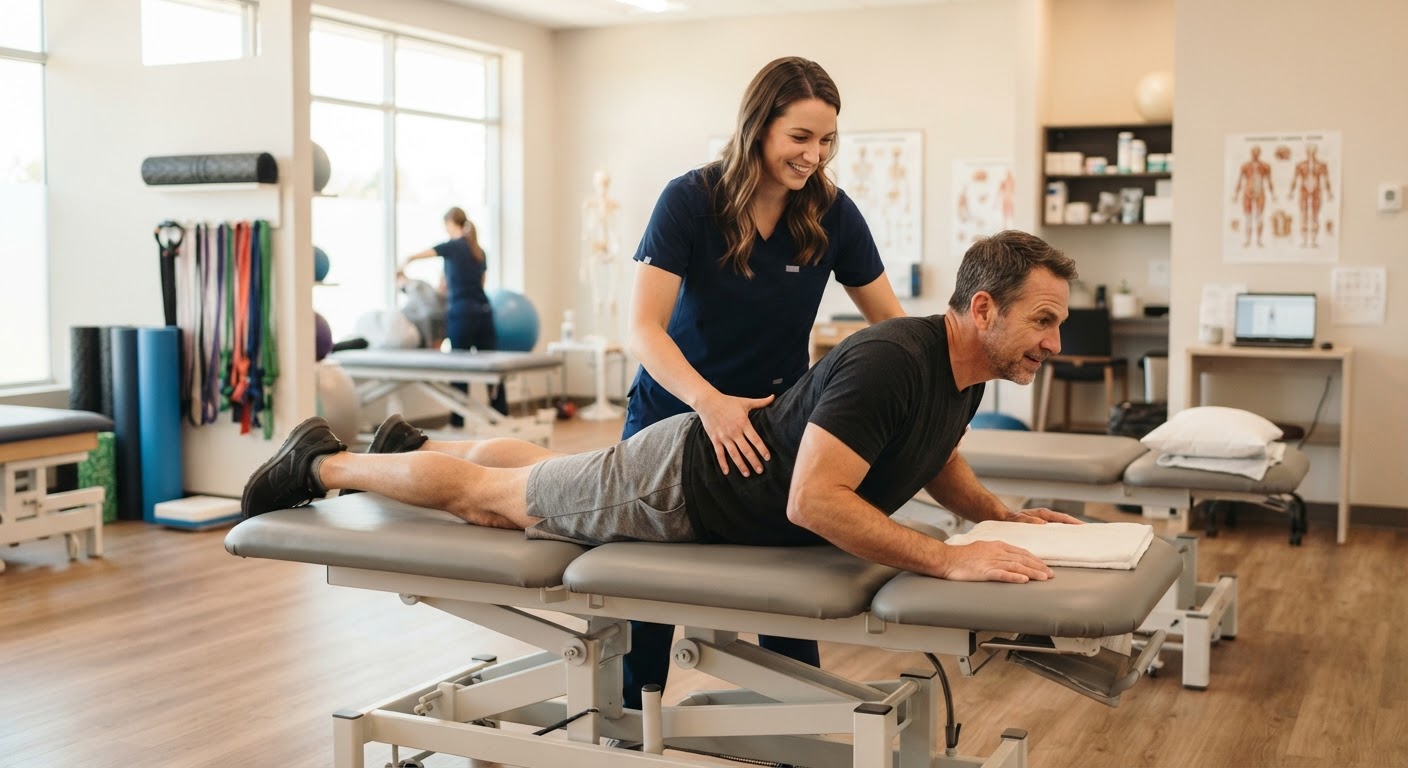
Your therapist will typically begin by discussing your history, symptoms, and goals, then assessing relevant movement, strength, balance, and flexibility. The findings help guide a plan that fits your needs rather than relying on a one-size-fits-all routine. Your program may change as your comfort and abilities improve.
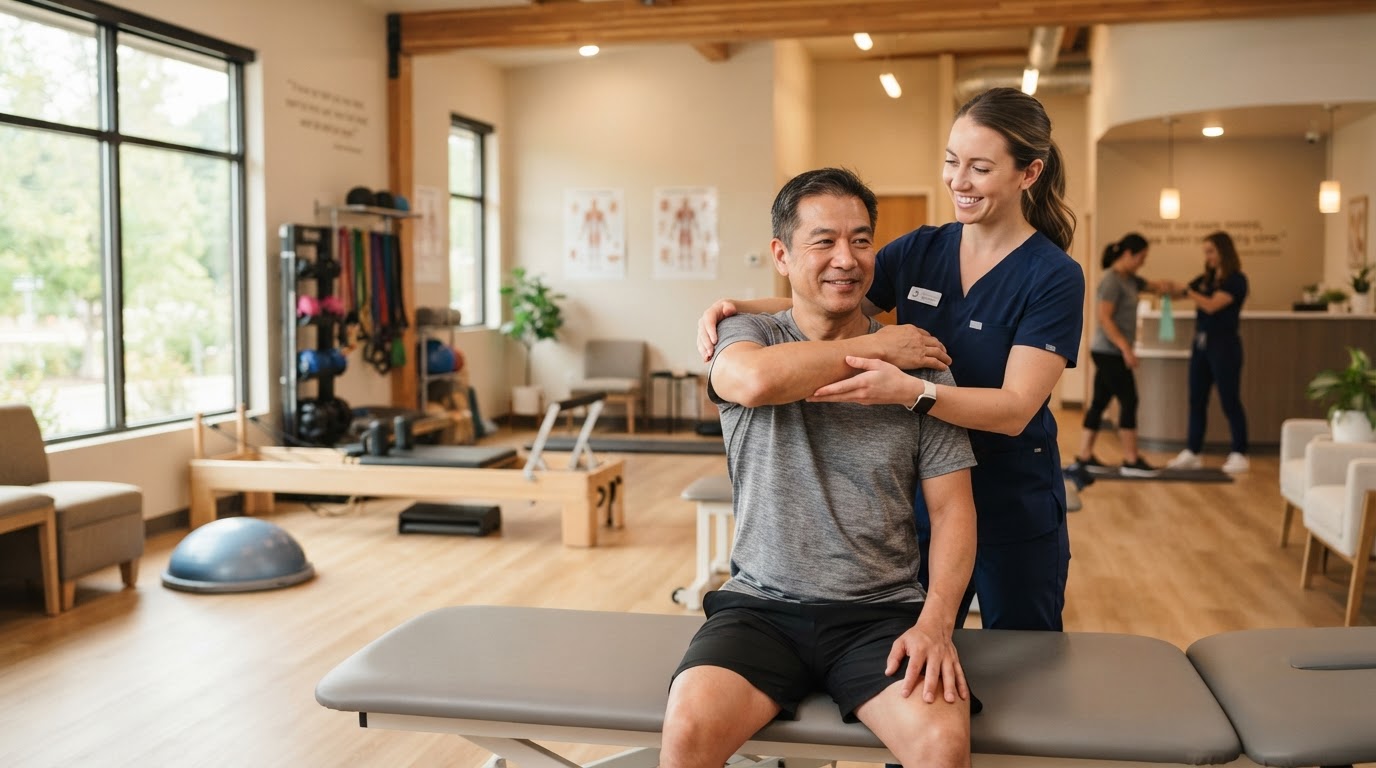
Treatment may include therapeutic exercise to build strength and endurance, mobility work to support comfortable movement, and hands-on techniques when appropriate. A therapist may also provide education about pacing, posture, body mechanics, and ways to adapt activities. The aim is not simply to reduce symptoms during a visit, but to help you develop skills you can use at home, at work, and during recreation.
Rehabilitation And Active Pain Relief
Rehabilitation often works best as a gradual process. Your physical therapist can help you find a starting level of activity that feels manageable, then adjust it over time. Exercises might focus on a specific area or involve coordinated movements that prepare you for tasks such as walking, lifting, reaching, or climbing stairs.
Progress is not always a straight line. Some days may feel easier than others, and your plan can be adjusted to account for changes. Communicate openly about what you feel during and after exercise. This helps your therapist tailor the pace and choose appropriate modifications. The goal is steady, sustainable improvement—not pushing through intense or concerning pain.
Practical Tips You Can Use
Start with comfortable movement. If you have been inactive, short walks or gentle mobility breaks may be a reasonable starting point, depending on your condition and your clinician’s advice. Increase duration or effort gradually rather than making a sudden jump.
Pace demanding tasks. Break chores or work activities into smaller sections, alternate heavier and lighter tasks, and take brief breaks before fatigue significantly changes how you move.
Notice patterns. Keep a simple record of activities, symptoms, and what helps. This can give you and your therapist useful information without making pain the focus of every decision.
Follow your personalized program. Consistency with appropriate exercises is often more useful than doing a large amount all at once. Ask your therapist to review your form and explain how to modify an exercise if it is uncomfortable.
Support recovery with everyday habits. Regular sleep, manageable stress, and a balanced routine can complement rehabilitation. These habits do not replace treatment, but they may help you stay engaged with your plan.
When To Seek Professional Guidance
Consider talking with a physical therapist if pain is limiting daily activities, returning after an injury, or making it hard to resume exercise. A clinician can help determine whether physical therapy is appropriate and whether you should first consult another healthcare professional. Seek prompt medical care for severe or rapidly worsening symptoms, significant injury, or pain accompanied by concerning changes such as new weakness, numbness, fever, or trouble controlling bladder or bowel function.
Care That Fits Your Goals
Effective pain management is personal. Your priorities may be walking comfortably, getting back to a favorite activity, completing work tasks, or moving with greater confidence. Physical therapy can help connect those goals to a structured rehabilitation plan, with guidance and adjustments along the way.
At Physical Therapy NOW™, the Hallandale location can help you explore treatment options and take a thoughtful next step toward pain relief and improved function. You do not have to figure out the right exercises or pace on your own.
Ready to move toward greater comfort and confidence? Visit or call Physical Therapy NOW™ in Hallandale Beach, FL, to ask about scheduling an evaluation and discuss a physical therapy plan tailored to your needs.
Ready to start feeling better?
Physical Therapy NOW™ has 40+ Florida locations with same-week appointments. Most insurance, auto accident (PIP), workers' compensation and Medicare accepted.