The Role Of Physical Therapy In Pain Management
Pain can affect how you move, sleep, work, and enjoy everyday activities. Whether it began after an injury or has gradually become part of your routine, persistent discomfort can make even simple tasks feel difficult. Physical therapy offers a personalized, movement-focused approach to pain management that can help improve function and support long-term wellness.
At Physical Therapy NOW™ in Palmetto Bay, FL, care begins with understanding how pain affects you and what you hope to do more comfortably. A physical therapist can assess your movement, strength, flexibility, and daily activity needs, then develop a plan tailored to your goals.
How Physical Therapy Addresses Pain
Pain is influenced by many factors, including the body’s tissues, movement habits, physical conditioning, stress, and overall health. A physical therapist considers the whole picture instead of focusing only on where discomfort is felt. For example, pain in one area may be affected by reduced mobility or weakness elsewhere.
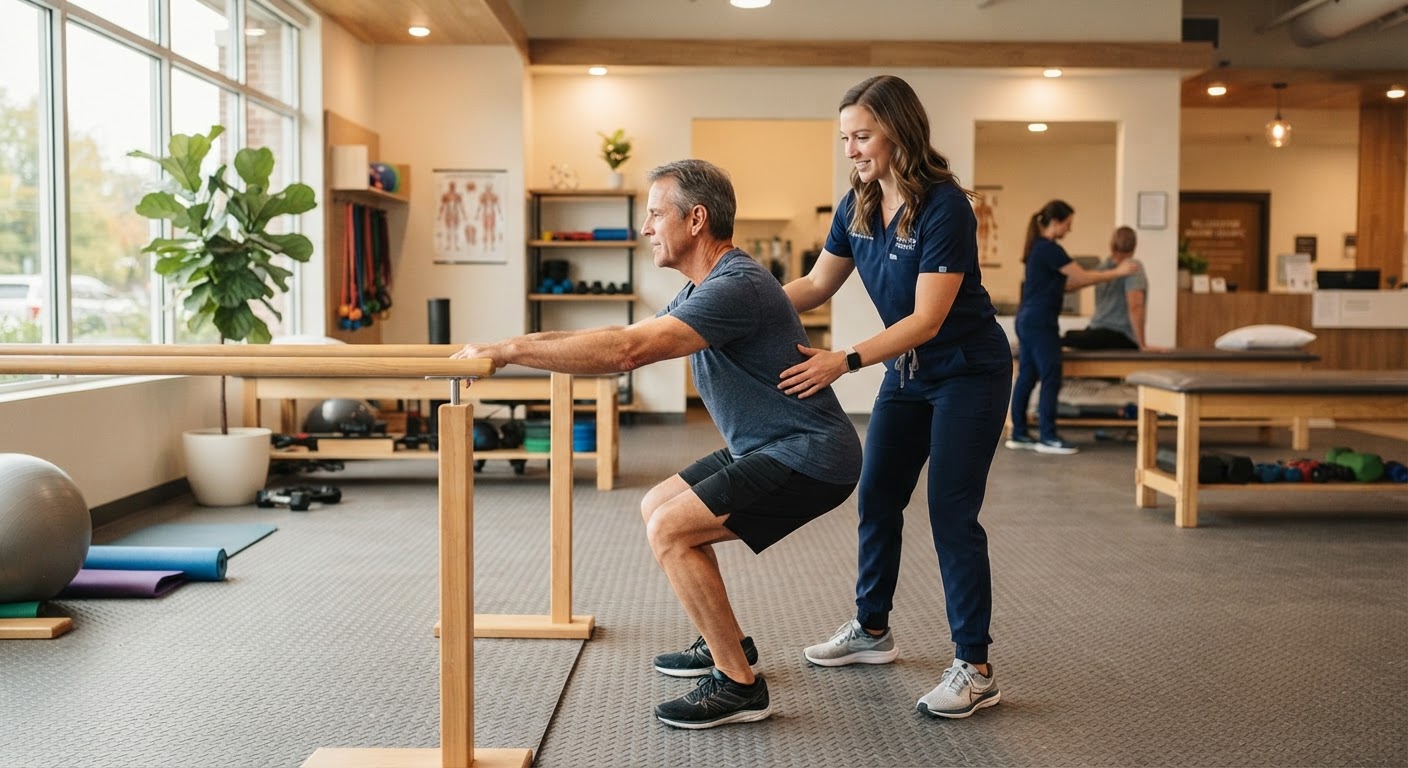
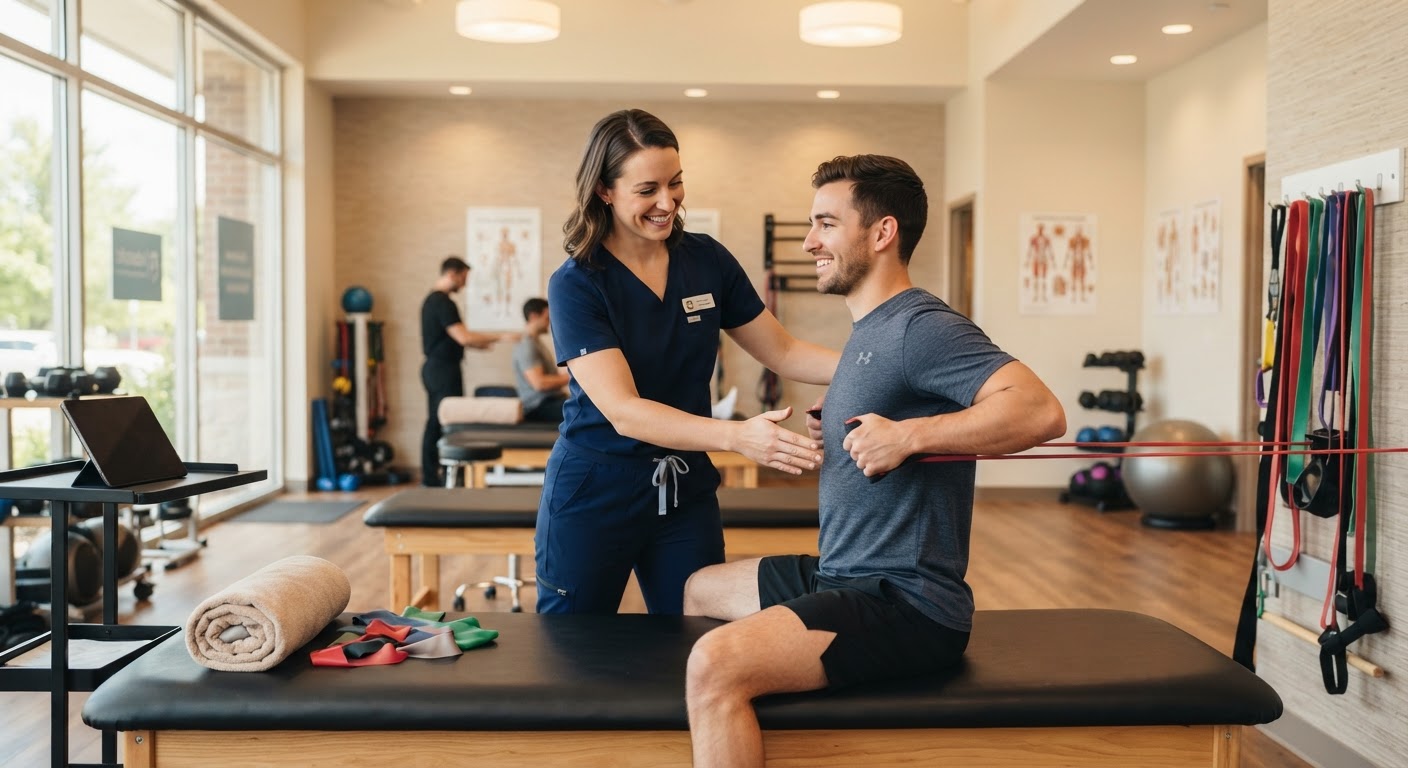
Treatment may include therapeutic exercises, hands-on techniques, movement training, balance work, and education. The approach depends on your evaluation and personal needs. The goal is not simply to reduce symptoms during a session, but also to help you move with greater confidence and manage daily activities more effectively.
Physical therapy can be helpful for people recovering from an injury or surgery, as well as those managing ongoing conditions that affect movement. Your therapist can also coordinate with your healthcare team when additional evaluation or care may be appropriate.
Building Strength And Mobility Safely
When pain makes movement uncomfortable, it can be tempting to avoid activity altogether. However, prolonged inactivity may contribute to stiffness, reduced strength, and greater difficulty returning to everyday tasks. Guided exercise can help you gradually rebuild capacity at a pace that suits your condition.
Your therapist may begin with gentle movements and progress as your comfort and abilities improve. Exercises might focus on flexibility, strength, posture, coordination, or endurance. Each activity should have a clear purpose and be adjusted to your response. If an exercise causes sharp, worsening, or unusual symptoms, stop and tell your therapist so the plan can be reviewed.
Progress does not always happen in a straight line. Some days may feel easier than others, and your program may need to change as you improve. Communicating openly about your symptoms helps your therapist make appropriate adjustments and keep your rehabilitation aligned with your goals.
Practical Ways To Support Pain Relief
The strategies you use between appointments can make a meaningful difference in how consistently you move and manage discomfort. Start with small, realistic steps rather than trying to change everything at once.
Keep moving within your comfort level. Short walks or brief movement breaks may be more manageable than one long period of activity. Ask your physical therapist which options are appropriate for you, particularly if you have a recent injury or a medical condition.
Pace demanding tasks. Break chores or work activities into smaller parts, alternate heavier and lighter tasks, and take planned breaks before fatigue builds. Pacing can help you stay active without repeatedly overdoing it.
Pay attention to your setup and habits. Adjusting your workstation, changing positions regularly, and using comfortable body mechanics may reduce unnecessary strain. Your therapist can offer suggestions based on the activities that matter most in your day.
Follow your home program as prescribed. Consistency is often more useful than doing too much in a single session. Keep track of exercises, activity levels, and changes in symptoms so you can share useful details at your next visit.
Support your recovery with healthy routines. Adequate rest, regular activity as tolerated, and taking prescribed medications only as directed by your healthcare provider can complement your rehabilitation plan. Physical therapy is not a replacement for medical evaluation when one is needed.
A Personalized Plan For Everyday Goals
Effective pain management is not identical for everyone. One person may want to return to gardening, while another hopes to walk comfortably, lift a child, or resume work duties. Sharing specific goals helps your therapist choose practical exercises and measure progress in ways that are meaningful to you.
Your plan may also include education about movement, symptom responses, and ways to gradually return to activities. Understanding what to expect can make it easier to participate confidently and recognize when to ask questions. If pain is severe, changes suddenly, or is accompanied by concerning symptoms, contact a healthcare professional for guidance rather than relying on exercise alone.
At Physical Therapy NOW™ in Palmetto Bay, FL, the focus is on helping each person work toward improved movement and function through individualized care. A physical therapist can explain your options, answer questions, and help you take manageable steps toward greater independence.
Take The Next Step
Living with pain does not mean you have to figure out every next step on your own. Physical therapy can provide professional guidance, a structured rehabilitation plan, and practical tools for daily life. Contact or visit Physical Therapy NOW™ at the Palmetto Bay location to discuss your goals and learn whether physical therapy may be right for you. Call the clinic to schedule a visit and start working toward more comfortable movement.
Ready to start feeling better?
Physical Therapy NOW™ has 40+ Florida locations with same-week appointments. Most insurance, auto accident (PIP), workers' compensation and Medicare accepted.