Managing Chronic Back Pain With Physical Therapy
Chronic back pain can affect far more than your back. It may make it harder to sleep, work, exercise, or enjoy everyday activities. When discomfort lasts for weeks or keeps returning, it can be tempting to avoid movement altogether. Yet the right kind of movement, guided by a physical therapist, may help you build strength, improve mobility, and manage symptoms with greater confidence.
At Physical Therapy NOW™ in The Villages, FL, care begins with understanding how your pain affects your life and what you want to be able to do. Physical therapy is not one-size-fits-all. A personalized rehabilitation plan can address your movement, strength, and daily routines while helping you take practical steps toward pain relief.
Understanding Chronic Back Pain
Back pain can have many contributing factors, including muscle weakness, reduced flexibility, prolonged positions, changes in activity, or an injury. Sometimes no single cause is clear. Pain that continues over time can also influence how you move: you may stiffen, brace, or avoid activities because you expect them to hurt. These responses are understandable, but avoiding all movement may contribute to reduced strength and confidence.
A physical therapist can assess your symptoms, movement patterns, mobility, and goals. This evaluation helps guide a plan that is appropriate for your needs. It can also help identify when you should speak with another healthcare professional for further assessment.
How Physical Therapy Can Help
Physical therapy for chronic back pain typically combines several approaches. Your plan may include exercises to improve strength and flexibility, movement practice, hands-on techniques when appropriate, and education about managing symptoms. The specific choices depend on your evaluation and how you respond to care.
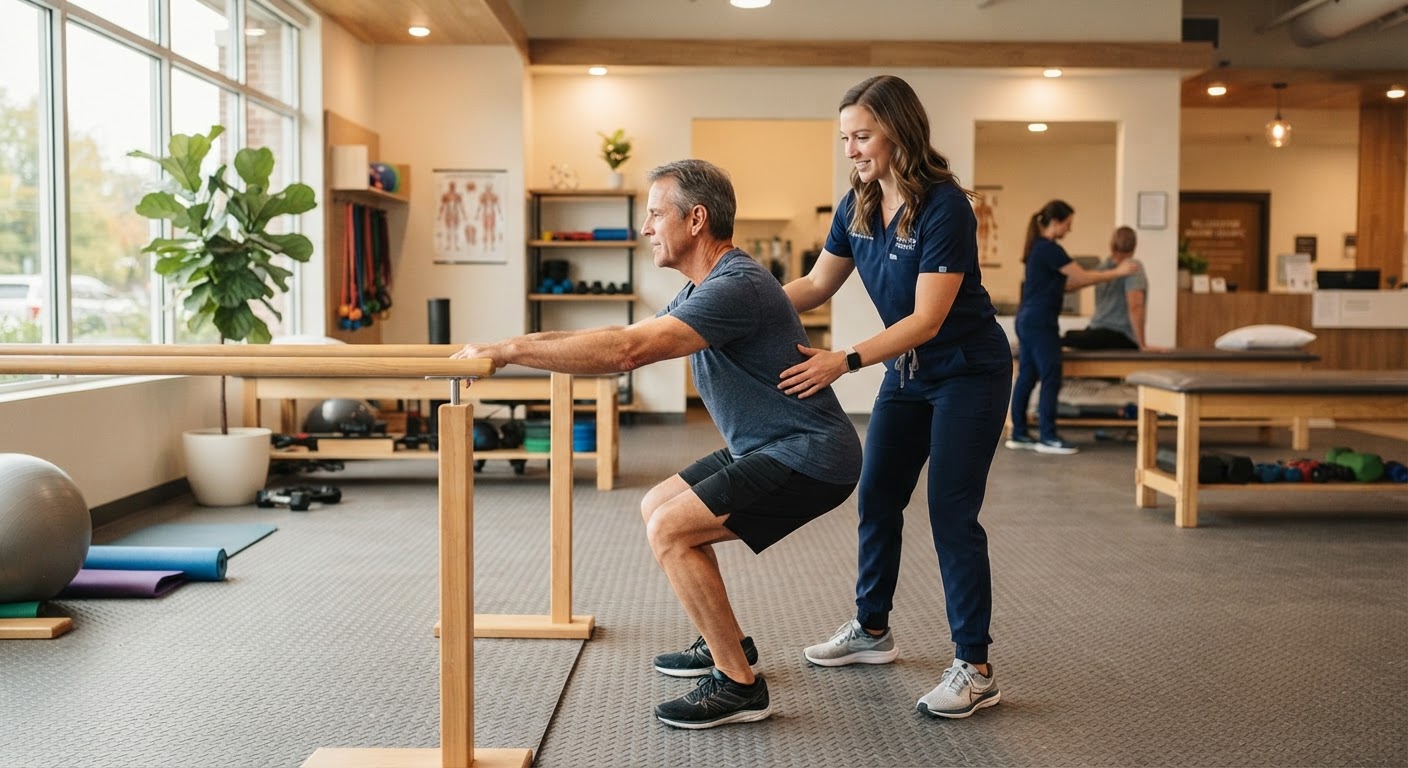
Building strength in the muscles that support your trunk and hips may make daily tasks feel more manageable. Mobility exercises can address stiffness, while gradual practice of activities such as bending, walking, or getting up from a chair can help you move with better control. Your therapist can adjust exercises over time so that the challenge is appropriate rather than overwhelming.
Education is another important part of rehabilitation. You can learn how to pace activities, recognize patterns that affect your symptoms, and adapt movements without giving up the things that matter to you. Progress may take time, and symptoms can vary from day to day. A therapist can help you understand those changes and adjust your plan as needed.
What To Expect From Your Rehabilitation Plan
Your first appointment generally includes a conversation about your health history, symptoms, daily activities, and goals, followed by a movement assessment. Be ready to describe when your back pain began, what seems to aggravate or ease it, and how it affects your routine. Share any concerns about exercise or movements you currently avoid.
Based on the assessment, your physical therapist will discuss a care plan and home activities. Your plan may change as your strength, mobility, and tolerance for activity improve. Consistency matters, but exercises should be appropriate for you. Ask your therapist to demonstrate each movement and explain how often to do it. Let them know if an exercise causes unusual or increasing symptoms so it can be reviewed.
Practical Tips For Everyday Back Care
Start with manageable movement. Short walks or brief movement breaks may be easier to maintain than a demanding routine. Increase activity gradually, and use guidance from your physical therapist to find a level that fits your situation.
Change positions regularly. If you spend a long time sitting or standing, take periodic breaks to move in a comfortable way. There is no single perfect posture for everyone; varying positions can be more practical than trying to hold one posture all day.
Make everyday tasks easier. Keep frequently used items within comfortable reach, and consider breaking larger chores into smaller sections. When lifting, bring an item close to your body and ask for help with loads that feel too heavy or awkward.
Pay attention to your response. A brief symptom increase can happen as you return to activity, but persistent or worsening discomfort deserves attention. Keep notes about activities, symptoms, and recovery if that helps you spot useful patterns. Share those observations with your therapist.
Prioritize recovery habits. Adequate rest, a comfortable sleep setup, and regular, appropriate activity can support your overall well-being. If stress or poor sleep is making pain harder to manage, mention it during your appointment; these concerns can be relevant to your care plan.
When To Seek Medical Advice
Physical therapy can be helpful for many people, but back pain sometimes requires prompt medical attention. Seek urgent care for back pain accompanied by new loss of bladder or bowel control, significant weakness, numbness in the groin area, or symptoms after a serious accident. Contact a healthcare professional if pain is severe, changing, or accompanied by other concerning symptoms. Your therapist can also help determine whether you need a referral for additional evaluation.
Take A Supported Step Toward Pain Relief
Living with chronic back pain does not mean you have to navigate every movement alone. With individualized physical therapy and a gradual approach to activity, you can work toward better mobility, improved strength, and more confidence in daily life. Results vary, and your plan should reflect your health, symptoms, and goals.
Physical Therapy NOW™ welcomes people seeking physical therapy and rehabilitation at its The Villages location in The Villages, FL. Visit or call the clinic to ask about scheduling an evaluation and taking a practical first step toward pain relief.
Ready to start feeling better?
Physical Therapy NOW™ has 40+ Florida locations with same-week appointments. Most insurance, auto accident (PIP), workers' compensation and Medicare accepted.