The Role Of Physical Therapy In Pain Management
Pain can affect far more than one part of the body. It may make everyday activities such as walking, working, sleeping, or playing with your children feel difficult. While medication may help manage symptoms for some people, it is not the only option. Physical therapy can support pain relief by addressing movement, strength, flexibility, and the factors that may be contributing to discomfort.
At Physical Therapy NOW™ in Kissimmee, FL, care is centered on understanding your goals and creating a plan that fits your needs. Whether pain followed an injury, developed gradually, or returned over time, a physical therapist can help you explore practical ways to move with greater comfort and confidence.
How Physical Therapy Can Help
Physical therapy is a personalized approach to improving movement and physical function. Your therapist will ask about your symptoms, daily activities, health history, and goals, then assess how you move. This helps guide a rehabilitation plan that is appropriate for your condition and current abilities.
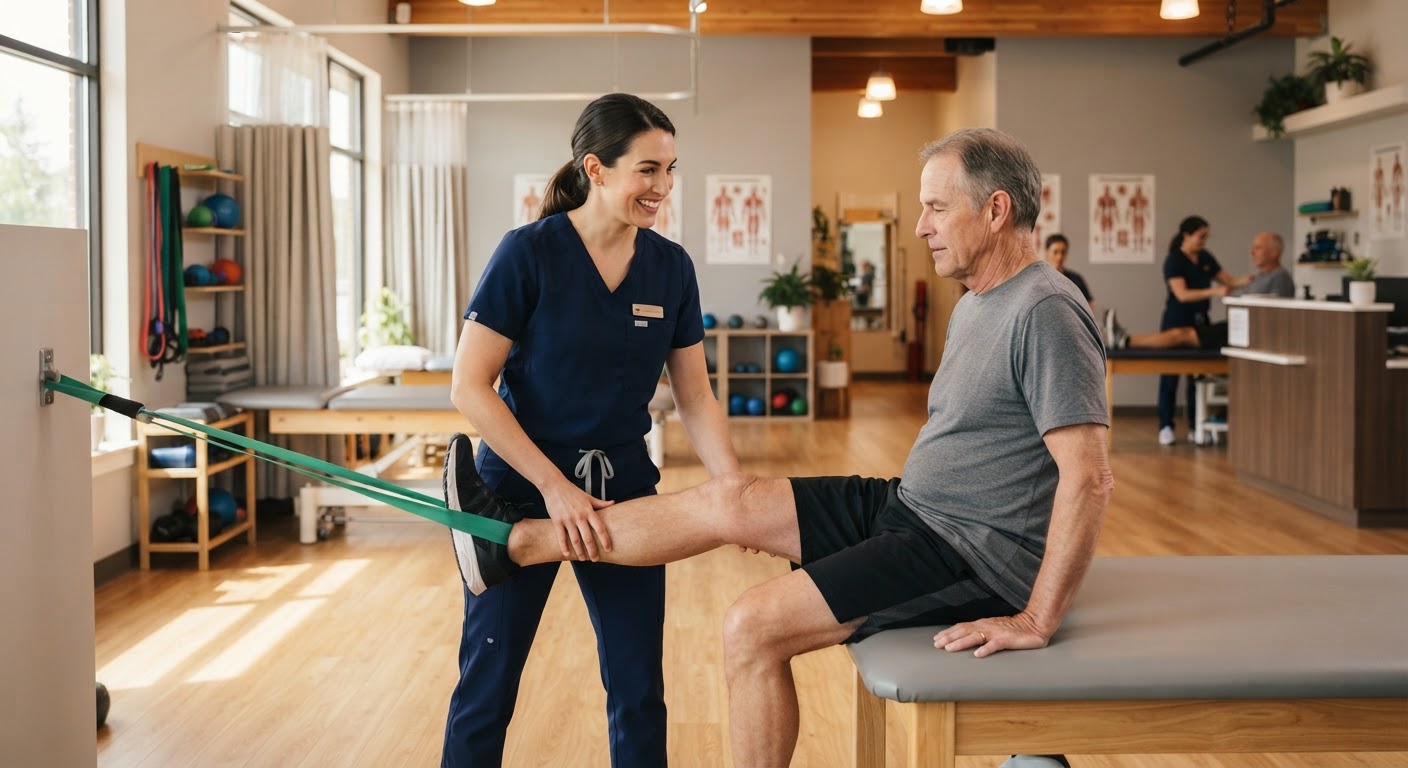
Treatment may include therapeutic exercise, mobility work, balance training, hands-on techniques, and education. The exact approach depends on your evaluation and progress. Exercises can help improve strength and flexibility, while movement practice can help you return to tasks that matter to you. Your therapist may also suggest ways to adjust an activity so you can stay active without unnecessarily aggravating symptoms.
Physical therapy does not promise instant or identical results for everyone. Instead, it provides a structured way to work toward better function, understand your body’s response to activity, and build skills for managing symptoms over time.
Addressing The Factors Behind Pain
Pain can have many causes, and the source is not always obvious. A joint may be stiff, nearby muscles may be weak, or a repeated movement at work may be placing extra stress on an area. Sometimes pain changes how you move, and those changes can make certain activities feel harder. A physical therapist can assess these patterns and help you decide which areas to address.
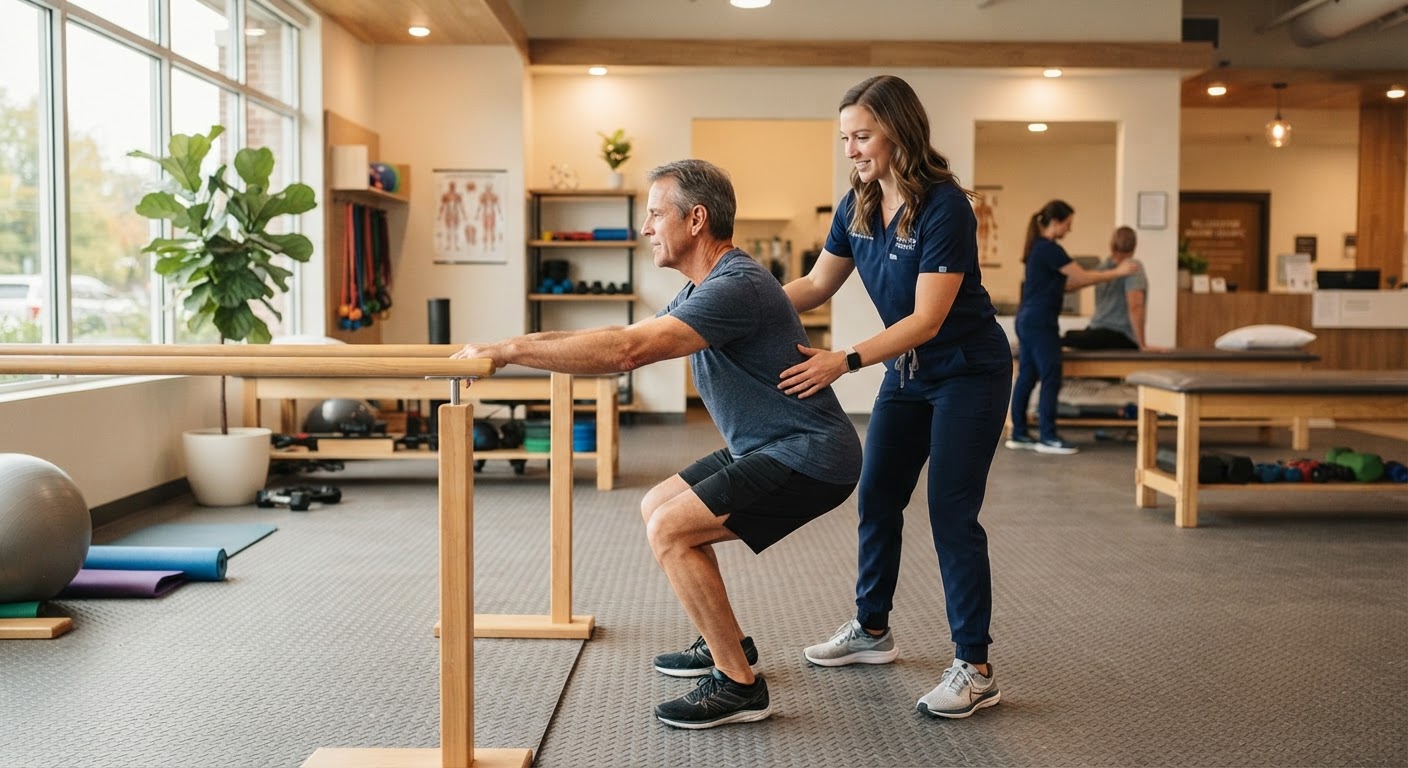
Your plan may focus on gradually increasing strength, restoring comfortable range of motion, improving coordination, or practicing everyday movements. For example, someone with back discomfort may work on trunk strength and lifting mechanics, while a person recovering from a knee injury may focus on leg strength and balance. These are examples only; treatment should be tailored to the individual.
A physical therapist can also help you pace activities. Doing too much on a good day may lead to a flare-up, while avoiding movement entirely can make it harder to return to normal routines. Finding a manageable starting point and increasing activity gradually can support steady progress.
Practical Ways To Support Pain Relief
Follow your personalized plan. Your therapist can show you how to perform exercises safely and explain how often to do them. If an exercise causes unexpected or worsening symptoms, pause and ask your therapist how to adjust it rather than pushing through.
Keep a simple activity and symptom log. Note what you did, how your body felt during the activity, and how you felt afterward. This can help you and your therapist spot patterns and make useful changes to your plan.
Break up long periods of sitting or repetitive work when possible. Brief movement breaks, comfortable positioning, and task adjustments may make daily activities easier. Ask your therapist which changes make sense for your specific needs.
Build activity gradually. Start with a duration or level that feels manageable, then increase it based on your response and your therapist’s guidance. Consistency is often more helpful than occasional bursts of intense activity.
Share your concerns. Tell your therapist about changes in symptoms, activities you are avoiding, and what you hope to do again. Your feedback helps the care team adapt your rehabilitation plan and keep it connected to your priorities.
When To Seek Professional Guidance
Consider speaking with a healthcare professional if pain is limiting your daily life, keeps returning, or makes it difficult to move comfortably. A physical therapist can evaluate your movement and discuss whether physical therapy may be appropriate. If symptoms are severe, rapidly worsening, or accompanied by concerning changes in your health, contact a medical professional promptly.
Physical therapy is not a substitute for medical evaluation when one is needed. Your therapist can work with you and, when appropriate, coordinate with other members of your healthcare team. If you already have a diagnosis or treatment plan, share that information during your visit.
A Supportive Path Toward Better Movement
Pain management is about more than getting through today. With guidance, education, and an individualized rehabilitation plan, you can work toward improved movement and greater confidence in everyday activities. Progress may take time, but learning how to move safely and respond to symptoms can help you take an active role in your care.
Physical Therapy NOW™ provides physical therapy services for people seeking support with pain and movement concerns. If pain is getting in the way of your routine, visit or call the Kissimmee location to ask about an evaluation and discuss your goals. The team can help you take a practical next step toward pain relief and improved function.
Ready to start feeling better?
Physical Therapy NOW™ has 40+ Florida locations with same-week appointments. Most insurance, auto accident (PIP), workers' compensation and Medicare accepted.