The Role Of Physical Therapy In Pain Management
Pain can affect far more than one part of the body. It may make walking, working, exercising, sleeping, or enjoying time with family more difficult. Whether pain began after an injury or developed gradually, physical therapy can be an important part of a thoughtful pain management plan. Rather than focusing only on the uncomfortable area, rehabilitation looks at how your body moves and what may be contributing to difficulty with everyday activities.
At Physical Therapy NOW™, care is centered on your goals, symptoms, and daily routine. For people in Temple Terrace, FL, working with a physical therapist can provide guidance on movement, strength, and practical ways to manage symptoms. Treatment is individualized, and progress may involve small, steady steps rather than a quick fix.
Understanding Pain And Movement
Pain is a personal experience, and it can have many possible contributors. An injury, repetitive activity, reduced strength, joint stiffness, stress, or changes in activity levels may all affect how a person feels and moves. Pain does not always indicate that a body part is being damaged in the moment, but new or changing symptoms deserve appropriate attention.
A physical therapist will typically ask about your health history, symptoms, and activity goals, then assess relevant movement and function. This process helps identify areas where mobility, strength, balance, or coordination may benefit from attention. Your therapist can also discuss when another healthcare professional may need to evaluate your symptoms.
How Physical Therapy Can Support Pain Relief
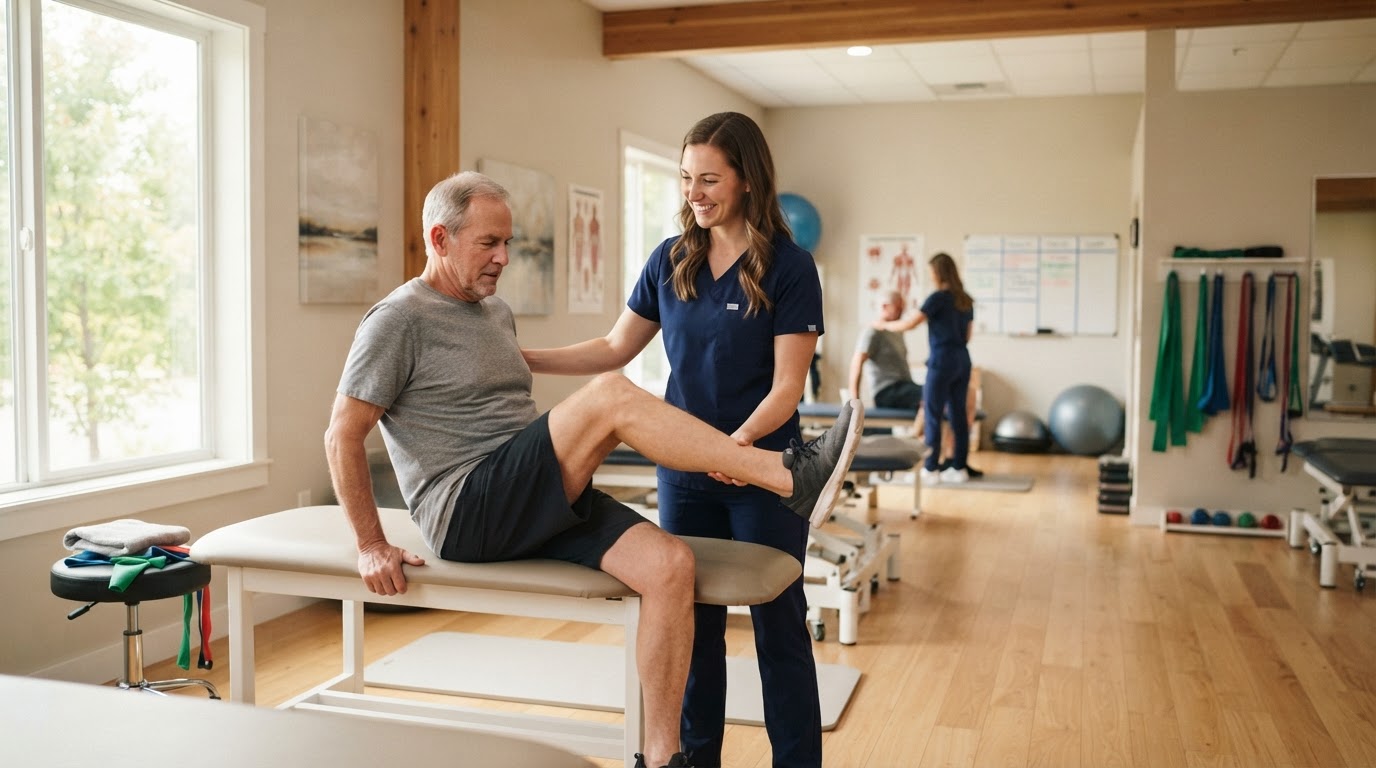
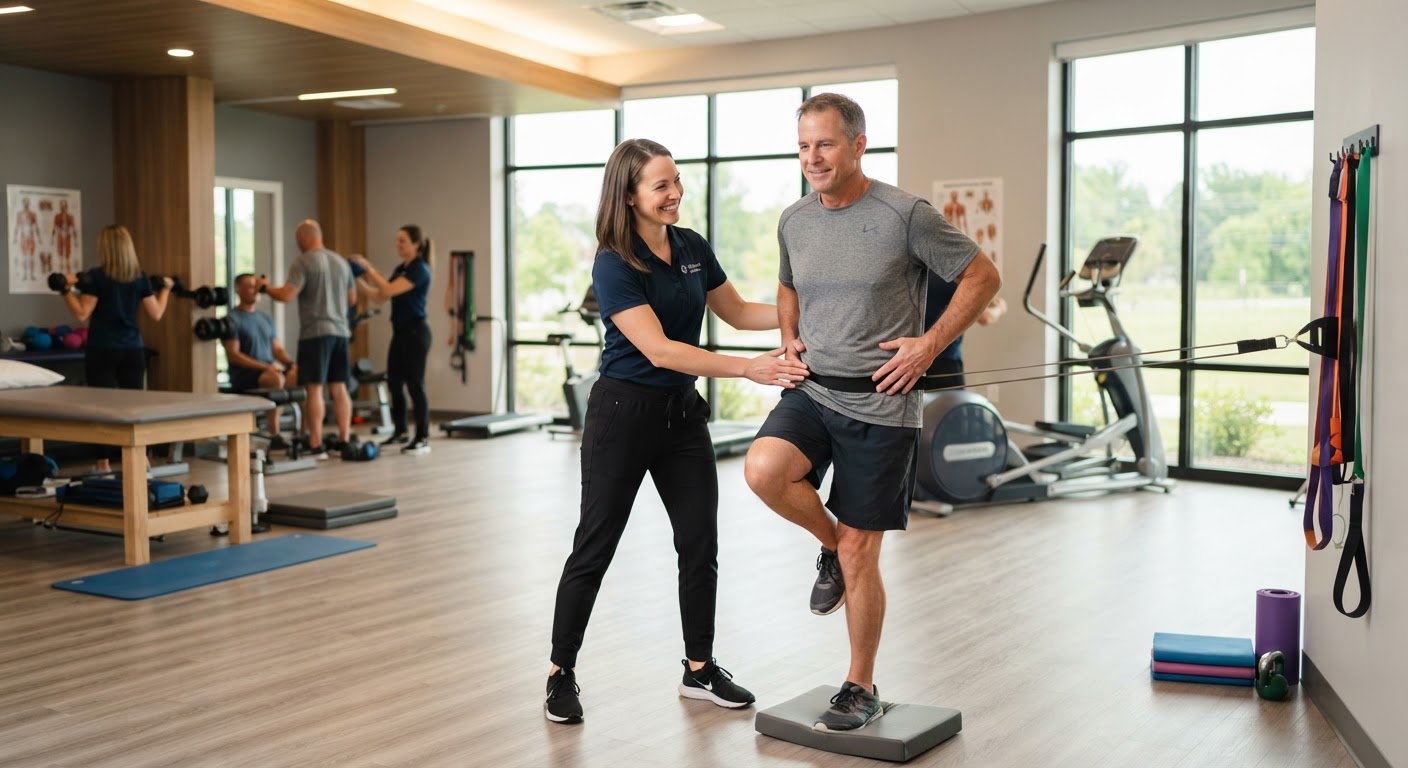
Physical therapy uses a range of approaches to help people move with greater confidence and participate more comfortably in daily life. Your plan may include therapeutic exercise, mobility work, balance training, hands-on techniques, and education. The right combination depends on your needs and how your body responds.
Exercise is often progressed gradually. For example, a person with knee discomfort may begin with manageable strengthening and movement exercises before building toward stairs or longer walks. Someone with back pain may practice gentle mobility and trunk-strengthening activities that support daily tasks. The goal is not to push through severe pain, but to find an appropriate starting point and increase activity thoughtfully.
Some people may also benefit from manual therapy, such as hands-on techniques selected by a physical therapist. These techniques are generally used as one part of a broader plan that may also address strength, movement habits, and self-management. Your therapist should explain the purpose of each approach and adapt care if symptoms change.
Education is another important part of rehabilitation. Understanding how to pace activities, adjust positions, and gradually return to movement can help you make informed choices between appointments. Physical therapy does not promise that all pain will disappear, but it can offer tools for improving function and managing symptoms.
Practical Ways To Support Your Progress
Follow the plan that you and your physical therapist discuss. Exercises should match your current ability and may need to be adjusted as you improve. Ask for a demonstration if you are unsure about technique, and let your therapist know if an activity causes a significant or lasting increase in symptoms.
Build activity gradually. After a period of reduced movement, trying to do too much at once can make it harder to stay consistent. Break demanding tasks into smaller portions, alternate heavier and lighter activities when possible, and take brief movement breaks during long periods of sitting.
Pay attention to patterns without becoming alarmed by every sensation. A simple note of what activities you did, how symptoms changed, and what helped may give you and your therapist useful information. Sleep, stress, and daily workload can also affect how manageable pain feels, so share relevant changes during your visits.
Use comfortable movement rather than avoiding all activity. Complete rest is not appropriate for every condition, and prolonged inactivity can make returning to daily tasks more challenging. Your therapist can help you identify safe ways to stay active while respecting your current limits. If symptoms are severe, rapidly worsening, or accompanied by concerning changes such as new weakness or loss of coordination, seek medical guidance promptly.
A Personalized Approach To Rehabilitation
Pain management is rarely identical from one person to another. A plan may change as you gain strength, improve mobility, or return to activities that matter to you. Progress can be measured in practical ways, such as getting dressed more comfortably, walking farther, lifting with better control, or feeling more confident about movement.
Communication helps make care more effective. Tell your therapist what is improving, what remains difficult, and which goals are most important to you. If an exercise or strategy does not fit your routine, discuss alternatives. A collaborative plan is more likely to be realistic and sustainable.
Physical Therapy NOW™ provides physical therapy services for people seeking support with pain management and rehabilitation. At the Temple Terrace location in Temple Terrace, FL, the team can work with you to understand your concerns and discuss a plan suited to your needs. Your care may also be coordinated with other healthcare providers when appropriate.
Take A Step Toward Better Movement
Living with pain can be frustrating, but you do not have to navigate movement changes alone. Physical therapy can help you explore practical strategies, build capacity gradually, and work toward the activities that matter in your life. For individualized support, visit or call Physical Therapy NOW™ at the Temple Terrace location to ask about an appointment. A conversation with the team can help you learn whether physical therapy may be a useful next step for your pain management goals.
Ready to start feeling better?
Physical Therapy NOW™ has 40+ Florida locations with same-week appointments. Most insurance, auto accident (PIP), workers' compensation and Medicare accepted.