The Role of Physical Therapy in Pain Management
Pain can affect how you work, sleep, exercise, and enjoy everyday activities. When discomfort persists or keeps returning, it can be tempting to avoid movement altogether. Yet for many people, the right kind of movement, combined with guidance from a physical therapist, can be an important part of a thoughtful pain management plan.
Physical therapy is not simply a set of exercises. It is an individualized approach to understanding movement challenges, improving function, and building skills that may help you manage symptoms over time. At Physical Therapy NOW™ in Plantation, FL, care begins with learning about your goals, health history, and the activities that are difficult for you.
How Physical Therapy Supports Pain Relief
Pain can have many contributing factors, including changes in strength, mobility, posture, activity levels, or the way the body responds to repeated tasks. A physical therapist evaluates how you move and considers your symptoms and goals when planning care. The aim is to address relevant movement and functional limitations—not just focus on the location where you feel pain.
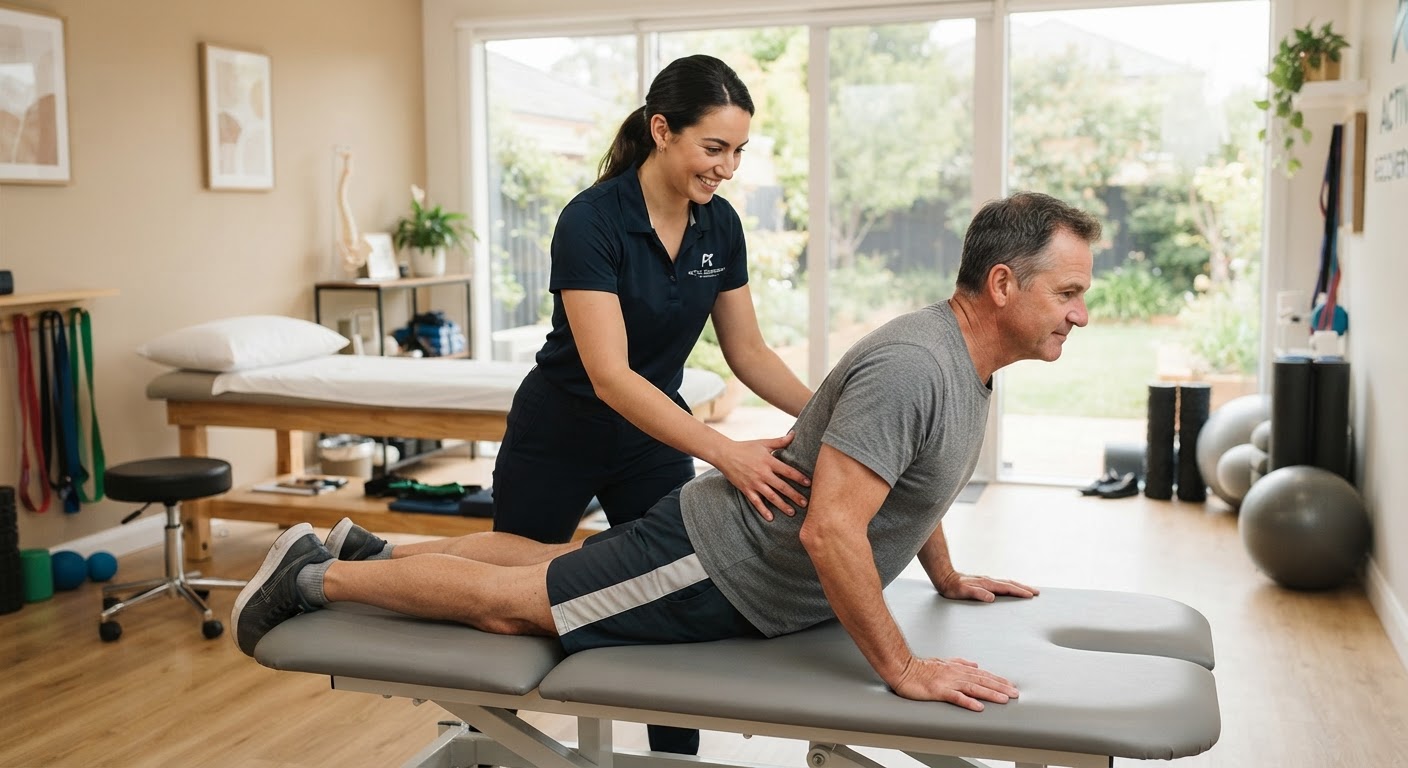
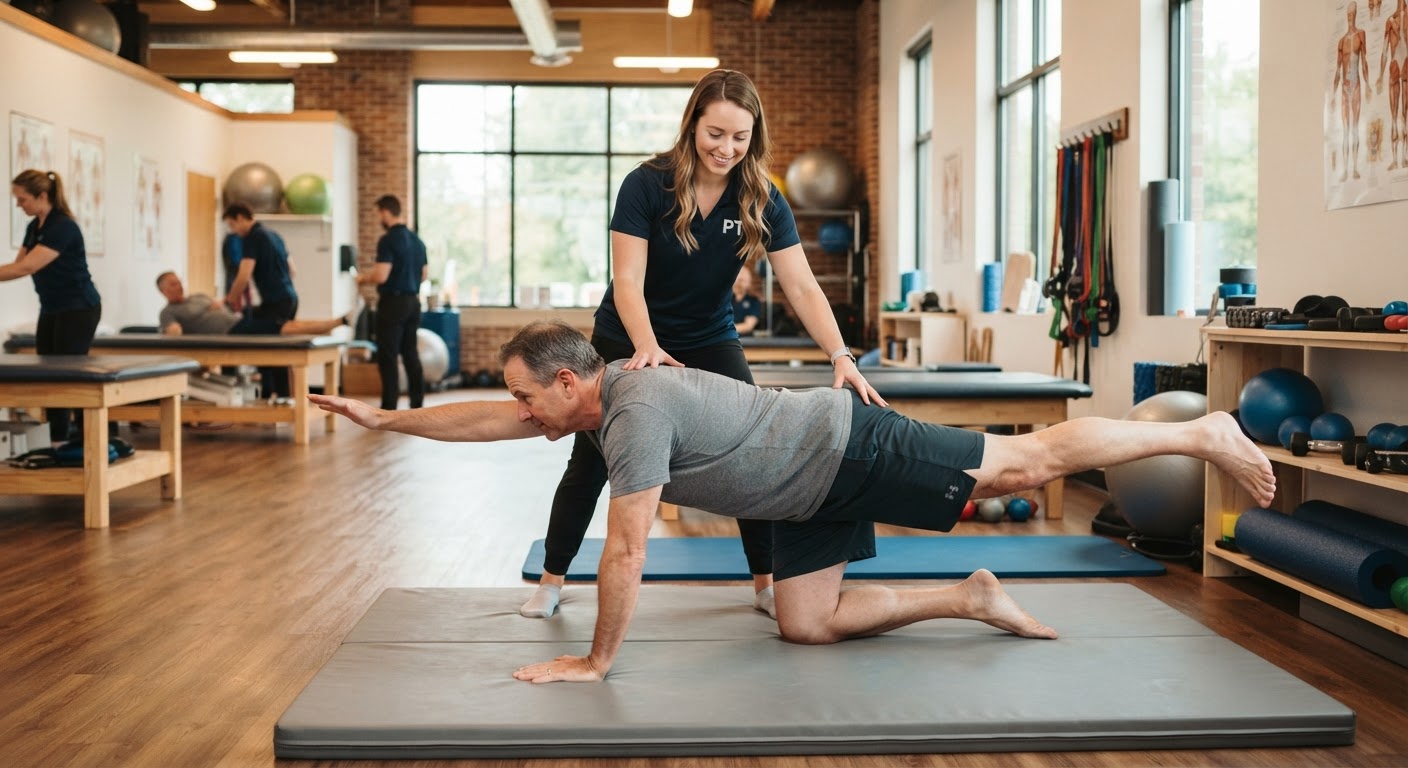
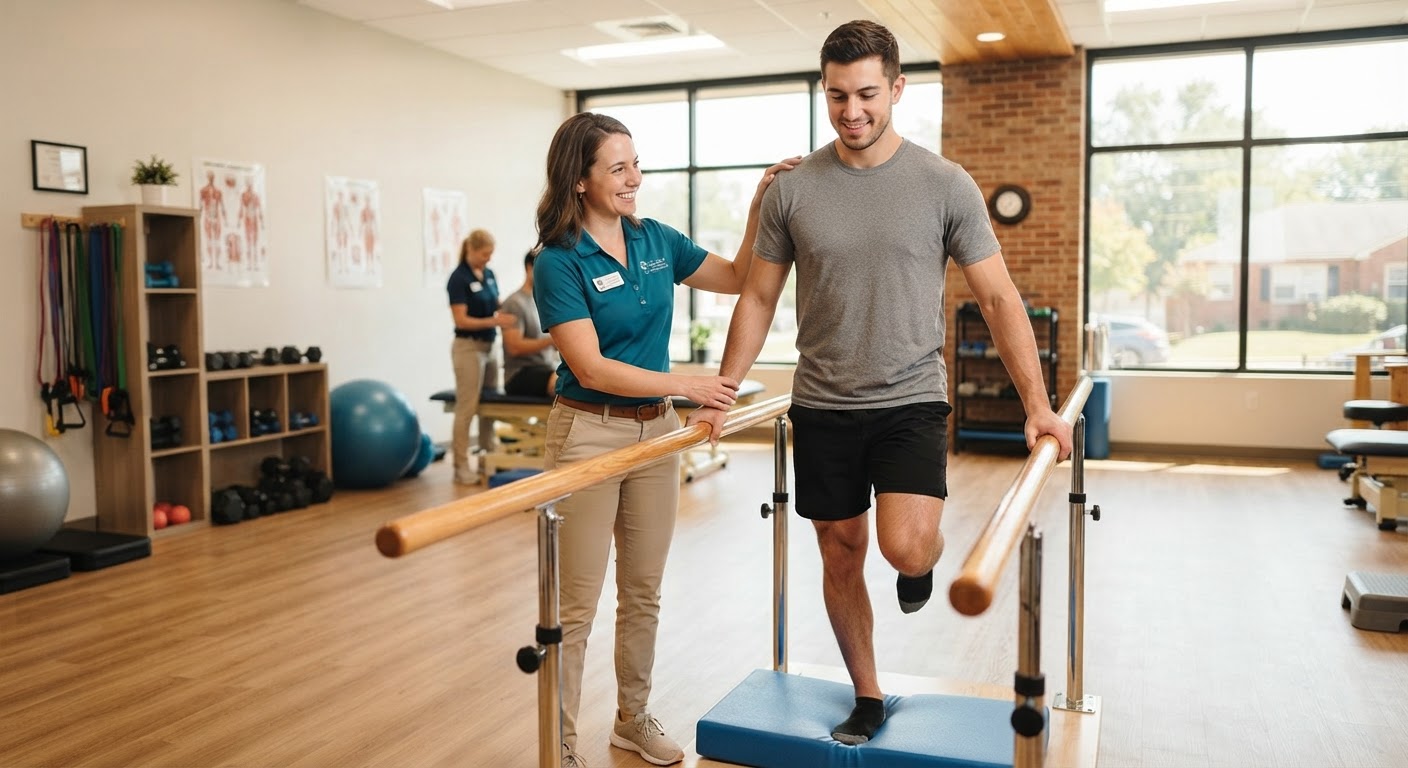
Your plan may include therapeutic exercises, mobility work, balance or coordination activities, and education about pacing and movement. Depending on your needs, a therapist may also use hands-on techniques or other treatment approaches. The plan should be tailored to you and adjusted as your abilities and symptoms change.
Physical therapy can help you practice moving with more confidence and build strength and flexibility for daily activities. Results vary, and no treatment can promise that pain will disappear. However, learning how to move safely, respond to flare-ups, and gradually return to meaningful activities can be valuable parts of rehabilitation.
A Personalized Plan, Not a One-Size-Fits-All Routine
Pain management is personal. Two people with similar symptoms may have different needs, health histories, and goals. One person may want to walk comfortably, while another hopes to return to a favorite sport or manage household tasks with less difficulty.
During an evaluation, your physical therapist may ask when your symptoms began, what makes them better or worse, and how they affect your routine. They may assess movement, strength, balance, or flexibility as appropriate. This information helps guide a plan that fits your current abilities and progresses at a manageable pace.
Be open about what you are experiencing. Let your therapist know if an exercise feels difficult, if symptoms change, or if you are worried about a particular movement. Communication allows your care team to adapt activities and discuss what sensations are expected during exercise. Your therapist can also coordinate with your other healthcare providers when needed.
Practical Tips for Managing Pain Between Visits
Follow your prescribed home program. Consistency matters, but completing more repetitions than recommended is not necessarily better. Ask your therapist to clarify how often to do each activity and what to do if symptoms increase.
Use pacing. Break demanding tasks into smaller steps, alternate heavier and lighter activities, and take planned breaks before you become overly fatigued. Pacing can help you stay active without treating every good day as a reason to do everything at once.
Keep moving within comfortable limits. Long periods of inactivity can make it harder to return to normal routines. Short walks or gentle movement may be appropriate for some people, but your therapist can help determine what is suitable for your condition.
Pay attention to your daily setup. Consider whether your workstation, footwear, lifting habits, or repeated movements may be contributing to discomfort. Small adjustments, such as changing positions regularly or keeping frequently used items within easy reach, may make tasks more manageable.
Track patterns, not just pain scores. Briefly note activities, sleep, stress, and symptom changes. This can help you and your therapist identify useful patterns and make informed adjustments to your rehabilitation plan.
When to Seek Professional Guidance
Consider speaking with a physical therapist if pain is limiting your daily activities, making it difficult to exercise, or returning despite changes to your routine. A therapist can help determine whether physical therapy may be appropriate and whether another healthcare professional should be involved.
Seek prompt medical care for severe or rapidly worsening symptoms, a significant injury, new weakness or numbness, or other concerning changes. Physical therapy is not a substitute for emergency care or a medical evaluation when one is needed. If you are unsure where to start, contact a healthcare professional for guidance.
Building Long-Term Confidence With Movement
Pain management often works best as a process rather than a quick fix. Progress may include being able to perform a task more comfortably, move with greater confidence, or understand how to adjust your activity when symptoms fluctuate. Your therapist can help you set realistic goals and review your plan along the way.
At Physical Therapy NOW™, the Plantation, FL team can work with you to explore whether physical therapy fits your needs and create a plan centered on your functional goals. Rehabilitation may involve active participation, practice at home, and adjustments as you progress. Ask questions and share feedback so your care remains relevant to your daily life.
Take the Next Step Toward Pain Relief
You do not have to navigate ongoing pain without support. If discomfort is affecting your movement or quality of life, contact Physical Therapy NOW™ to discuss your concerns and learn about your options. Visit or call the Plantation location to take the next step toward a personalized physical therapy plan and more confident movement.
Ready to start feeling better?
Physical Therapy NOW™ has 40+ Florida locations with same-week appointments. Most insurance, auto accident (PIP), workers' compensation and Medicare accepted.