The Role of Physical Therapy in Pain Management
Pain can make everyday activities feel harder, from getting out of bed to walking, working, or enjoying time with family. While rest or medication may help in some situations, lasting pain management often calls for a broader approach. Physical therapy can help address movement limitations, build strength, and support a gradual return to the activities that matter to you.
At Physical Therapy NOW™ in Palm Beach Gardens, care begins with understanding how pain affects your daily life. A physical therapist can assess your movement, discuss your goals, and develop a plan that fits your needs. The aim is not simply to focus on a painful area, but to help you move more comfortably and confidently.
How Physical Therapy Supports Pain Relief
Pain can have many contributing factors, including injury, muscle weakness, joint stiffness, repetitive tasks, or changes in activity. A physical therapist considers these factors when planning rehabilitation. Treatment may include therapeutic exercise, hands-on techniques, movement education, and recommendations for adapting daily activities.
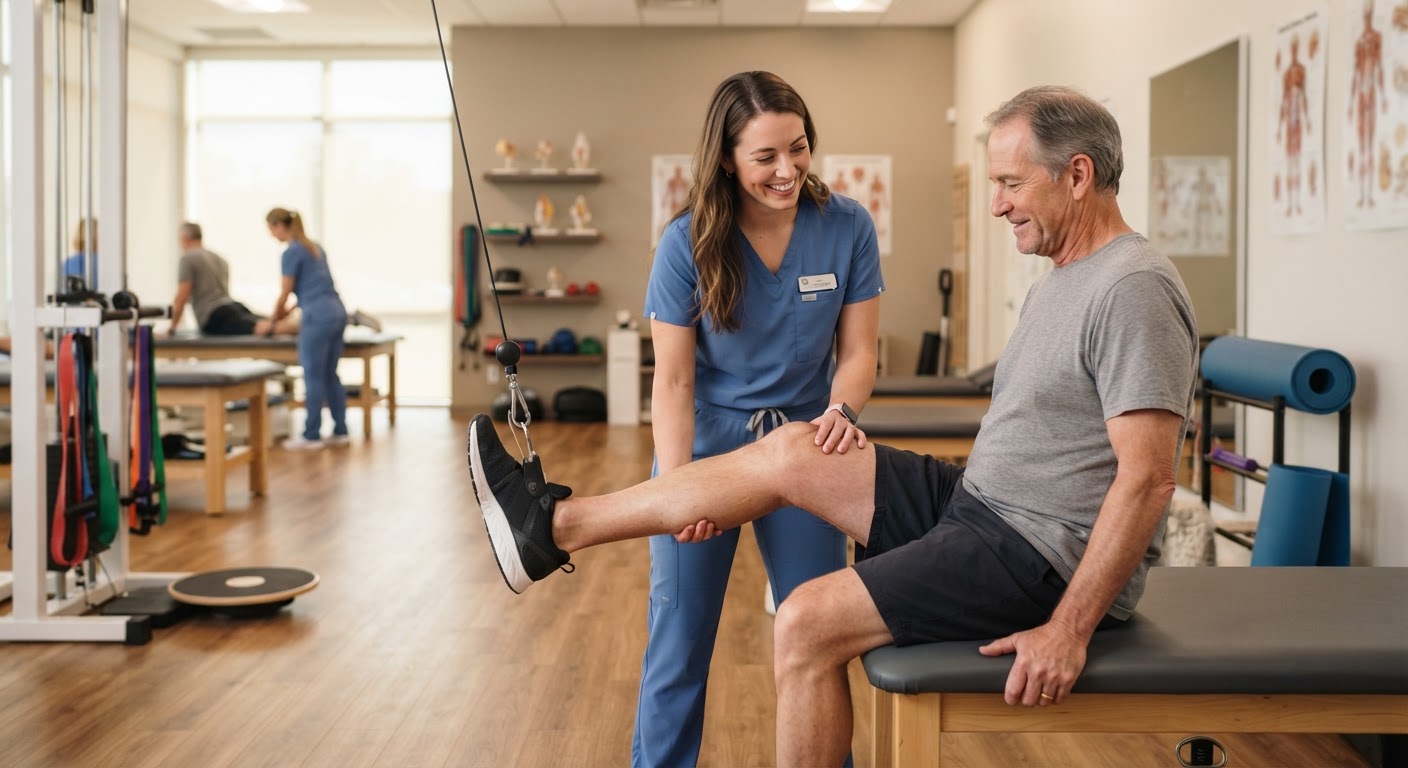
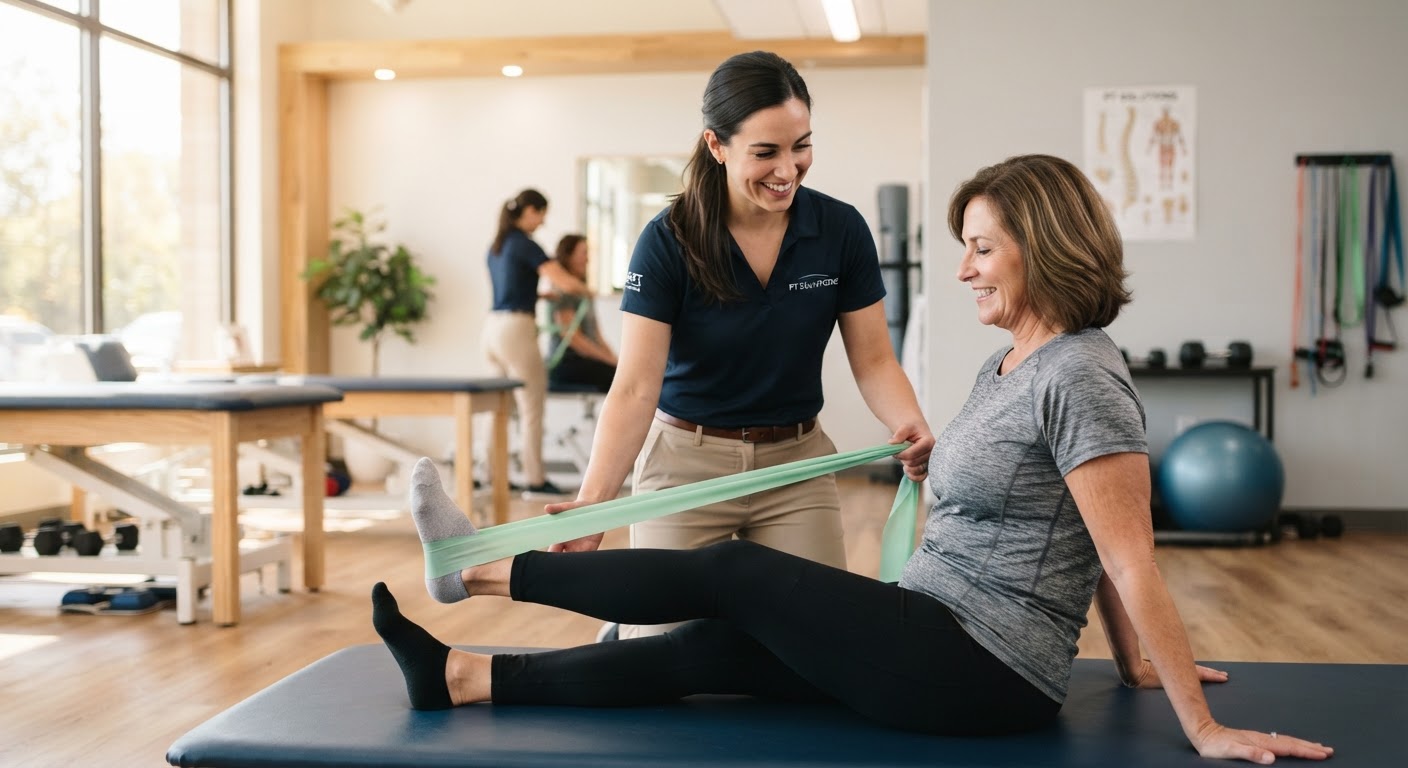
Exercise is often adjusted to your current ability and progressed as you improve. Gentle mobility work may help address stiffness, while strengthening exercises can support the muscles involved in everyday movement. Balance and coordination activities may also be appropriate, depending on your needs. Your therapist can explain how each activity relates to your goals and make changes if an exercise causes a concerning increase in symptoms.
Physical therapy does not promise an instant fix, and progress can look different for each person. Consistent, appropriately paced care can help you develop the strength and movement skills needed to manage daily demands. Your therapist can also help you understand how to respond to symptoms and when to modify an activity.
A Personalized Plan for Your Needs
Pain is personal. Two people with similar symptoms may have different goals, health histories, and barriers to movement. For that reason, a rehabilitation plan should be tailored rather than based on a one-size-fits-all routine.
Your first visits may include questions about when your pain began, what makes it better or worse, and which activities you want to resume. The therapist may assess your range of motion, strength, posture, balance, and functional movements. This information helps guide treatment and provides a starting point for tracking changes over time.
Your plan may evolve as your comfort and abilities change. If a particular activity remains difficult, your therapist can adjust the approach, offer a practical modification, or work on a related skill. Sharing honest feedback is important: let your therapist know what feels manageable, what increases symptoms, and what you would most like to do again.
Practical Ways to Support Your Progress
Small, consistent choices can complement your sessions. Start with these general tips, and ask your physical therapist how to adapt them to your situation.
Pace demanding activities. Break a large task into smaller parts and alternate heavier tasks with lighter ones. This can help you avoid doing too much at once, especially when returning to an activity after a period of reduced movement.
Keep moving within your tolerance. If prolonged sitting makes you stiff, try changing positions or taking a brief, comfortable walk when appropriate. Avoid treating movement as an all-or-nothing choice. Your therapist can help identify a suitable starting point.
Follow your home program as directed. A few well-chosen exercises performed with good technique may be more useful than adding extra movements without guidance. Ask for a demonstration if you are unsure about form, repetitions, or how often to exercise.
Notice patterns. Make a simple note of activities, positions, or times of day associated with changes in your symptoms. This information can help you and your therapist make informed adjustments to your plan.
Protect recovery habits. Regular sleep, comfortable work setups, and planned breaks may make it easier to participate in daily activities and therapy. If you spend long periods at a desk, consider adjusting your chair and screen position and changing posture periodically.
When to Seek Professional Guidance
Consider consulting a physical therapist when pain or stiffness is interfering with work, exercise, household tasks, or other routines, or when you are unsure how to return to movement safely. A physical therapist can assess your needs and discuss whether therapy is appropriate or whether another healthcare professional should be involved.
Seek prompt medical attention for severe or sudden symptoms, pain after a significant injury, or symptoms accompanied by concerning changes such as new weakness, numbness, or difficulty controlling bowel or bladder function. Physical therapy is not a substitute for emergency care or medical evaluation when these symptoms occur.
Moving Toward More Confident Activity
Effective pain management is often about more than reducing discomfort in the moment. It can also involve improving strength, mobility, and confidence so you can take part in the activities that give your day meaning. Physical therapy offers guided support, practical education, and a plan that can be adjusted as you progress.
Physical Therapy NOW™ can help you take a thoughtful next step toward rehabilitation and improved function. Contact or visit the Palm Beach Gardens location to learn about scheduling an evaluation. Call the clinic using the phone number listed on its website, and ask how a personalized physical therapy plan may support your goals for pain relief and movement.
Ready to start feeling better?
Physical Therapy NOW™ has 40+ Florida locations with same-week appointments. Most insurance, auto accident (PIP), workers' compensation and Medicare accepted.