Understanding Pain And Your Options
Pain can affect how you move, sleep, work, exercise, and enjoy everyday activities. It may begin after an injury, develop gradually, or continue after tissues have healed. Whatever the cause, pain can feel discouraging, especially when it limits your routine. Physical therapy offers a personalized, movement-focused approach to pain management that can help you work toward better function and lasting skills for self-care.
At Physical Therapy NOW™ in Orlando, FL, therapists can assess how pain affects your movement and daily activities, then develop a plan based on your goals. Physical therapy is not a one-size-fits-all solution, and it may be one part of care that includes guidance from other healthcare professionals.
How Physical Therapy Helps Manage Pain
A physical therapist begins by learning about your symptoms, health history, daily demands, and goals. An evaluation may include observing how you walk, bend, reach, balance, or perform movements related to your activities. This helps identify factors that may be contributing to discomfort or limiting function.
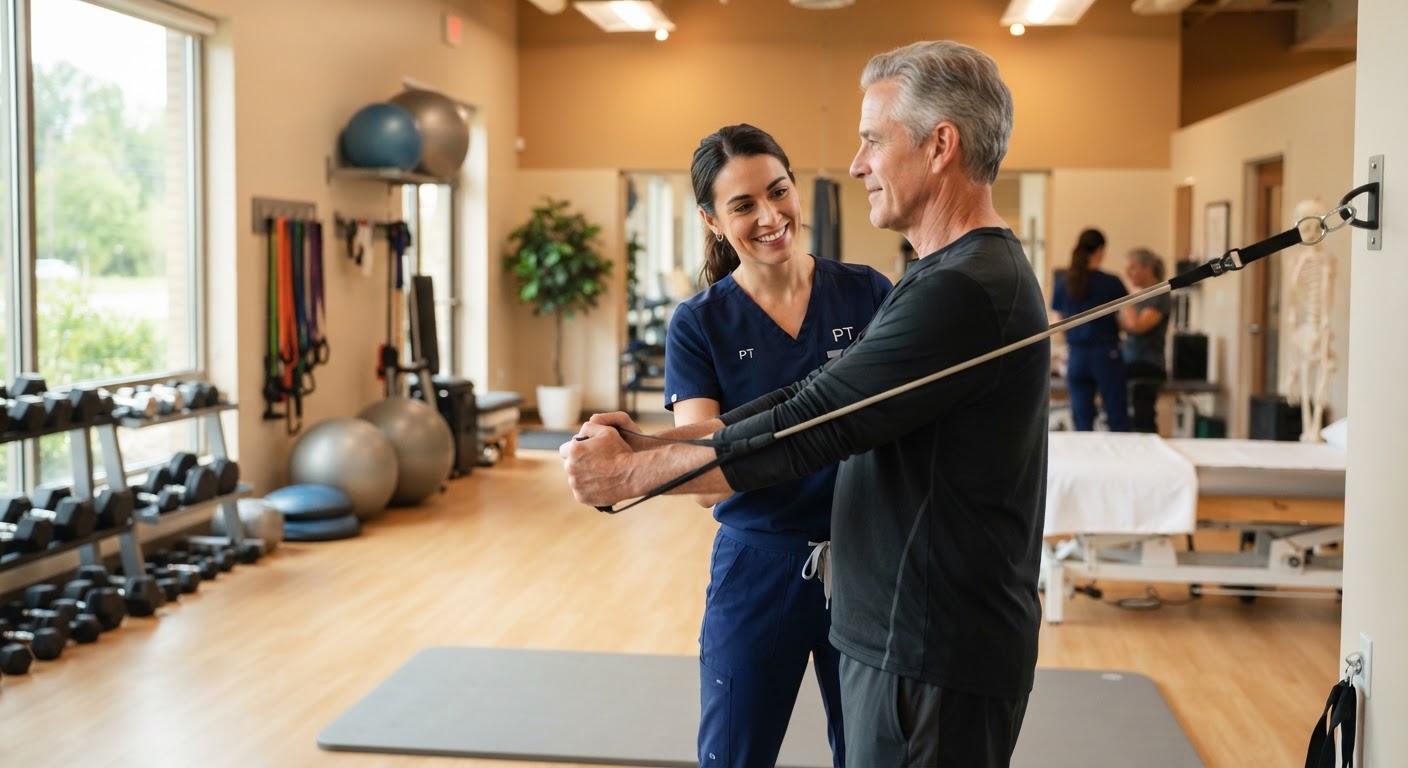
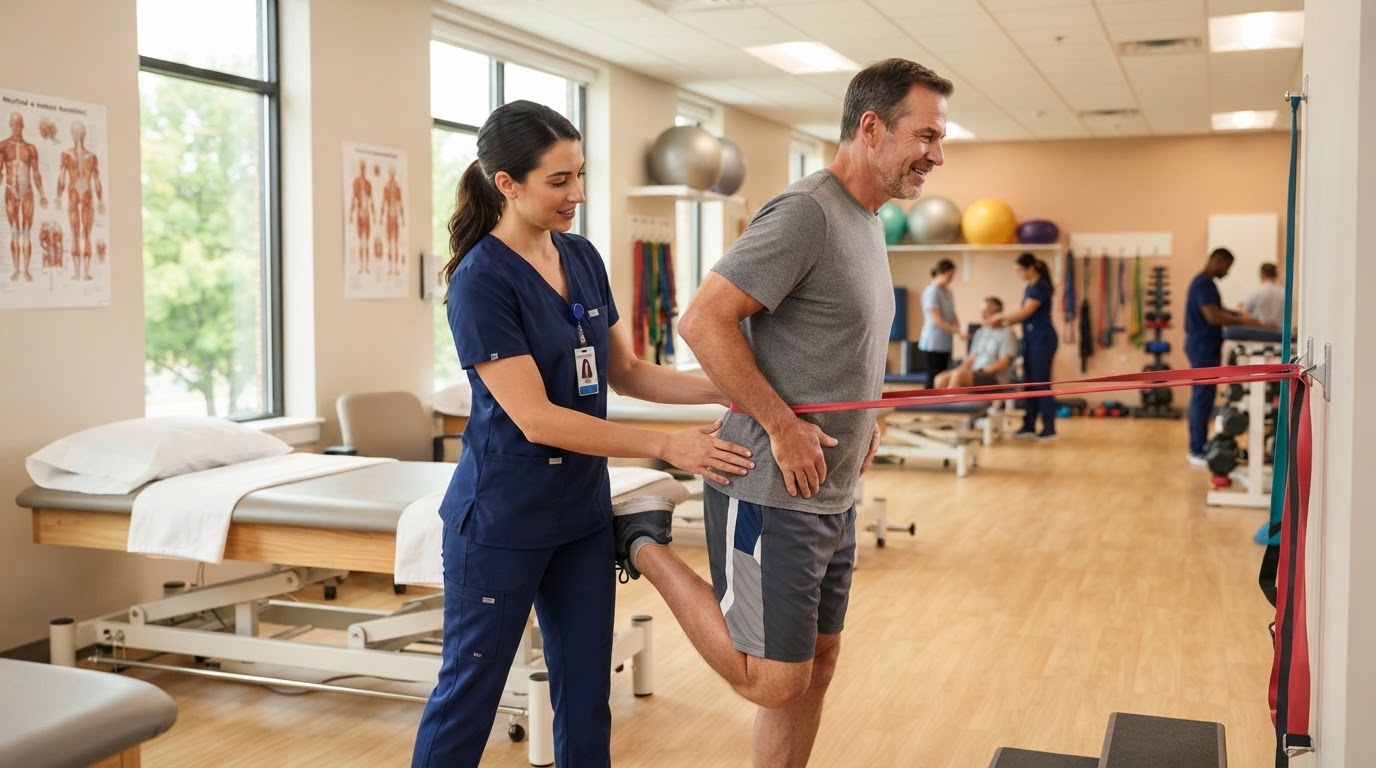
Treatment may use a combination of therapeutic exercise, movement training, hands-on techniques, and education. The aim is not simply to address discomfort during a visit. Rehabilitation can also help you build strength, mobility, balance, and confidence so you can participate more comfortably in the activities that matter to you.
Your plan should be adjusted as you progress and as your needs change. Your therapist can explain what each part of treatment is intended to do and help you understand which activities are appropriate for you.
A Focus On Movement And Function
When pain makes you move less, muscles may become weaker and everyday tasks can feel more difficult. A therapist can guide you through exercises selected for your current ability and gradually adjust the challenge. Depending on your situation, this might include mobility work, strengthening, balance practice, or training in movements used at home or work.
The goal is steady, manageable progress. You do not need to push through sharp or rapidly worsening pain to make progress. Tell your therapist how an activity feels during and after treatment. That feedback can help them modify the movement, amount of effort, or pace of your program.
Education And Practical Pain Relief Strategies
Learning how to manage symptoms between appointments is an important part of physical therapy. Your therapist may help you identify activity patterns, plan rest breaks, and use comfortable positions or movement strategies for daily tasks. This can support pain relief while helping you stay as active as is appropriate for your condition.
Try these general strategies as a starting point:
Keep a brief activity and symptom log. Note what you were doing, how long you did it, and what seemed to help or aggravate symptoms. Share the pattern with your therapist.
Break demanding tasks into smaller steps. Short, planned breaks may be more helpful than waiting until you are exhausted or very uncomfortable.
Stay gently active within your tolerance. Ask your healthcare provider or physical therapist which activities are appropriate, particularly after an injury or procedure.
Use the exercises you have been taught, following the recommended form and amount. If an exercise causes unexpected or increasing symptoms, pause and ask your therapist how to proceed.
Prioritize recovery habits. Consistent sleep routines, pacing, and a manageable daily schedule can complement your rehabilitation plan.
Care For Different Types Of Pain
Physical therapy may be part of care for many musculoskeletal concerns, including back or neck discomfort, joint pain, sports injuries, post-surgical recovery, and some balance or mobility problems. The right approach depends on the source of symptoms, your health, and your personal goals. A physical therapist can also help you understand when your symptoms may call for evaluation by another healthcare professional.
Pain that persists can be complex and may be influenced by more than one factor. A thoughtful rehabilitation plan considers the whole person rather than focusing only on a sore area. Progress may involve improving daily function, building confidence with movement, and finding effective ways to respond when symptoms fluctuate, even if pain does not change immediately.
What To Expect From A Rehabilitation Plan
Your first visits are an opportunity to discuss what you want to return to and what feels challenging now. Be open about your symptoms, concerns, schedule, and previous experience with exercise or treatment. This information helps your therapist recommend realistic next steps.
Progress is not always perfectly linear. Some days may feel easier than others, and goals can be updated over time. Keep communication open with your therapist, attend appointments as recommended, and ask questions if you are unsure how to perform an exercise or adapt an activity. A plan you understand and can follow is more useful than one that feels confusing or overwhelming.
When To Seek Medical Attention
Physical therapy is not a substitute for urgent medical care. Seek prompt medical advice for severe or rapidly worsening symptoms, a major injury, new significant weakness or numbness, or other symptoms that concern you. If you are unsure where to start, contact a healthcare professional who can advise you based on your situation.
Take The Next Step Toward Pain Relief
Pain can make everyday life feel smaller, but support and a practical plan may help you move toward meaningful goals. Physical Therapy NOW™ provides individualized physical therapy and rehabilitation guidance for people working to improve movement and manage pain. If pain is limiting your routine, contact or visit the Orlando location in Orlando, FL to learn about scheduling an evaluation. Call Physical Therapy NOW™ and take the next step toward a plan designed around you.
Ready to start feeling better?
Physical Therapy NOW™ has 40+ Florida locations with same-week appointments. Most insurance, auto accident (PIP), workers' compensation and Medicare accepted.