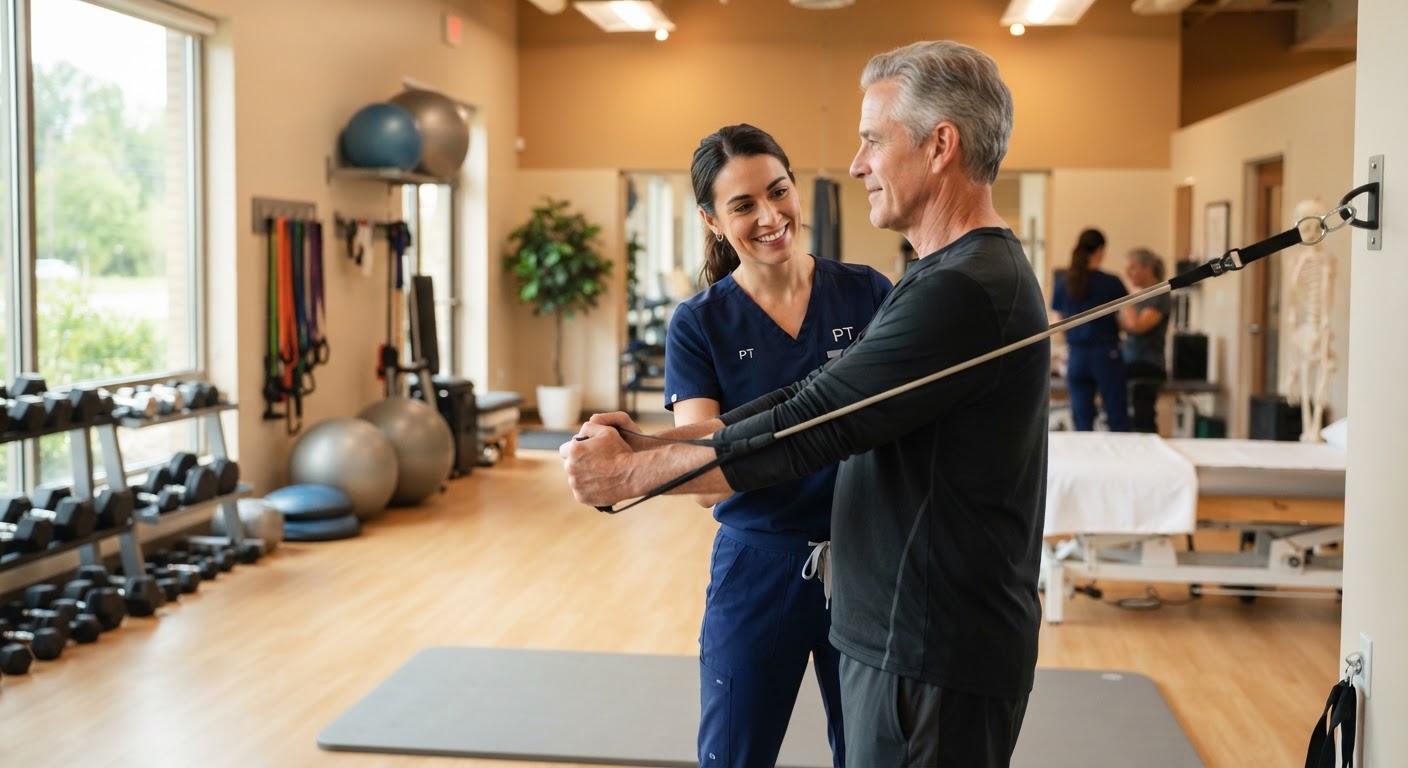
The Role Of Physical Therapy In Pain Management
Pain can affect more than a single part of your body. It may make walking, working, exercising, sleeping, or enjoying time with family more difficult. Physical therapy offers a personalized approach to pain management that focuses on how your body moves and functions. Rather than looking only at the painful area, a physical therapist considers the factors that may contribute to your symptoms and helps you work toward safer, more comfortable movement.
At Physical Therapy NOW™, our Oakland Park location helps people explore rehabilitation options that fit their needs and goals. Understanding how physical therapy may support pain relief can help you take an active role in your care.
How Physical Therapy Supports Pain Management
Pain can have many causes, and the right plan depends on your health, symptoms, daily activities, and goals. A physical therapist begins by learning about your concerns and assessing factors such as mobility, strength, balance, posture, and movement patterns. This information helps guide a treatment plan tailored to you.
Physical therapy may include therapeutic exercise, hands-on techniques, movement training, and education. The aim is to improve your ability to move and manage everyday tasks, while gradually building strength and confidence. Your therapist can also adjust the plan as your needs change. Progress may take time, and treatment is not the same for everyone.
A Whole-Body Approach To Pain
Pain is not always explained by one structure or one movement. For example, discomfort in one area may be affected by limited mobility or reduced strength elsewhere. A therapist looks at how different parts of the body work together and how your routines may influence symptoms.
This broader view can help identify practical opportunities for change. You may benefit from learning a more comfortable way to lift, improving flexibility, pacing demanding activities, or gradually returning to exercise. Physical therapy does not replace medical evaluation when it is needed. Instead, it can be part of coordinated care, alongside guidance from your physician or other healthcare professionals.
What To Expect At Your First Visit
Your first appointment is a chance to discuss what you are experiencing and what you would like to do more comfortably. Be ready to describe when your symptoms began, what tends to aggravate or ease them, and how they affect daily life. Your physical therapist may ask about your health history and assess movement or strength, depending on your situation.
You can also share questions or concerns about exercise and activity. Treatment should be adapted to your abilities and comfort level. If a movement causes significant or unusual discomfort, let your therapist know rather than trying to push through it. Open communication helps your care team make appropriate adjustments.
Practical Steps You Can Try
Small, consistent actions may support your rehabilitation plan. The following tips are general and may not be appropriate for every condition, so ask your healthcare provider what is safe for you.
Stay gently active when appropriate. Avoiding all movement for long periods can make it harder to return to daily activities. If your clinician has not advised otherwise, consider comfortable movement, such as a short walk, and increase gradually based on your response.
Pace demanding tasks. Break larger chores into manageable steps, alternate heavier and lighter activities, and take brief rest breaks before you feel completely worn out. Pacing can help you stay involved in your routine without repeatedly overdoing it.
Notice patterns without becoming fearful of movement. A simple note of activities, symptoms, and recovery can help you and your therapist spot useful patterns. The purpose is to guide decisions, not to avoid every activity that causes a temporary change in discomfort.
Follow your exercise plan as discussed. Your therapist can explain how often to practice, how to adjust an activity, and when to stop and ask for guidance. Consistency is often more useful than doing too much at once.
Supportive Habits And Realistic Goals
Sleep, stress, and daily routines can influence how you feel and function. While these factors do not explain every pain experience, discussing them with your care team may help identify helpful strategies. For example, adjusting a workstation, changing positions regularly, or planning activity around your energy may make daily life more manageable.
Set goals that matter to you. Rather than focusing only on a symptom score, consider a meaningful task, such as climbing stairs more comfortably, returning to gardening, or carrying groceries. Your therapist can help break a larger goal into smaller steps and review your progress along the way.
When To Seek Professional Guidance
Consider speaking with a healthcare professional if pain is persistent, recurring, limiting your activities, or difficult to manage on your own. Physical therapy may be appropriate for many movement-related concerns, but a clinician can help determine the right next step. Seek prompt medical care for severe or rapidly worsening symptoms, a significant injury, new weakness or numbness, or other concerning changes.
The team at Physical Therapy NOW™ can discuss your concerns and help you understand whether physical therapy may fit your needs. Your plan should reflect your individual health history and be coordinated with other care when appropriate.
Take A Step Toward Better Movement
Living with pain can be discouraging, but you do not have to figure out every next step alone. A personalized physical therapy plan can help you build practical skills, improve movement, and work toward meaningful goals at a pace that suits you. For guidance on rehabilitation and pain relief, visit or call the Oakland Park location of Physical Therapy NOW™ to ask about getting started. Our team is ready to help you explore options for moving forward.
Ready to start feeling better?
Physical Therapy NOW™ has 40+ Florida locations with same-week appointments. Most insurance, auto accident (PIP), workers' compensation and Medicare accepted.