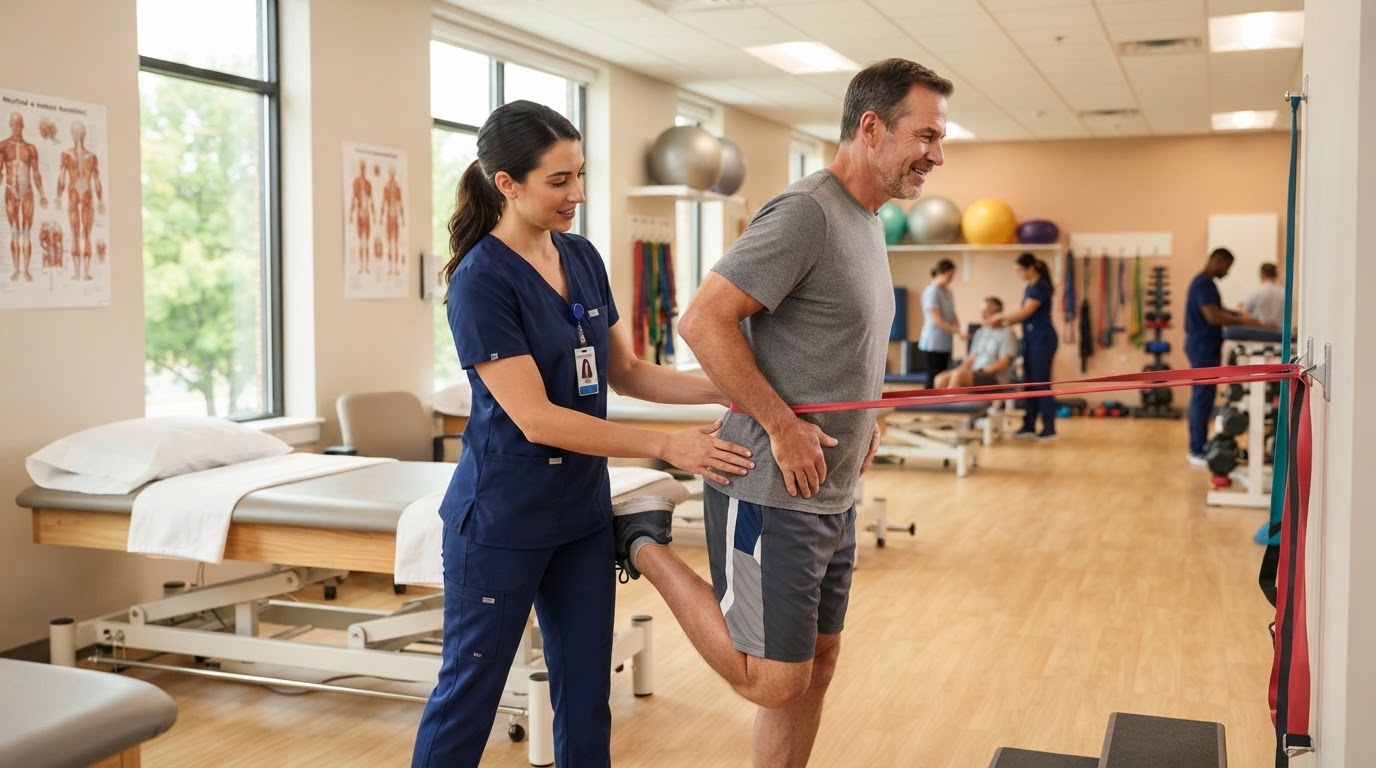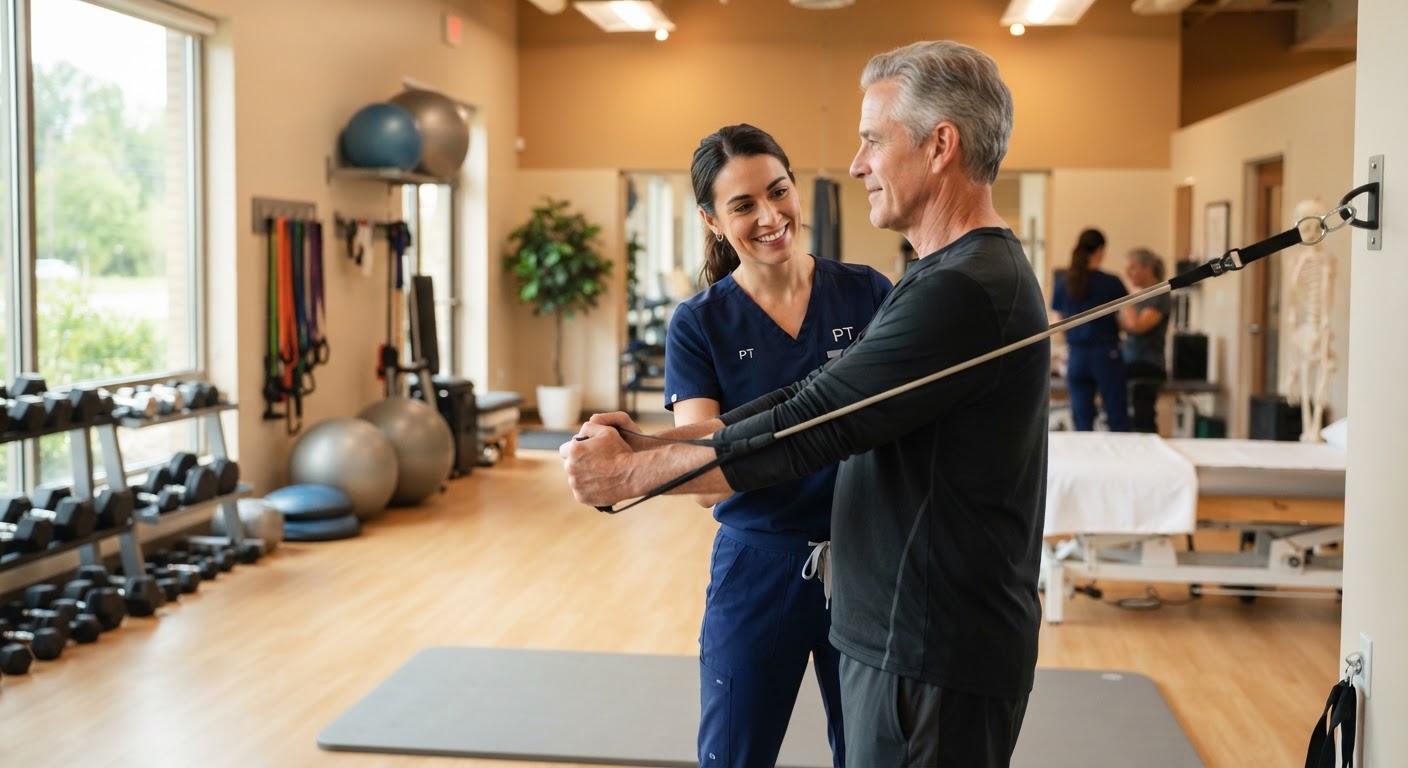
Pain can make everyday activities feel difficult, from getting out of bed to working, exercising, or enjoying time with family. Physical therapy offers a structured, movement-focused approach to pain management. Rather than concentrating only on where pain is felt, a physical therapist evaluates how your body moves, what activities are challenging, and which factors may be contributing to your symptoms.
At Physical Therapy NOW™ in North Miami, care is tailored to your needs and goals. Physical therapy is not a guaranteed quick fix, but it can help many people improve mobility, build strength, and develop strategies for managing pain with greater confidence.
How Physical Therapy Supports Pain Management
Pain can have many causes, and the right plan depends on your health history, symptoms, and daily demands. A physical therapist may assess strength, flexibility, balance, posture, and movement patterns. This evaluation helps guide a plan that is appropriate for your abilities and adjusted as you progress.
Treatment may include therapeutic exercise, mobility work, balance training, hands-on techniques, and education about pacing or body mechanics. These approaches can help address limitations that make daily tasks harder. For example, building leg strength may make stairs easier, while improving shoulder mobility may help with reaching or dressing.
Physical therapy can also help you understand how to respond to changes in symptoms. Your therapist can explain which activities to modify, how to gradually return to valued tasks, and when it may be important to seek additional medical guidance. The goal is to support safer movement and lasting function, not simply to provide temporary comfort.
A Personalized Plan, Not a One-Size-Fits-All Approach
Pain management is personal. Two people with similar symptoms may have different health histories, activity levels, and goals. One person may want to walk comfortably around the neighborhood, while another may be focused on returning to work, lifting a child, or resuming a sport.
Your rehabilitation plan should reflect those priorities. Early sessions may focus on understanding your symptoms and finding comfortable ways to move. As your tolerance improves, your therapist may gradually adjust exercises or activities to build capacity. Your plan can also change based on your response, so share what feels helpful, what feels difficult, and how you feel after each session.
Some soreness can occur when starting unfamiliar movements, but sharp, worsening, or unusual symptoms deserve attention. Tell your therapist about any concerns rather than pushing through them. If symptoms are severe, sudden, or accompanied by other concerning changes, contact a healthcare professional promptly.
Practical Steps You Can Use Between Visits
Follow your home program as prescribed. Consistency with a manageable plan is often more useful than doing too much at once. Ask your therapist to demonstrate each movement and explain how many repetitions, how often to practice, and what sensations are expected.
Build activity gradually. If walking is a goal, begin with a distance or duration that feels manageable and increase it according to your therapist’s guidance. Avoid making a large jump in activity after a day when you feel better; gradual progress can help you understand how your body responds.
Use pacing for demanding tasks. Break chores into smaller parts, alternate heavier and lighter activities, and take planned breaks before fatigue becomes overwhelming. Pacing is not about avoiding movement. It is a way to stay active while managing the demands placed on your body.
Notice patterns without becoming overly focused on every sensation. A simple record of activities, symptoms, sleep, and recovery may help you and your therapist identify useful adjustments. Include positive changes, such as moving more easily or completing a task with less assistance.
Keep moving within your current abilities. Prolonged rest can make it harder to regain strength and mobility for some conditions. Your therapist can help you choose appropriate movement and modify activities when symptoms flare. Do not start or change an exercise program without considering your individual health needs.
What to Expect From Rehabilitation
Progress is not always perfectly steady. Some days may feel easier than others, and improvement can involve small functional changes rather than an immediate absence of pain. You might notice that you can stand longer, turn more comfortably, or recover more easily after activity. These changes can be meaningful steps toward better daily function.
Your physical therapist should explain the purpose of each part of your care and invite your questions. Treatment may include coordination with your physician or another healthcare professional when appropriate. Share relevant medical information, medication changes, and new symptoms so your care team can make informed decisions together.
A supportive therapeutic relationship matters, too. Feeling heard and understanding your plan can make it easier to participate in rehabilitation. At Physical Therapy NOW™, the team can work with you to set practical goals and adapt care as your needs change.
Take the Next Step Toward Pain Relief
Physical therapy can be a useful part of a broader pain management plan by helping you move with greater confidence, improve physical capacity, and practice strategies for everyday activities. The best approach depends on the source of your symptoms and your overall health, so an individualized evaluation is an important first step.
If pain is limiting your daily life, contact Physical Therapy NOW™ at the North Miami location to discuss your goals and ask about an evaluation. Visit or call the North Miami, FL clinic to learn how a personalized physical therapy and rehabilitation plan may support your movement and pain relief.
Ready to start feeling better?
Physical Therapy NOW™ has 40+ Florida locations with same-week appointments. Most insurance, auto accident (PIP), workers' compensation and Medicare accepted.