The Role of Physical Therapy in Pain Management
Pain can make everyday activities feel difficult, from getting out of bed to walking, working, or enjoying time with family. While medication may be appropriate for some people, it is not the only option. Physical therapy can help address movement limitations and contributing factors while giving you practical tools to manage discomfort. At Physical Therapy NOW™ in Davie, FL, care is tailored to your needs, goals, and comfort level.
How Physical Therapy Helps
Physical therapy is a personalized form of rehabilitation that focuses on how your body moves and functions. Rather than looking only at the location of pain, a physical therapist considers your mobility, strength, posture, activity habits, and health history. This broader view can help identify challenges that may be contributing to your symptoms or making daily tasks harder.
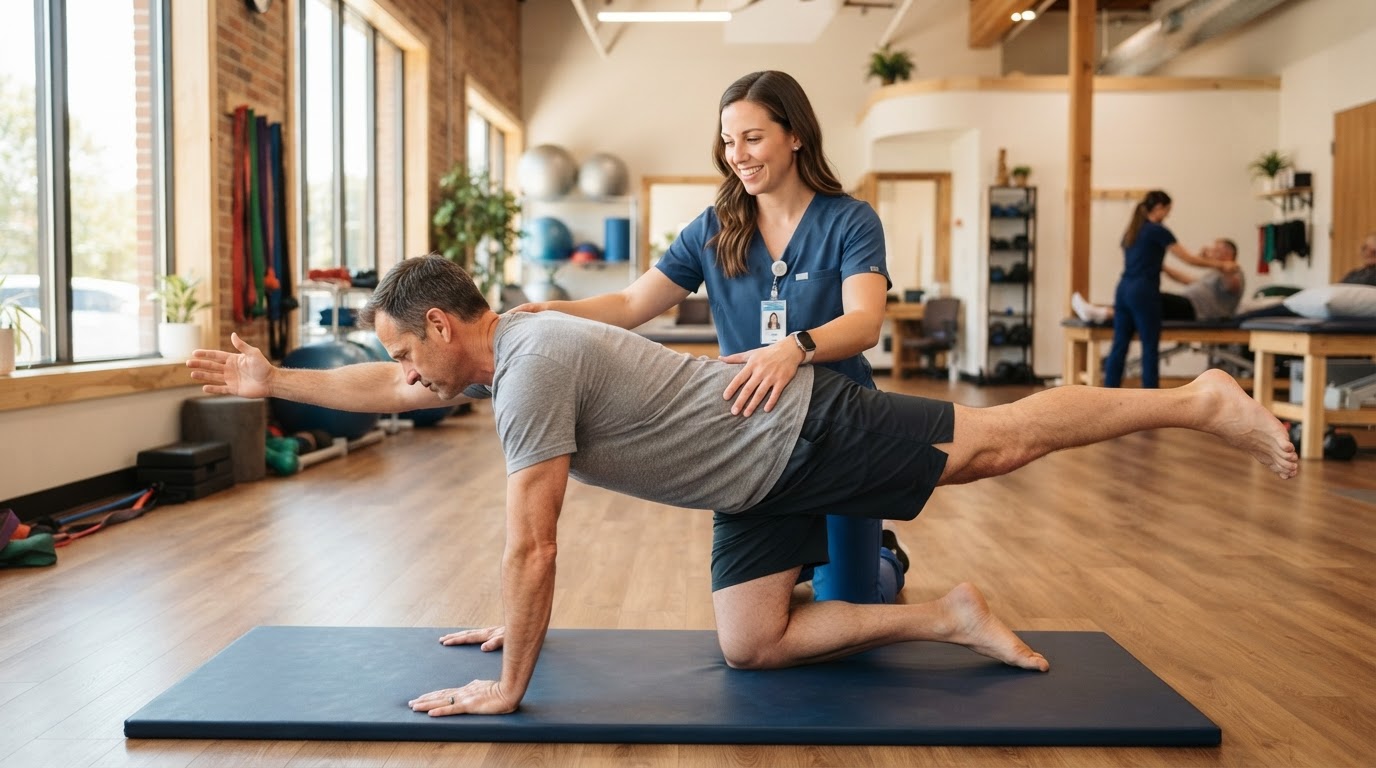
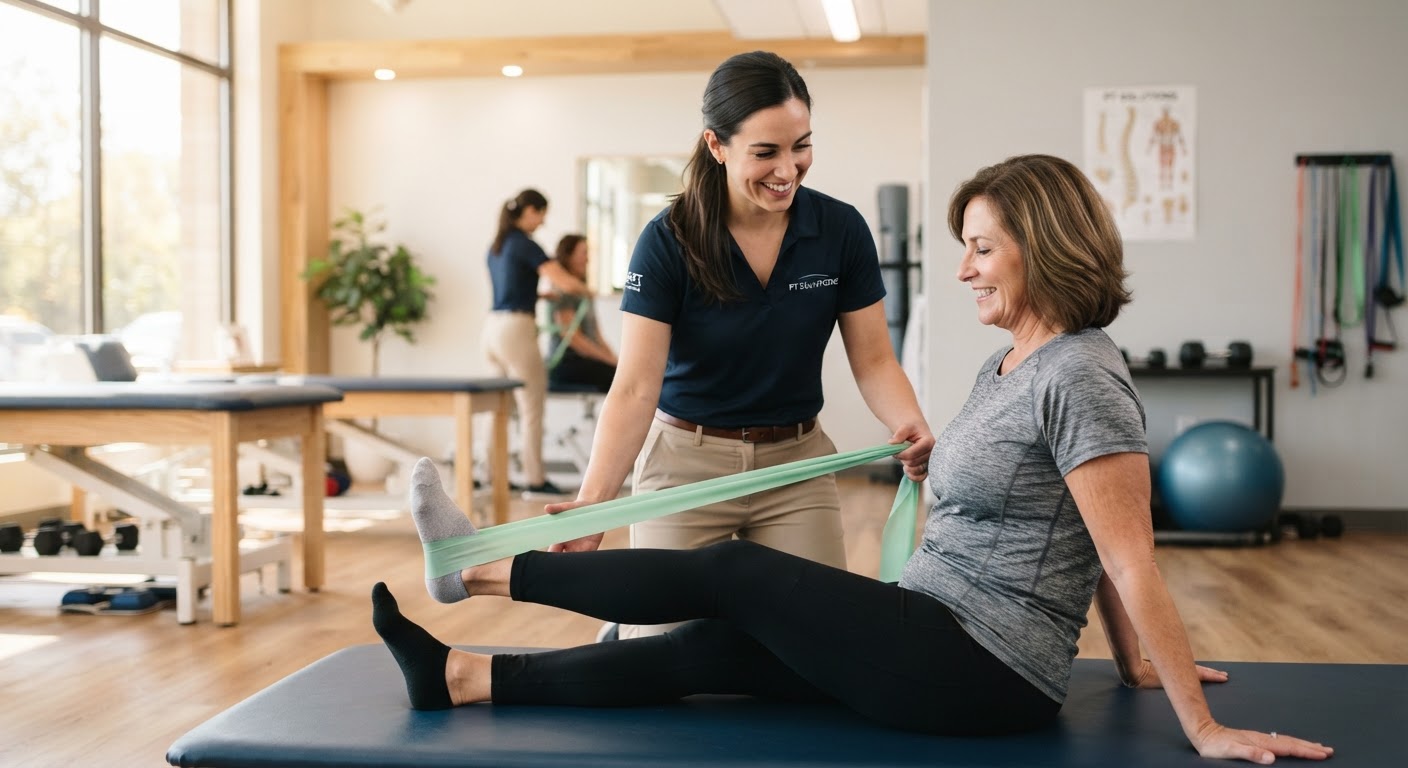
Your therapist may use guided exercises, hands-on techniques, movement training, and education to support better function. The plan is adjusted as you progress. The goal is not simply to work through pain; it is to help you move with greater confidence and participate in the activities that matter to you.
A physical therapist can also explain how to pace activity and modify movements while you recover. These skills can be useful whether discomfort began recently, is related to an injury, or has persisted over time. Results vary, and your treatment approach should reflect your individual condition and goals.
A Whole-Person Approach To Pain Relief
Pain is influenced by more than one factor. A past injury, reduced strength, limited flexibility, repetitive movements, stress, sleep, and changes in activity can all affect how your body feels. A physical therapy evaluation can help clarify which factors may be relevant for you and establish a safe starting point.
Treatment might include gentle range-of-motion work, strengthening, balance activities, or practice with tasks such as lifting and reaching. Hands-on care may be included when appropriate, alongside movement and self-management strategies. Your therapist can explain what each part of the plan is intended to do and adapt it if an activity increases your symptoms.
Physical therapy may be considered for many types of musculoskeletal concerns, including back and neck discomfort, joint pain, sports injuries, and recovery after surgery. It can also help people who feel stiff or less steady after a period of reduced activity. A clinician can help determine whether physical therapy is appropriate or whether you should first seek care from another health professional.
Practical Tips You Can Start Using
Small, consistent choices can make it easier to stay active while managing discomfort. These tips are general guidance, not a substitute for an individualized evaluation.
Start with a comfortable level of movement. Short walks or gentle mobility exercises may feel more manageable than a long or intense workout. Increase duration or effort gradually, and take breaks before fatigue changes your form.
Notice how your body responds. Some mild, temporary soreness can occur when you begin a new activity, but sharp, worsening, or unusual pain deserves attention. Keep track of what activities help or aggravate your symptoms and share that information with your therapist.
Vary positions during the day. If you spend long periods sitting or standing, change positions regularly and take brief movement breaks. There is no single perfect posture for everyone; comfort and variation are often more useful than trying to hold one rigid position.
Use safe movement strategies. When lifting, keep the item close to your body and avoid rushing. If a task is difficult, reduce the load, change your setup, or ask for help rather than forcing the movement.
Follow your home program as instructed. Your therapist can show you how to perform exercises, how often to do them, and what sensations are expected. Contact the clinic if you are unsure about technique or an exercise consistently makes symptoms worse.
What To Expect From Rehabilitation
Your first appointment typically includes a conversation about your symptoms, health history, daily activities, and goals. Your therapist may assess movement, strength, balance, and mobility, using tests that are appropriate for your situation. You can ask questions, share concerns, and explain which activities you hope to return to.
Together, you and your therapist can develop a plan that fits your needs. Progress may involve increasing exercise gradually, practicing everyday movements, or learning ways to manage flare-ups. Your plan can change as your abilities and priorities change. Consistent communication helps your therapist understand what is working and where you need additional support.
Physical therapy is not a replacement for medical evaluation when urgent symptoms are present. Seek prompt medical care for severe or rapidly worsening pain, a major injury, new weakness or numbness, or other symptoms that concern you. Your physical therapist can also coordinate with your healthcare team when additional evaluation may be helpful.
Take A Proactive Step Toward Better Movement
Living with pain can be frustrating, but you do not have to figure out every next step alone. Physical therapy offers a guided way to work on mobility, strength, and confidence while learning strategies for daily life. The team at Physical Therapy NOW™ in Davie, FL can discuss your concerns and help you understand whether rehabilitation may fit your goals.
Ready to explore your options for pain relief? Visit or call the Davie location to ask about scheduling an evaluation and taking a practical next step toward moving more comfortably.
Ready to start feeling better?
Physical Therapy NOW™ has 40+ Florida locations with same-week appointments. Most insurance, auto accident (PIP), workers' compensation and Medicare accepted.