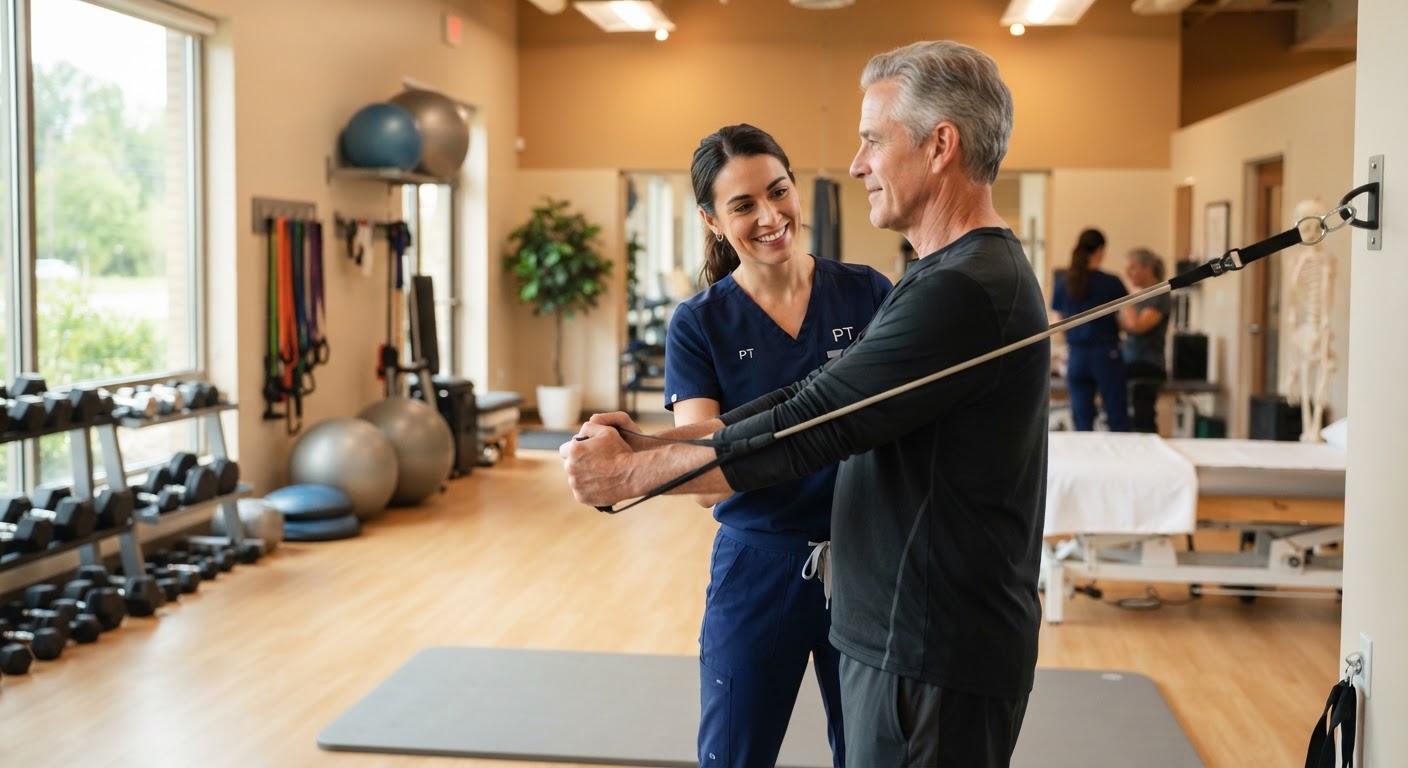
The Role of Physical Therapy in Pain Management
Pain can make everyday activities feel difficult, from getting out of bed to walking the dog or working comfortably. Physical therapy offers a practical, movement-focused approach to managing many types of pain. Rather than looking only at where it hurts, a physical therapist considers how your body moves, what may be contributing to your symptoms, and which strategies can help you function more comfortably.
At Physical Therapy NOW™ in Cape Coral, FL, care is tailored to your symptoms, goals, and daily routine. Whether pain followed an injury, developed gradually, or continues after surgery, physical therapy may be one part of a broader plan to improve movement and support lasting pain relief.
How Physical Therapy Supports Pain Relief
Pain is a complex experience. It can be influenced by an injury or health condition, as well as movement habits, muscle strength, flexibility, sleep, stress, and other factors. A physical therapist evaluates your movement and asks about your symptoms and goals to help identify appropriate next steps. The purpose is not simply to push through pain, but to find safe and manageable ways to move and build capacity.
Your plan may include therapeutic exercises, mobility work, balance training, hands-on techniques, and education. These approaches can help address stiffness, weakness, or movement patterns that may be limiting your activity. Your therapist can adjust the plan as your tolerance and abilities change.
Physical therapy is not a one-size-fits-all treatment, and results vary. Some people notice progress as they build consistency; others need a more gradual approach or coordination with their medical provider. Your therapist can explain the goals of each treatment and help you understand how it fits into your rehabilitation.
A Personalized Plan Starts With An Evaluation
An initial evaluation typically includes a conversation about your health history, pain, daily activities, and goals. Your therapist may also assess strength, flexibility, balance, posture, and how you perform relevant movements. Share what makes symptoms better or worse, when they began, and how they affect your life. This information helps guide a plan that is appropriate for you.
Be open about your concerns, including fear of movement or activities you have stopped doing. These details matter. A useful goal might be climbing stairs with greater confidence, returning to gardening, or completing a work shift with fewer interruptions. Specific goals make it easier to track meaningful changes beyond pain levels alone.
What Treatment May Include
Therapeutic exercise can help improve strength, mobility, coordination, and endurance. Your therapist will select exercises based on your condition and abilities, then show you how to perform them with appropriate form. The right starting point may be gentle movement rather than an intense workout.
Manual therapy, such as guided joint or soft-tissue techniques, may be used when appropriate to support movement and comfort. Education is also an important part of care. You may learn how to pace activities, modify a task temporarily, use a more comfortable body position, or gradually return to movements you have been avoiding.
A home program helps carry the plan into daily life. It should be manageable and clear. Ask your therapist to demonstrate each exercise, explain how often to do it, and tell you what sensations are expected. If an activity causes a concerning or lasting increase in symptoms, pause and contact your therapist for guidance rather than trying to force progress.
Practical Tips For Managing Pain Between Visits
Keep moving within your current tolerance. Long periods of inactivity can make some people feel stiffer, while sudden increases in activity may aggravate symptoms. Try breaking tasks into shorter sessions and alternating more demanding activities with lighter ones.
Follow your prescribed home program consistently, but do not add exercises or increase difficulty without discussing it with your therapist. Use comfortable breathing and controlled movements, and stop if you experience a new, sharp, or unusual symptom.
Notice patterns without judging yourself. A simple log of activities, symptoms, and sleep may help you and your therapist identify what affects your comfort. Small changes, such as adjusting a workstation or taking brief movement breaks, may also make daily tasks easier.
Finally, communicate. Tell your therapist if an exercise feels confusing, symptoms change, or a goal no longer reflects what matters to you. Your plan can be adapted as you progress.
When To Seek Professional Guidance
Consider speaking with a healthcare professional if pain is interfering with sleep, work, exercise, or routine activities, or if it is not improving as expected. A physical therapist can determine whether physical therapy is appropriate and may recommend that you consult another provider when needed. Rehabilitation may also be coordinated with your physician or other members of your care team.
Seek urgent medical attention for severe or rapidly worsening symptoms, significant injury, or symptoms such as new weakness, loss of sensation, or changes in bladder or bowel control. A therapist can provide guidance, but urgent warning signs need prompt medical evaluation.
Move Toward A More Active Life
Pain management is often a process of finding the right combination of guidance, movement, and practical strategies. Physical therapy can help you better understand your body, work toward meaningful activity goals, and build a personalized approach to rehabilitation. Progress may be gradual, and your plan should be adjusted to your needs.
If pain is limiting your day, contact Physical Therapy NOW™ at the Cape Coral location to ask about an evaluation and discuss your goals. Call or visit the Cape Coral clinic to take a practical first step toward improved movement and pain relief.
Ready to start feeling better?
Physical Therapy NOW™ has 40+ Florida locations with same-week appointments. Most insurance, auto accident (PIP), workers' compensation and Medicare accepted.