The Role of Physical Therapy in Pain Management
Pain can make everyday activities feel difficult, from walking and working to sleeping comfortably. Whether discomfort began after an injury, developed gradually, or continues after surgery, it can affect movement, confidence, and quality of life. Physical therapy offers a practical, personalized approach to pain management by addressing how your body moves and helping you work toward meaningful functional goals.
At Physical Therapy NOW™ in Miami, FL, the Allapattah location, care begins with understanding your symptoms, health history, and daily demands. A physical therapist can help identify factors that may be contributing to discomfort and create a plan that fits your needs. Physical therapy does not promise an instant cure, but guided rehabilitation can support safer movement, improved strength, and greater independence over time.
How Physical Therapy Supports Pain Relief
Pain can have many contributing factors. Reduced strength, limited flexibility, changes in posture, repetitive activities, or difficulty coordinating movement may place extra demands on certain areas of the body. A physical therapist evaluates your movement and considers these factors alongside your symptoms and goals.
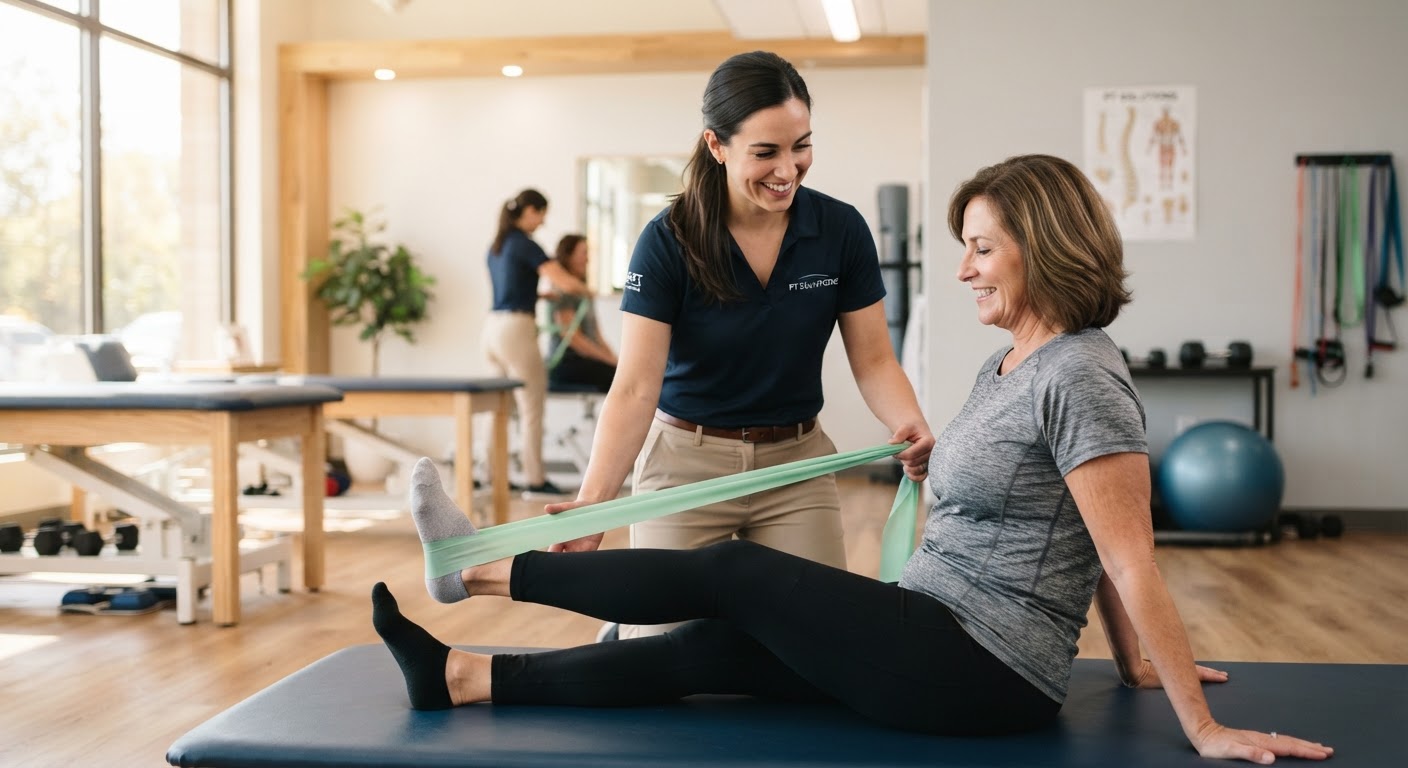
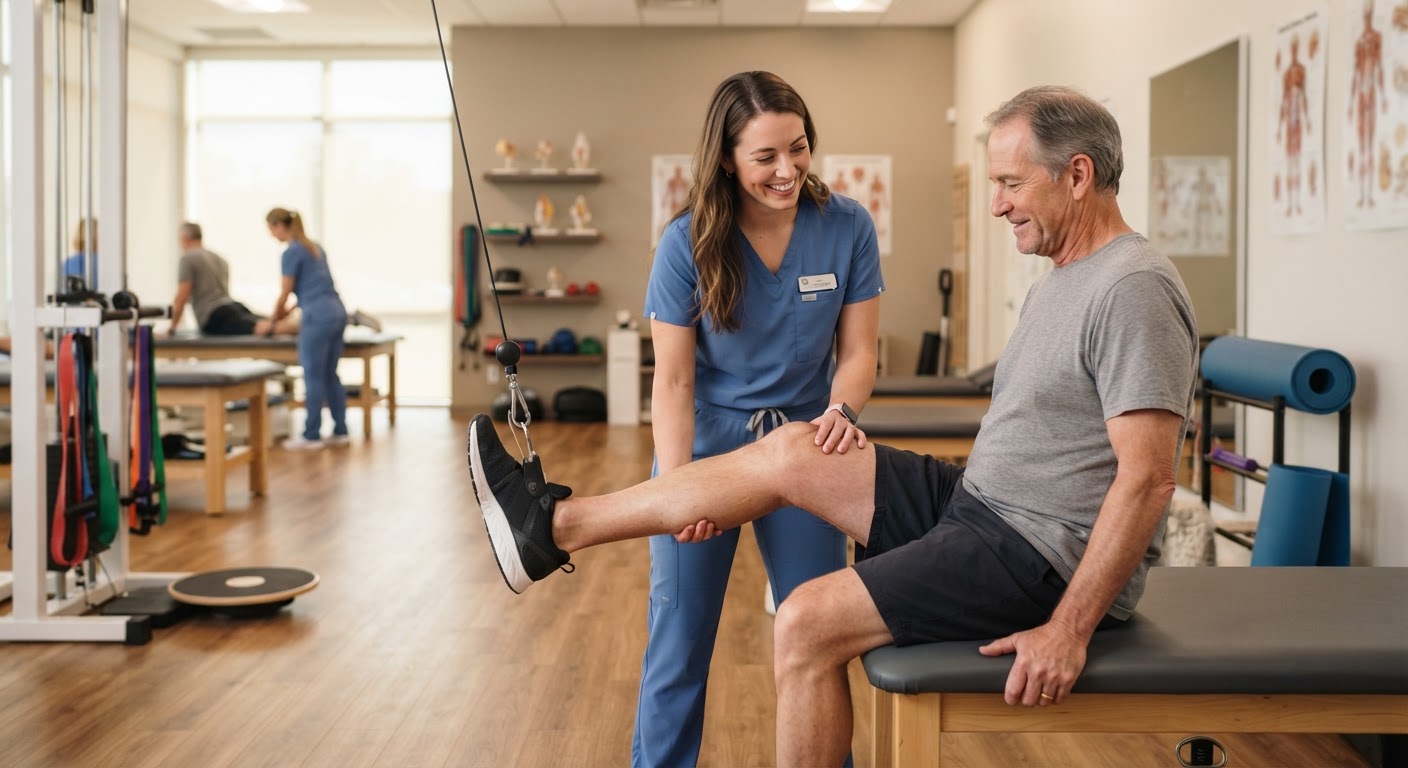
Treatment may include therapeutic exercise, mobility work, balance training, hands-on techniques, and education about pacing or body mechanics. The right combination depends on your condition and response to care. Rather than focusing only on the painful area, physical therapy often looks at how the whole body works together during activities such as lifting, reaching, standing, or walking.
As movement becomes more comfortable and capacity improves, routine tasks may feel more manageable. Your therapist can adjust exercises as you progress, helping you build skills at a pace that is appropriate for you. If an activity increases symptoms significantly or causes a concerning change, tell your therapist so your plan can be reviewed.
A Personalized Approach To Rehabilitation
Effective rehabilitation starts with a thorough conversation and assessment. Your therapist may ask when the pain began, what makes it better or worse, and how it affects work, recreation, sleep, or home responsibilities. They may also assess strength, range of motion, balance, and movement patterns when appropriate.
Together, you can set realistic goals. These might include returning to a favorite activity, climbing stairs with more confidence, improving tolerance for a work shift, or completing household tasks with less difficulty. Goals help keep treatment relevant to your life and make progress easier to recognize.
Your plan may change as you improve or as your needs become clearer. Some people benefit from supervised sessions combined with a home exercise program. Others may need more focused support for a particular injury or recovery stage. Consistency matters, but exercises should be performed as instructed. More is not always better; gradual progression can help you build tolerance without unnecessarily aggravating symptoms.
Practical Steps You Can Take
You can support your rehabilitation between appointments with small, steady habits. First, follow the exercise instructions provided by your therapist, including guidance about repetitions, rest, and modifications. Contact the clinic if you are unsure how to perform an exercise or whether a symptom is expected.
Pace demanding activities. Break larger tasks into manageable sections, alternate heavier and lighter activities, and take brief movement breaks if you spend long periods sitting or standing. Notice how your body responds rather than pushing through a sharp or worsening pain.
Keep a simple record of symptoms and activity. Note what you were doing, how long you did it, and how you felt afterward. This information may help your therapist identify patterns and make useful adjustments. Try to maintain comfortable, regular movement within your current abilities, and avoid making major changes to activity without guidance if you have a significant injury or medical condition.
Sleep, stress, and general health can also influence how manageable pain feels. A consistent sleep routine, relaxation strategies, and balanced daily activity may complement your treatment plan. These habits do not replace an evaluation, but they can be part of a broader approach to well-being.
When To Seek Professional Guidance
Consider speaking with a physical therapist when pain limits your daily activities, movement feels less secure, or symptoms continue to interfere with your goals. A physical therapist can help determine whether rehabilitation is appropriate and coordinate with other healthcare professionals when needed. If pain is severe, follows a serious injury, or comes with symptoms such as new weakness, numbness, fever, or other sudden changes, seek prompt medical advice.
A careful assessment is especially helpful when you are unsure which activities are safe. Avoid relying on a one-size-fits-all exercise routine found online; the right movements depend on your condition, health history, and current abilities.
Moving Forward With Support
Pain management is often a process rather than a single appointment or technique. With a tailored plan, ongoing communication, and practical strategies, physical therapy can help you work toward better movement and function. Progress may be gradual, and the plan can be adapted along the way to reflect what matters most to you.
Physical Therapy NOW™ welcomes people seeking rehabilitation and pain relief at its Allapattah location in Miami, FL. If pain is getting in the way of your routine, visit or call the Allapattah clinic to ask about an evaluation and discuss your goals. A conversation with a physical therapist can help you understand your options and take a thoughtful next step toward moving with greater confidence.
Ready to start feeling better?
Physical Therapy NOW™ has 40+ Florida locations with same-week appointments. Most insurance, auto accident (PIP), workers' compensation and Medicare accepted.