A car accident can leave you feeling shaken, sore, or unsure about what to do next. Even when injuries seem minor, symptoms such as neck stiffness, back pain, headaches, or limited movement may develop hours or days later. Physical therapy can help you address these concerns, restore function, and make a safe return to your usual activities.
At Physical Therapy NOW™ in Miami, FL, the Country Walk location can help you understand your options and take practical steps toward recovery. Here is how rehabilitation may support you after an accident and what to expect when starting care.
Why Consider Physical Therapy After an Accident?
The forces involved in a collision can strain muscles, ligaments, and joints. Whiplash-associated neck pain, shoulder discomfort, lower back pain, and reduced flexibility are among the issues that may affect daily tasks. A physical therapist can assess how your body moves, discuss your symptoms and goals, and recommend care suited to your needs.
Starting an appropriate plan can help you address movement limitations before they interfere further with work, sleep, exercise, or household activities. Physical therapy is not a one-size-fits-all solution, and your plan should reflect your health history, current symptoms, and clinical findings.
Potential Benefits of Rehabilitation
Pain Relief and Symptom Management
Your therapist may use guided movement, hands-on techniques, and other appropriate strategies to help manage pain and stiffness. They can also teach you ways to adjust everyday activities while you recover. The goal is to make movement more comfortable and build your ability to handle daily tasks, rather than simply masking symptoms.
Improved Mobility and Strength
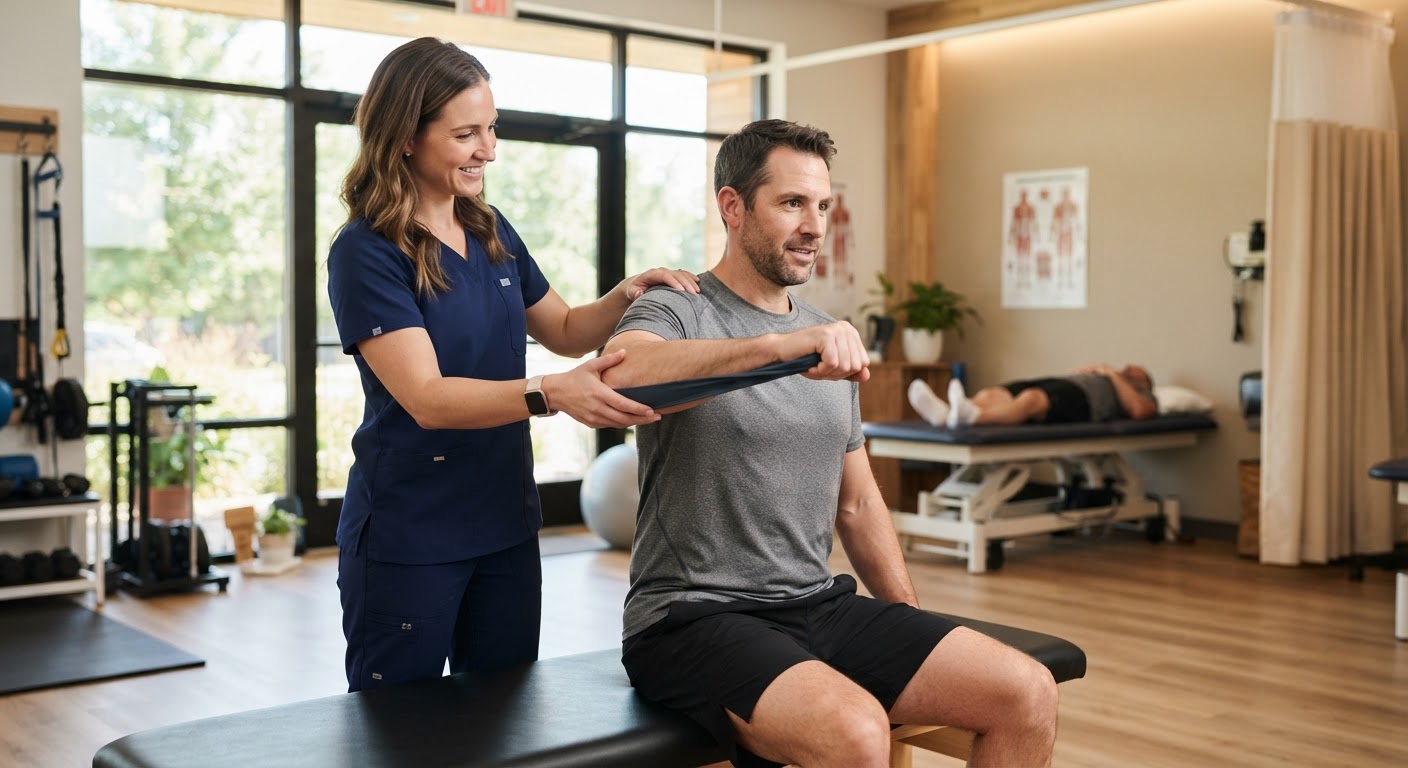
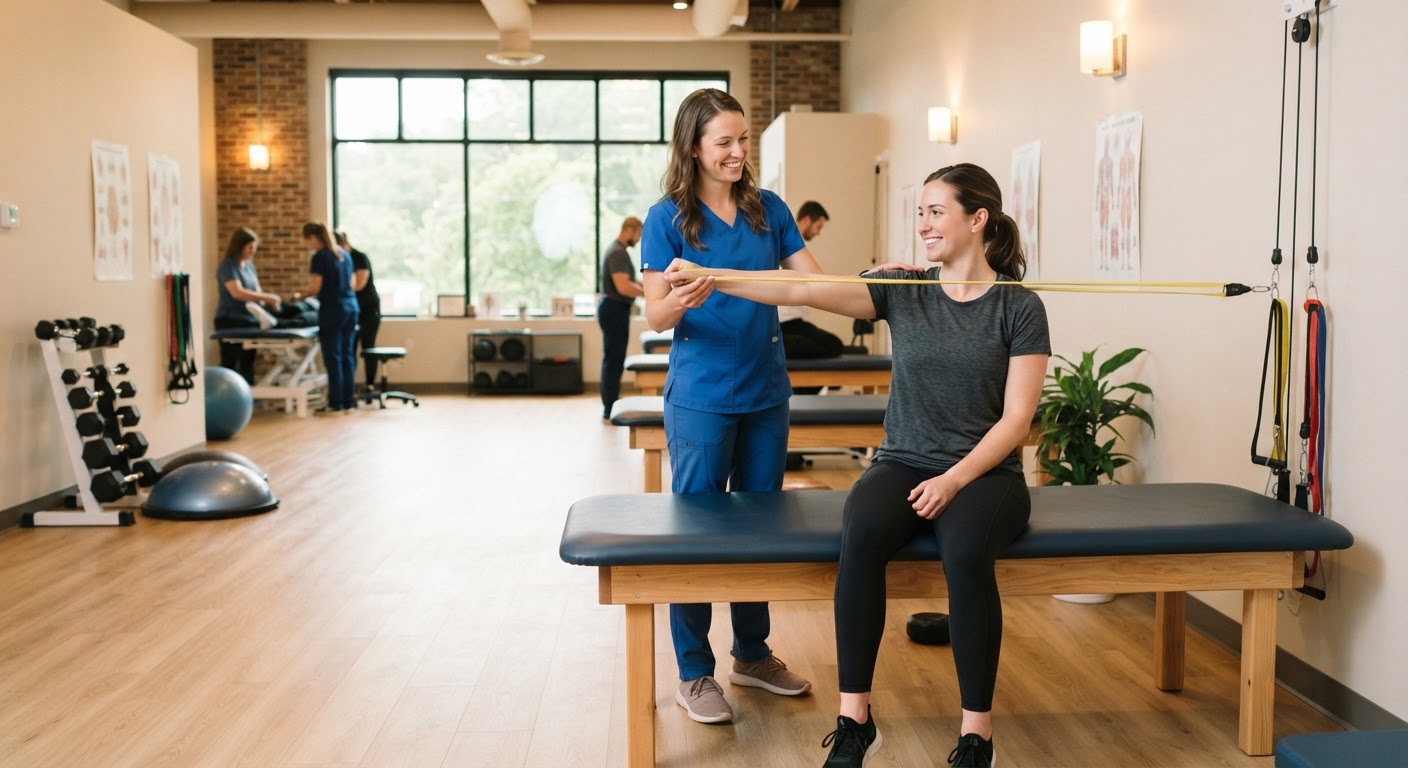
After an accident, guarding an uncomfortable area or avoiding movement may contribute to stiffness and weakness. A gradual program may include range-of-motion exercises, stretching, and strengthening. Your therapist will help determine which movements are appropriate and how to progress them safely.
Better Function in Daily Life
Recovery is about more than reducing discomfort. Physical therapy can help you work toward specific activities, such as turning your head while driving, lifting groceries, sitting through a workday, or returning to recreational exercise. Your therapist can tailor practice to the movements that matter most to you.
Guidance and Confidence
It can be difficult to know which activities are safe after a collision. A physical therapist can explain your plan, help you monitor your response to exercise, and adjust care as needed. This support may make it easier to participate in recovery with a clear, manageable routine.
What to Expect at Your First Visit
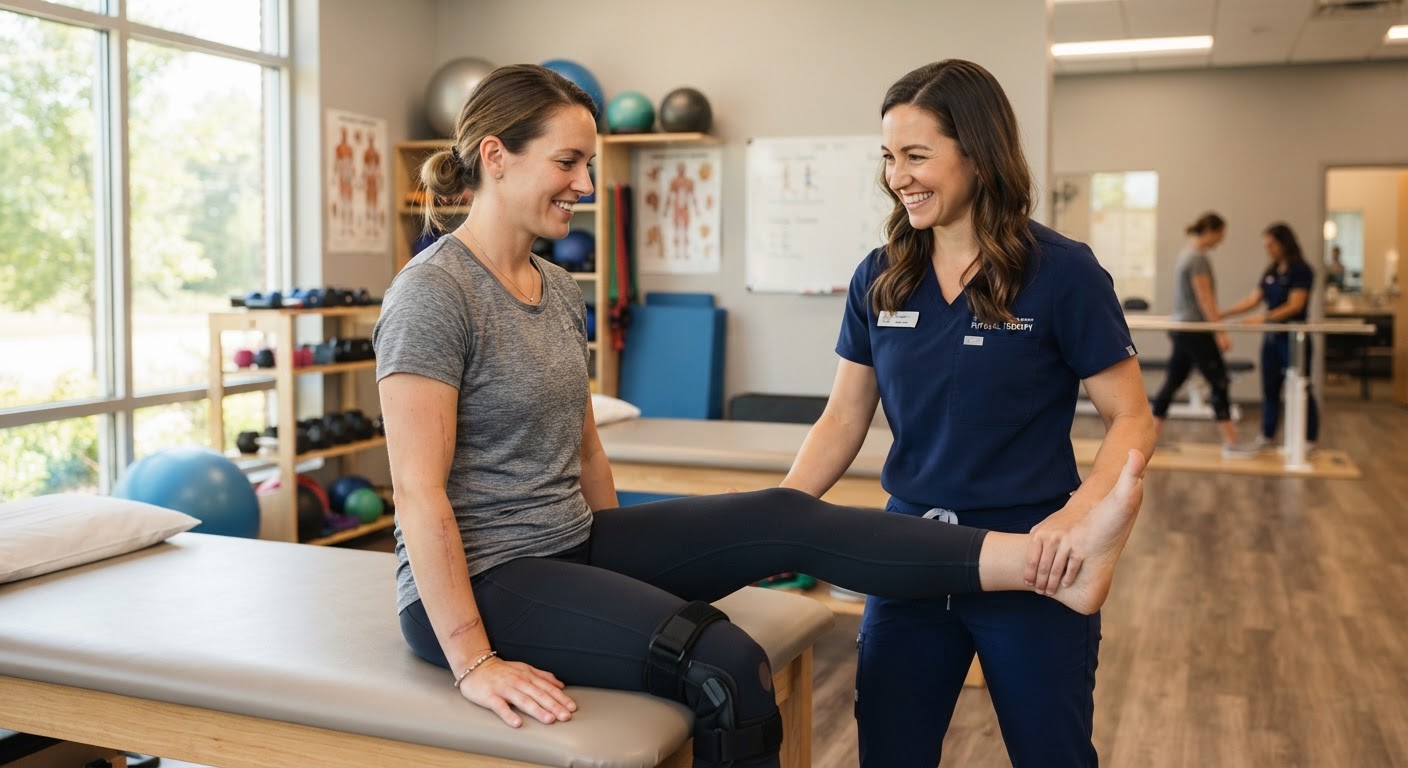
Your first appointment generally begins with a conversation about the accident, your symptoms, medical history, and everyday goals. Your therapist may assess posture, mobility, strength, balance, and how certain movements affect your symptoms. Share what feels comfortable, what causes pain, and any changes you have noticed since the collision.
Based on the assessment, your therapist can discuss a rehabilitation plan. Depending on your needs, it may include supervised exercises, manual therapy, movement education, and a home program. Progress is reviewed over time, and exercises can be adjusted to match your response. Ask questions if an activity feels unclear or if your symptoms change.
Practical Steps to Support Your Recovery
Follow medical guidance. If you have been evaluated by a physician or other healthcare professional, follow their recommendations and share relevant information with your physical therapist.
Keep track of symptoms. Note when discomfort started, where you feel it, what activities affect it, and whether it is changing. This information can help your care team understand your experience.
Move within your comfort and care plan. Avoid pushing through sharp, worsening, or unusual pain. Follow the activities and exercise instructions provided by your healthcare team, and ask before adding strenuous activity.
Make your home program manageable. Set aside a consistent time for prescribed exercises and follow the instructions you were given. If you are unsure about technique, ask your therapist to review it with you.
Give recovery time. Progress may vary from person to person. Communicate openly with your therapist so your plan can be adapted to your symptoms, goals, and day-to-day demands.
When to Seek Medical Attention
Physical therapy is one part of care and does not replace medical evaluation. Seek prompt medical attention after an accident if you have severe or worsening symptoms, trouble breathing, loss of consciousness, new weakness or numbness, or other concerning changes. If you are unsure where to start, contact a healthcare professional for guidance. Be sure to tell your therapist about new symptoms or any change in your condition.
Personalized Care in Country Walk
Choosing a nearby clinic can make it easier to attend appointments and stay connected with your care team. Physical Therapy NOW™ offers physical therapy for people working through accident-related pain and mobility concerns. At the Country Walk location in Miami, FL, the team can learn about your goals, answer questions, and discuss whether an individualized rehabilitation plan may be appropriate for you.
If you are dealing with pain, stiffness, or difficulty returning to routine activities after a car accident, you do not have to figure out the next step alone. Contact or visit the Physical Therapy NOW™ Country Walk location in Miami, FL to ask about an evaluation and begin a conversation about care. Call the clinic to schedule a visit and take a practical first step toward improved movement and pain relief.
Ready to start feeling better?
Physical Therapy NOW™ has 40+ Florida locations with same-week appointments. Most insurance, auto accident (PIP), workers' compensation and Medicare accepted.